1 hr 30 min
Bardolino Vineyard Tour with Wine & Olive Oil Tasting
- Entry ticket
- Mobile voucher
- Valid same day
- Free cancellation
Bardolino Wine Tasting Tour — Vineyard Walks & Reserved Tastings
Chiaretto rosé, Amarone estates, olive groves above the lake.
Compare fares, pick the fit — all bookings are mobile-voucher and eligible for free cancellation where shown.
1 hr 30 min
1 hr 30 min
2 hr
Selecting the right ticket for your bardolino wine tasting tour depends on whether you prefer a self-guided exploration of the museum or an immersive, reserved guided experience. Each bardolino wine tasting tour tour offers a unique window into the local viticultural heritage of Lake Garda.
| Self-Guided Museum Entry Museum Access Only |
Top pick Guided Winery & Cellar Tour Reserved Guided Experience |
|
|---|---|---|
| Entrance Fee | 0 EUR | Varies by selection |
| Access Areas | Museum and Wine Shop | Museum, Vineyard, and Barrique Cellar |
| Booking Required | Not needed for individuals | Highly recommended |
| Duration | 1–2 hours | 2–2.5 hours |
| Best for | Budget-conscious visitors | In-depth wine education |
| See tickets & prices |
Verdict: For the most complete experience, book the guided cellar excursion, or opt for free museum bardolino wine tasting tour tickets if you prefer a flexible, independent visit.
Worth it for wine enthusiasts and first-timers
A bardolino wine tasting tour delivers solid value if you choose right. The museum itself costs nothing for small groups, covering centuries of local viticulture through historic presses and aging cellars—but the real payoff comes from booking a structured vineyard experience. Tours pair estate walks through Corvina and Rondinella vines with guided tastings of Bardolino Classico and Chiaretto rosé, often throwing in local olive oil or cheese. Prices run €25–45 depending on the number of wines and add-ons. For casual visitors, the free museum plus a self-guided stroll through Bardolino's lakefront cantinas works fine. For anyone serious about understanding Lake Garda's wine country or comparing DOC appellations, the structured tours justify the cost—you get direct access to winemakers, barrel rooms, and vertical tastings you'd never arrange solo.
Bottom line: Book a mid-tier bardolino wine tasting tour if you want structured access to DOC estates; skip it if you're happy sampling wines at lakeside enotecas instead.
They complement each other; most visitors who do both call the private estate tour the more thrilling way to experience the local terroir.
|
Top pick Wine Museum (Zeni) |
Private Winery Tour | |
|---|---|---|
| Focus | History and traditional tools | Vineyard walk and production cellars |
| Experience type | Self-guided exploration | Guided sommelier-led walk-through |
| Duration | 1–1.5 hours | 1.5–3 hours |
| Booking required | Not required for individuals | Usually required in advance |
| Price | 0 EUR (Free entry) | 20–50 EUR per person |
| Suitability | Casual history and wine interest | Serious wine enthusiasts and foodies |
| See tickets & prices |
Verdict: Choose the museum for a flexible, free cultural overview, or book a private bardolino wine tasting tour for an immersive look at the active winemaking process.
Hand-picked experiences loved by thousands of travelers
1.5 hours
Free Cancellation
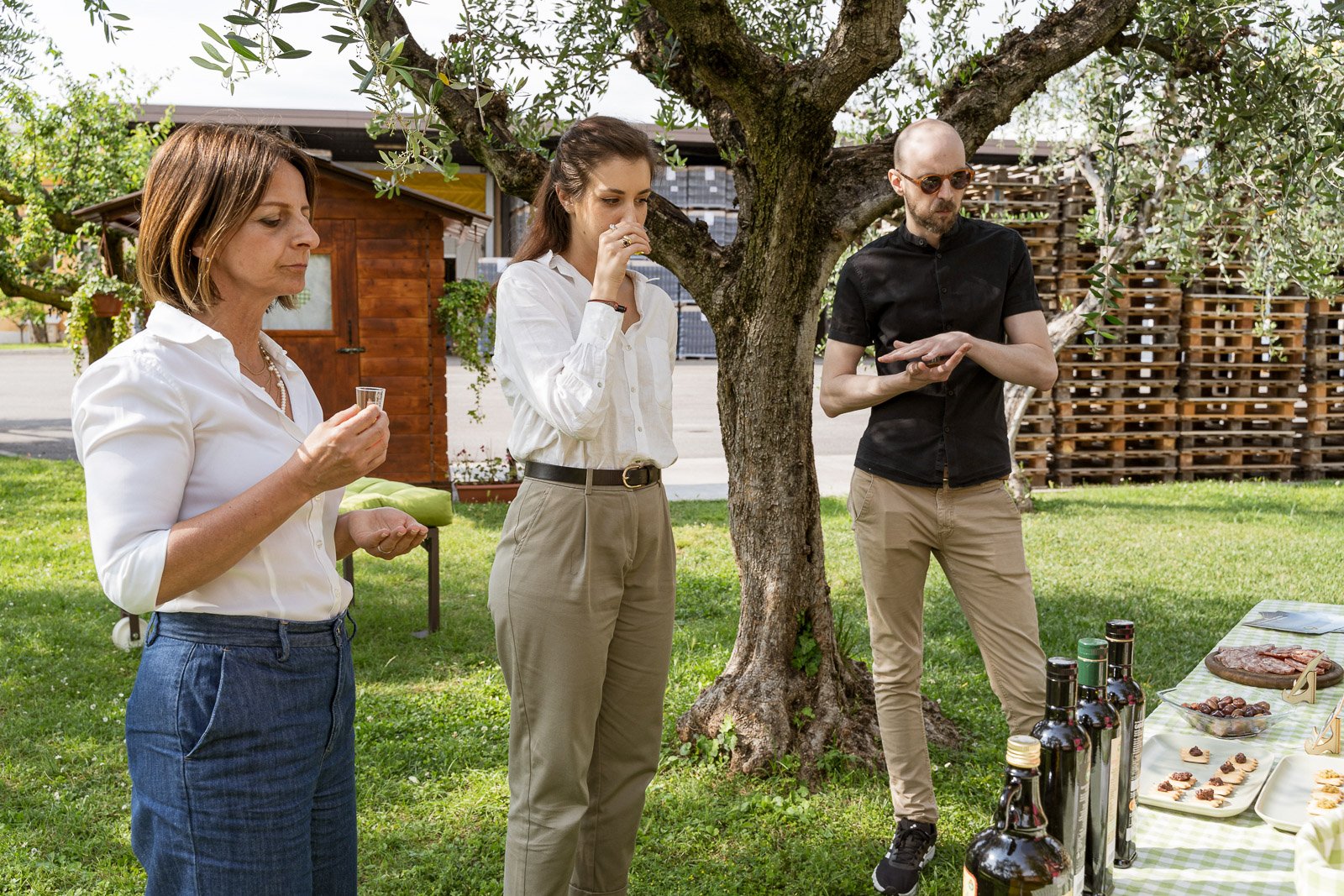
Discover centuries of olive tradition along Lake Garda's shores with a mill visit and tasting of four premium oils.
2 hours
Free Cancellation
Explore historic vineyards above Lake Garda, tour the barrel cellar, and taste five estate wines paired with local charcuterie
1 hour
Free Cancellation
One-hour tasting session at a lakeside winery featuring regional varietals, charcuterie, and panoramic views
3.5 hours
Free Cancellation
Master traditional Italian pasta techniques while surrounded by Veneto vineyards and Lake Garda views
4 hours
Free Cancellation
Speedboat tour past medieval fortresses, sommelier-led wine experience, and emerald lake swimming
4.5 hours
Free Cancellation
Discover two family wineries in the Valpolicella hills with six wine tastings and local food pairings
2 hours
Free Cancellation
Tour a family-run estate, then sample six regional reds from Bardolino to Amarone with local charcuterie
2 hours
Free Cancellation
Explore historic vineyards, tour traditional cellars, and taste four estate wines in Bardolino's classic DOC region
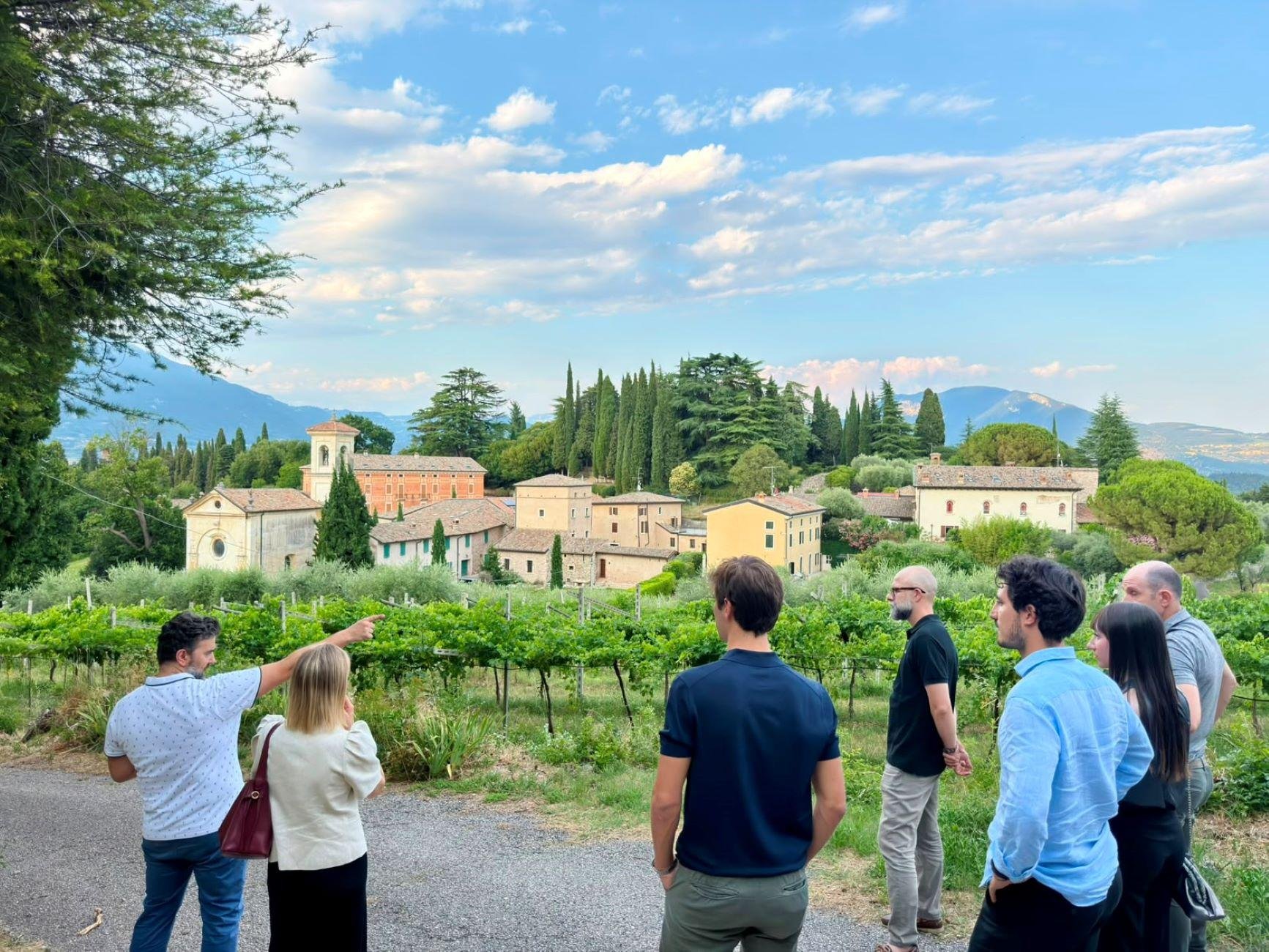
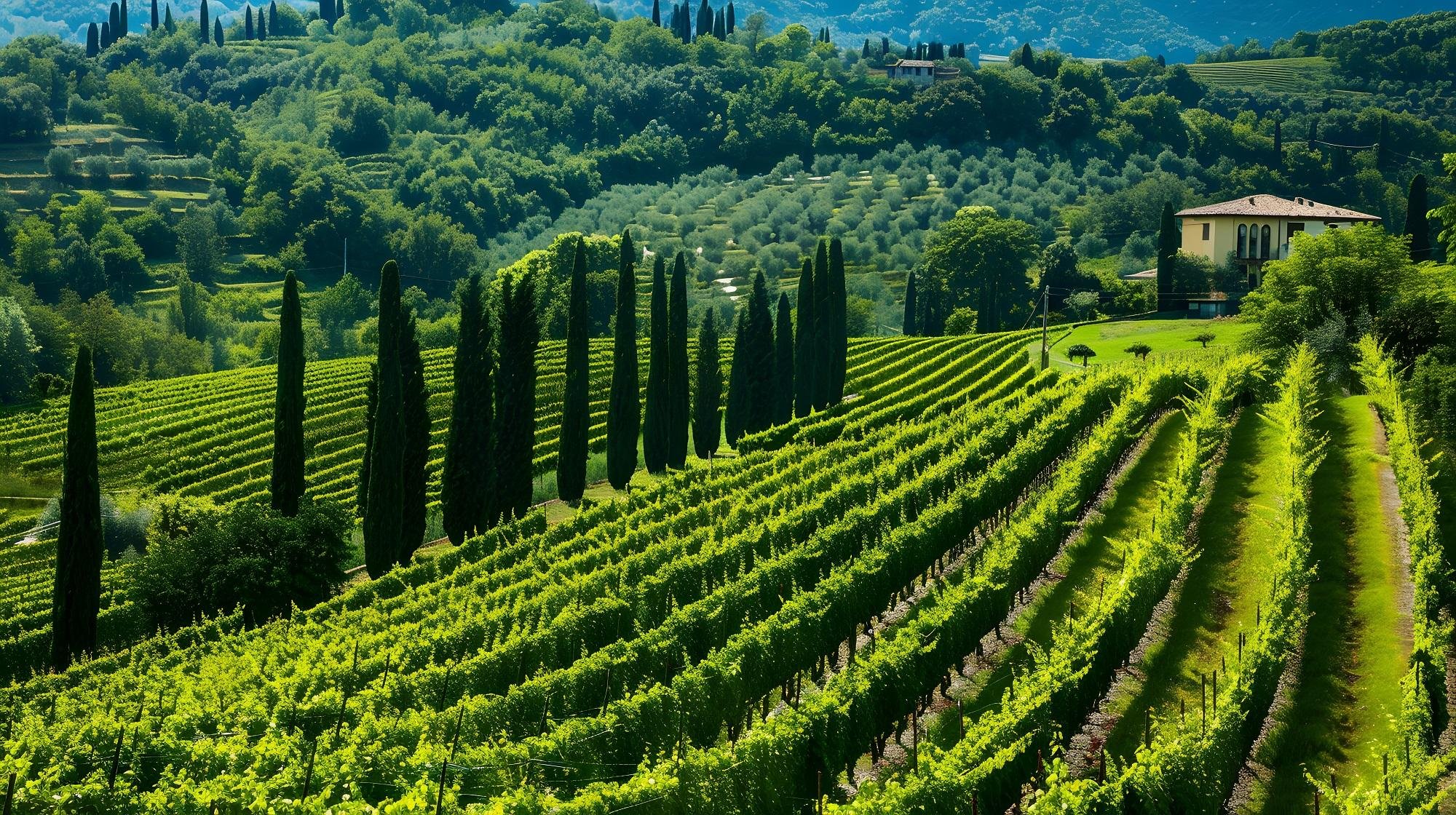
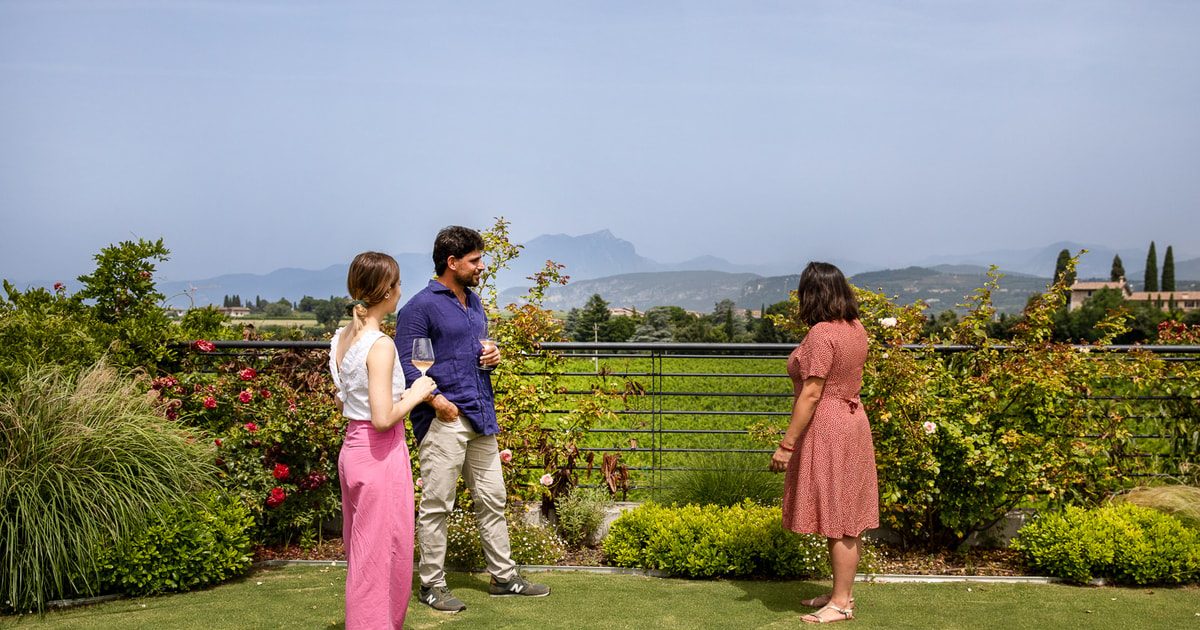
You arrive at the estate mid-morning, when the tasting room opens and the vineyard rows are still cool. Your guide walks you through terraced plots where Corvina vines climb wooden pergolas, explaining the hand-pruning calendar and the September harvest window.
You pause at a lookout above the cellars—Lake Garda fills the western view, Monte Baldo rising beyond the opposite shore.
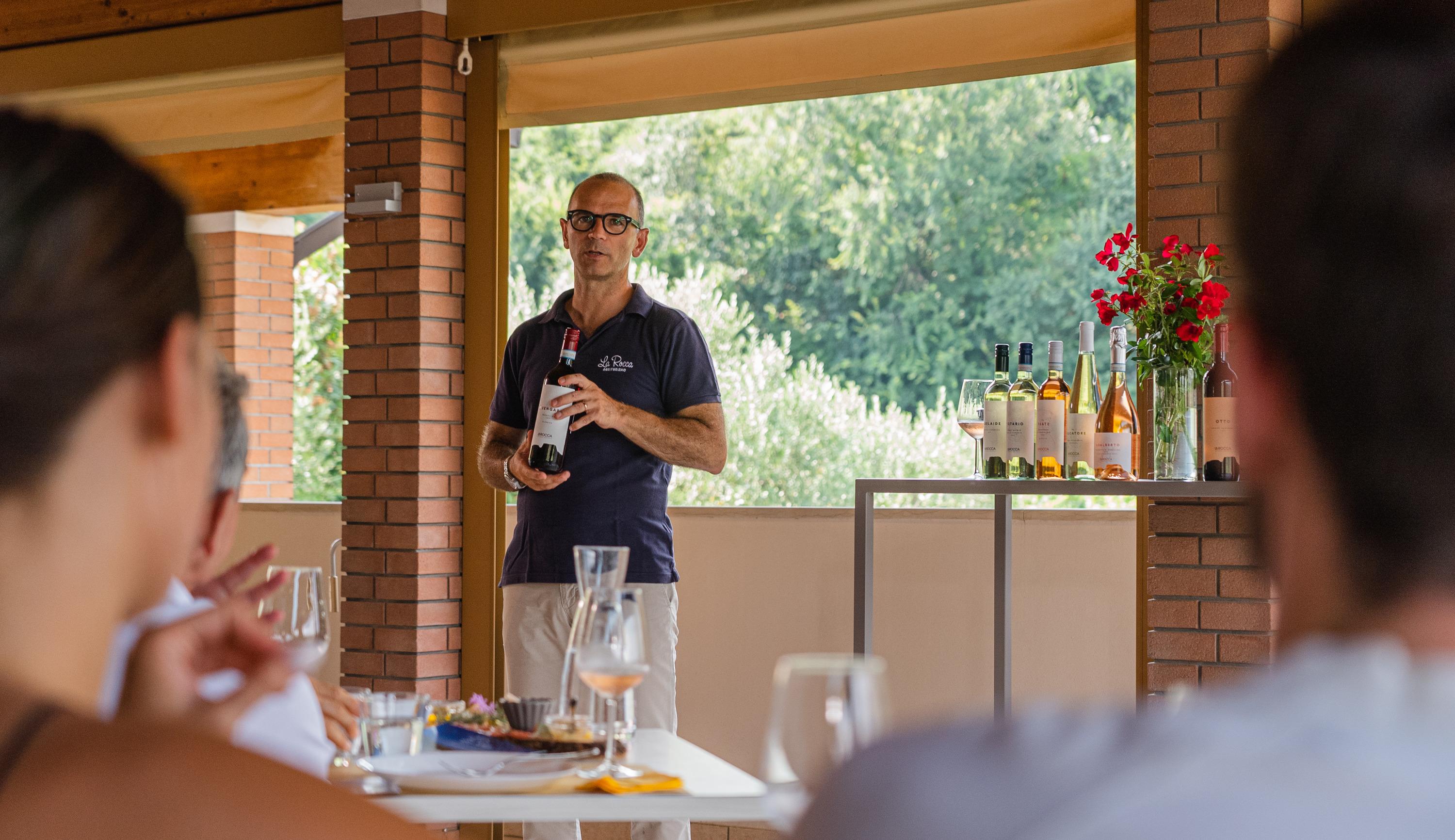
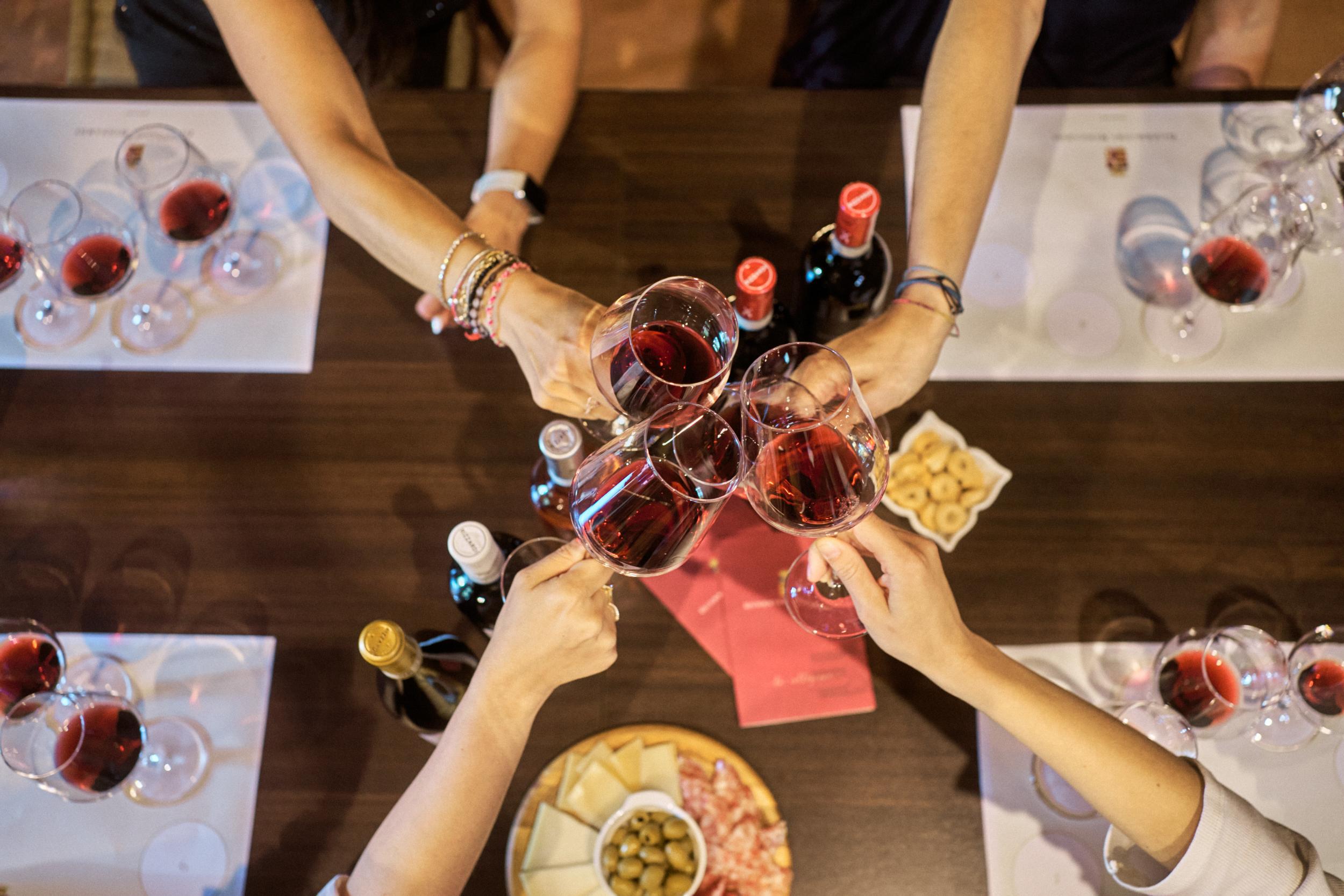
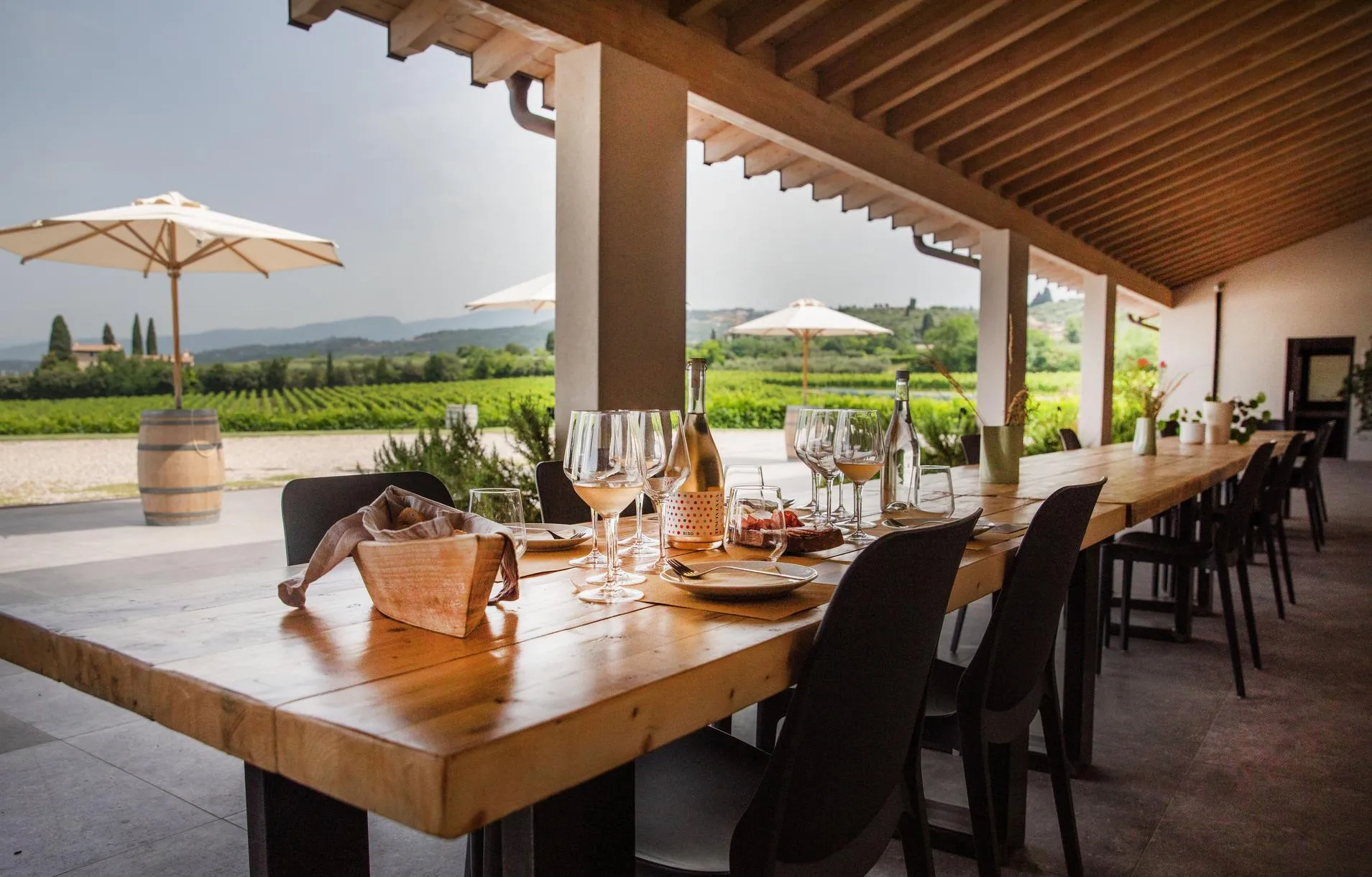
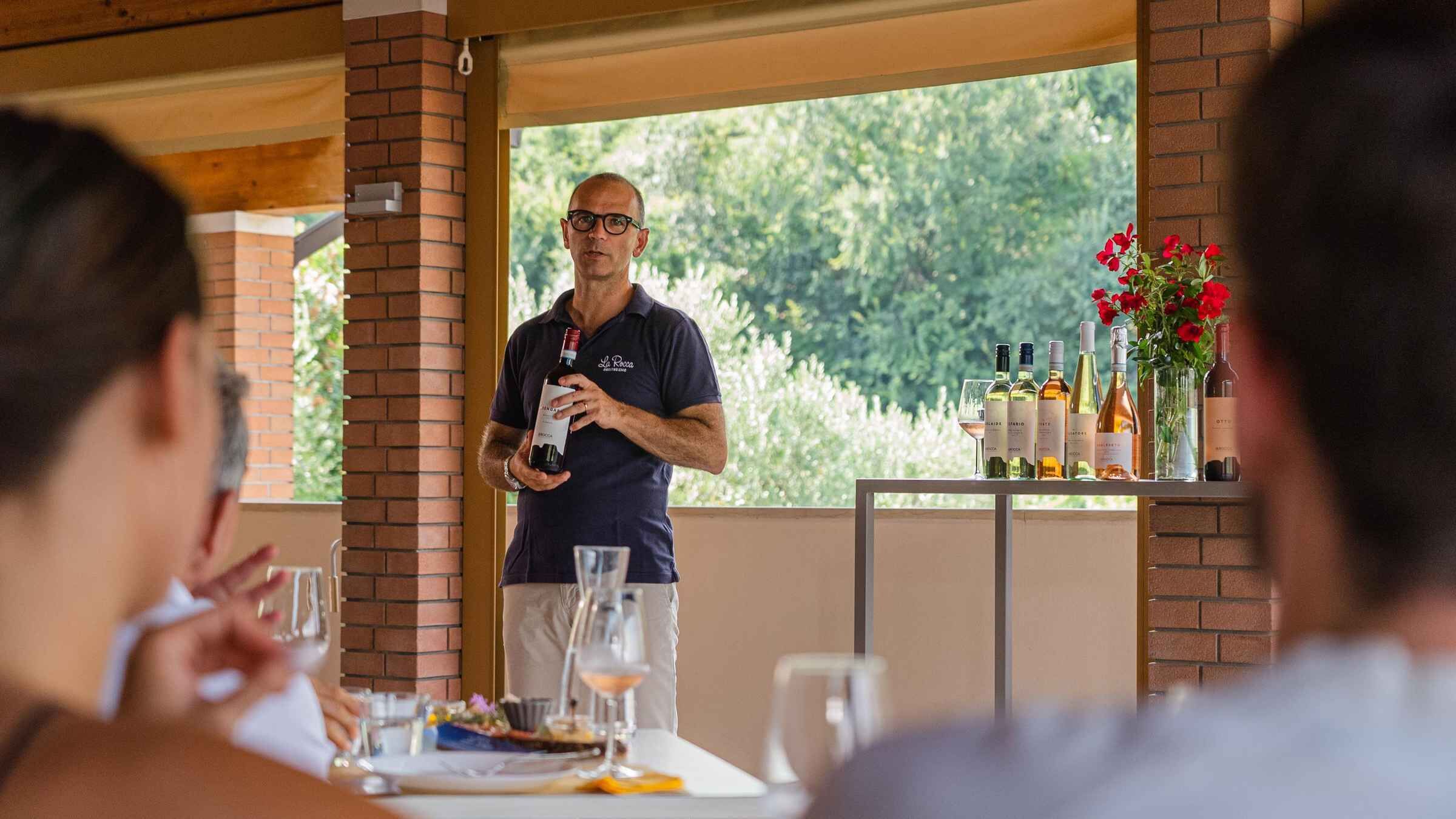
Inside the cantina, fermentation tanks line one wall, oak barrels the other. Your host pours the first wine, a pale Chiaretto rosé, into stemmed glasses, describing the soft pressing that preserves its blush color. You taste strawberry, white peach, a saline finish. The second pour is Bardolino Classico, ruby and brighter, followed by a Bardolino Superiore aged in Slavonian oak. Between wines, you sample estate olive oil on grilled bread, the peppery Casaliva varietal grown in the same soil as the vines. Some tours include a walk through the olive mill or a cheese pairing with local Monte Veronese. The final pour is often an Amarone from a neighboring Valpolicella estate, dense and raisined, produced by the same cooperative. You leave with tasting notes and the option to purchase bottles directly from the estate shop, prices lower than retail.
All the details about your upcoming adventure in one place
Bardolino's vineyards have pressed grapes since Roman occupation, but the denomination—DOC Bardolino, granted in 1968—codified a regional style built on Corvina, Rondinella, and Molinara varietals grown in glacial moraine soils between Lake Garda's eastern shore and the Valpolicella foothills.
The microclimate here, moderated by the lake's thermal mass, allows late harvests and extended hang time, producing the pale Chiaretto rosé that accounts for nearly forty percent of the appellation's output. By the 1980s, Bardolino Chiaretto had become Italy's answer to Provence rosé, crisp and mineral, bottled young and consumed within eighteen months.
Today, Bardolino wine tasting tour options span family-run estates dating to the 1400s and modernist cellars equipped with temperature-controlled fermentation tanks and gravity-flow systems. The denominazione covers 2,500 hectares, but only 800 are actively cultivated—smallholders farm plots as compact as two hectares, often integrating olive groves and cherry orchards into the same holdings. The Wine Museum on Via Costabella, opened in 1996 inside a renovated Venetian villa, archives amphorae fragments, medieval presses, and barrel-making tools, documenting viticulture's six-century evolution along this shoreline. Visitors trace the trajectory from hand-stomping in stone lagari to pneumatic presses that preserve aromatic compounds in Chiaretto's delicate must.
The estates themselves occupy terraced slopes where vines face southeast, catching morning sun while afternoon breezes off Garda prevent fungal pressure. Many properties maintain century-old pergola training systems—overhead trellises that shade the fruit and slow ripening—alongside modern Guyot rows optimized for mechanical harvesting. Tastings typically progress from the young Bardolino Classico, a bright red with cherry and almond notes, to Bardolino Superiore, aged twelve months and deeper in structure, before concluding with an Amarone or Recioto from neighboring Valpolicella, produced by the same cooperative networks. Olive oil, pressed from Casaliva and Leccino cultivars grown in the same parcels, accompanies the final pours, closing the sensory loop between vine, fruit, and soil.

The microclimate here, moderated by the lake's thermal mass, allows late harvests and extended hang time, producing the pale Chiaretto rosé that accounts for nearly forty percent of the appellation's output.
Casual attire is appropriate for any bardolino wine tasting tour. Comfortable shoes are recommended for walking through the historic cellars and museum exhibits.
Large backpacks and bulky items should be left in your vehicle, as the museum space is compact. Security staff are present to ensure the preservation of historic artifacts during your bardolino wine tasting tour.
Personal photography is permitted within the museum and during your bardolino wine tasting tour. Professional equipment or tripods require prior authorization from management.
The museum is welcoming to families. Children under 12 must be accompanied by an adult throughout the duration of the bardolino wine tasting tour.
The museum route is designed to be wheelchair accessible for a significant portion of the exhibition. Guests requiring assistance should contact the shop staff upon arrival at this bardolino wine tasting tour venue.
External food and beverages are not permitted inside the exhibition areas. Tasting of local wines is strictly provided by staff as part of the formal bardolino wine tasting tour experience.
Opening Hours
Mon-Sat: 08:30–12:30, 14:30–18:30
Address
Via Costabella, 9, 37011 Bardolino VR, Italy
Accessibility
Accessible pathways available; inquire at store for assistance
Best arrival window
09:00–11:00 — Avoid mid-day heat and large afternoon tour groups
Storage
No lockers available on-site; travel light
Official site
https://www.museodelvino.it
Individual visitors do not require reservations, making cancellations non-applicable. Group bookings for a bardolino wine tasting tour must follow the specific terms agreed upon at the time of reservation.
Recommended time
1.5-2 hours
A typical bardolino wine tasting tour provides an efficient overview of local viticulture and historic equipment. Plan for two hours if you intend to browse the museum archives or analyze the terroir of regional grapes in depth, while a quick visit can be completed in ninety minutes. Visitors seeking to secure bardolino wine tasting tour tickets often find that arriving early helps bypass the afternoon surge. Those interested in booking bardolino wine tasting tour tours will find that manageable group sizes keep the flow steady throughout the day.
Crowd levels through the day
Bardolino's wine heritage traces to Roman settlements along Lake Garda's eastern shore, where Pliny the Elder documented viticulture in the first century. Medieval monasteries cultivated Corvina and Rondinella vines on the moraine hills, but commercial production remained fragmented across family estates until the nineteenth century. The 1968 establishment of the Bardolino DOC transformed scattered vineyard holdings into a unified appellation, codifying blending rules and geographic boundaries that elevated local wines from rustic table fare to export-quality products. This regulatory framework coincided with Italy's broader quality wine movement, and within a decade Bardolino rosé—marketed as Chiaretto—gained international recognition for its pale salmon hue and mineral finish. The Museo del Vino, housed in a restored nineteenth-century cantina on Via Costabella, opened in 1996 to anchor the emerging bardolino wine tasting tour infrastructure. Its permanent collection documents traditional winemaking tools, cooperage techniques, and the evolution of bottling practices across three centuries. The museum's courtyard hosts seasonal degustazioni that connect visitors directly to the DOC's thirty-plus estates, many still family-operated. A 2003 expansion added climate-controlled cellars for vertical tastings of Bardolino Superiore DOCG, a designation introduced in 2001 for oak-aged reds meeting stricter yield and aging requirements. Today's bardolino wine tasting tour tours navigate a landscape shaped by both tradition and tourism pressure. The 2010s saw a surge in agriturismo conversions, with estates opening tasting rooms and accommodation to capture visitors arriving from Verona and Venice. This commercialization sparked debate over authenticity—some producers maintain centuries-old terroir practices, while others adopted modern marketing strategies that prioritize volume. The DOC consortium now promotes sustainable viticulture certifications to differentiate serious winemakers from generic lakeside hospitality, ensuring that visitors encounter genuine expressions of Corvina and Rondinella rather than diluted regional stereotypes. The museum remains the interpretive anchor, offering context that guided bardolino wine tasting tour tickets holders might otherwise miss amid the proliferation of tasting-room venues.
Pliny the Elder records vine cultivation along Lake Garda's eastern slopes
Benedictine and Franciscan monasteries expand Corvina and Rondinella plantings across Bardolino communes
Bardolino DOC designation establishes appellation boundaries and blending regulations for regional wines
Museo del Vino opens in a restored cantina on Via Costabella, anchoring wine tourism infrastructure
Bardolino Superiore DOCG introduced for oak-aged reds meeting stricter yield and aging standards
Museum expansion adds climate-controlled cellars for vertical tastings and archival bottle storage
Agriturismo boom converts family estates into visitor-facing tasting rooms and accommodation facilities
DOC consortium promotes sustainability certifications to differentiate traditional producers from commercial operations
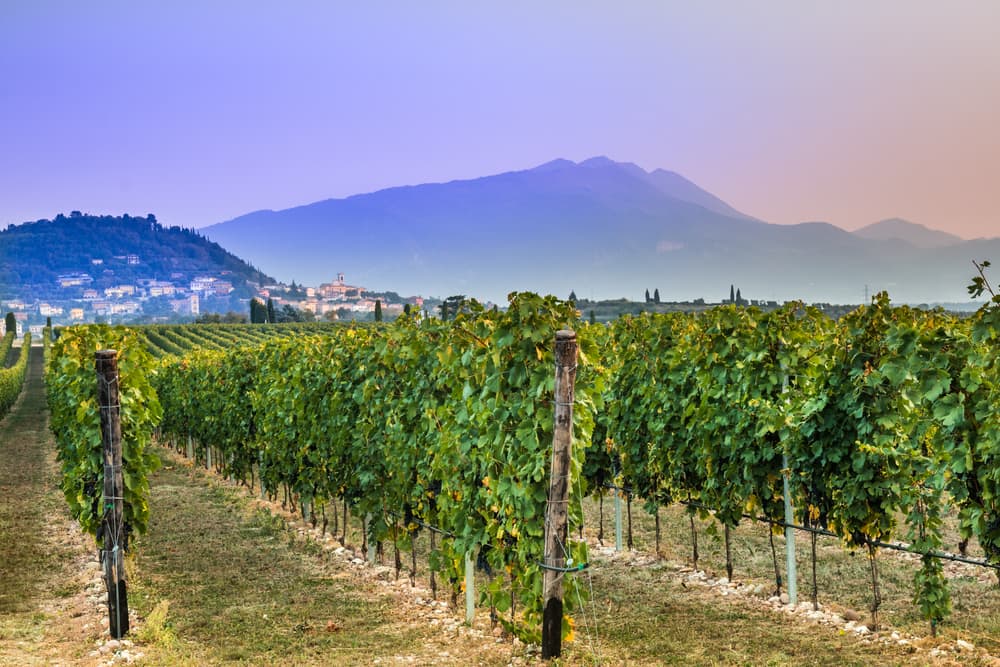
Position yourself at the edge of the vine trellises to capture the geometric lines of Corvina grapes stretching toward the hills. This classic composition defines the aesthetic of a professional bardolino wine tasting tour.
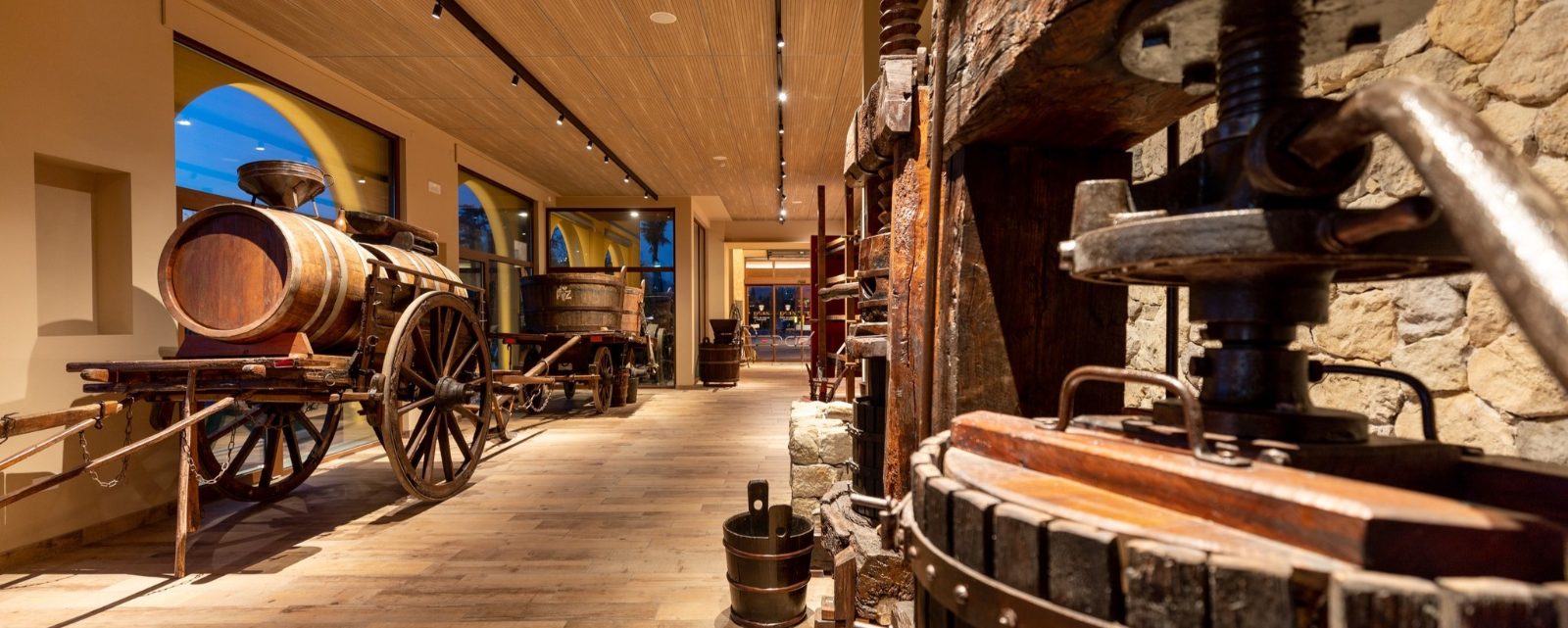
Focus on the rustic textures and iron mechanisms of the historical equipment found inside the cellar. Stand near the main entrance to utilize soft ambient light filtering through the small windows.
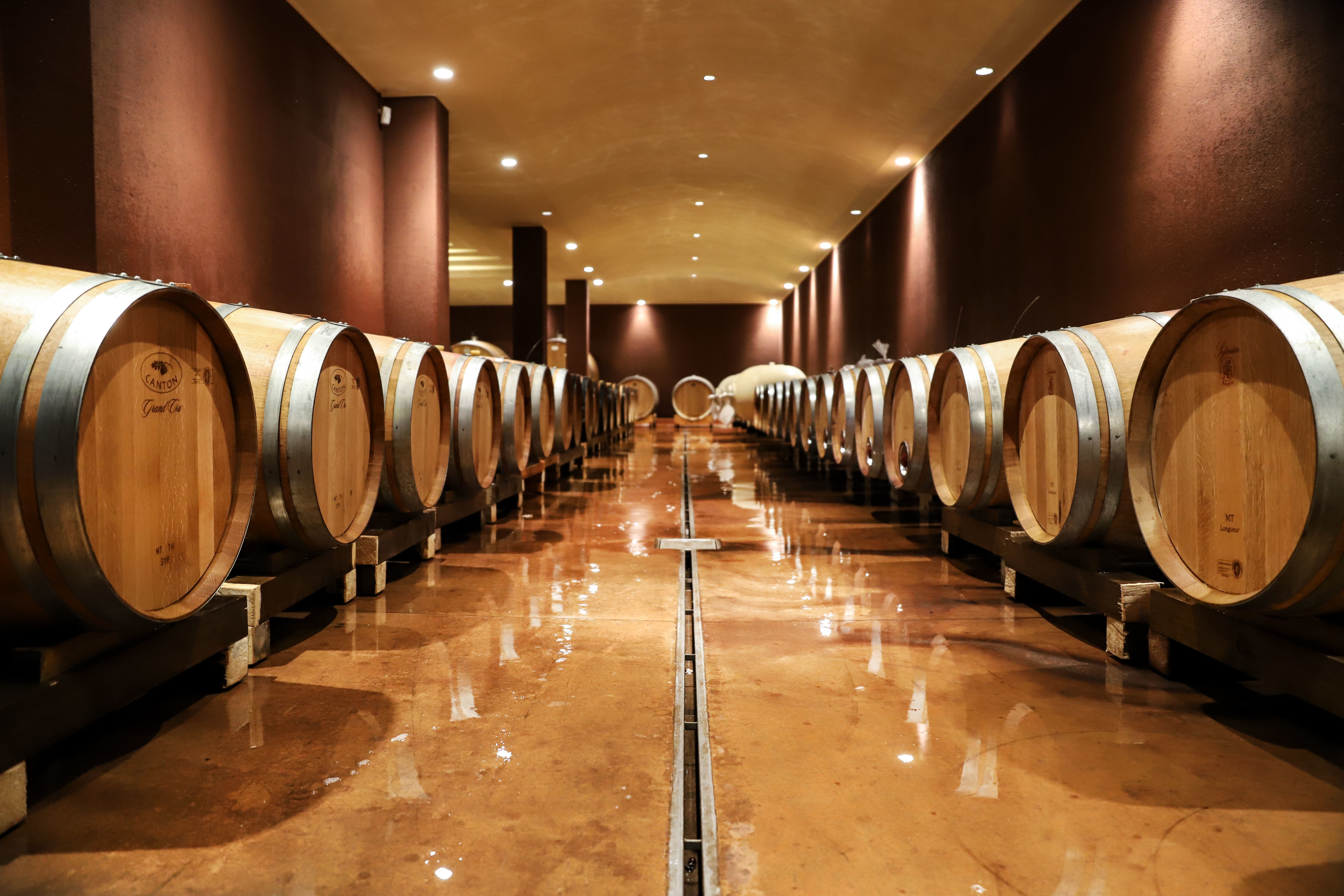
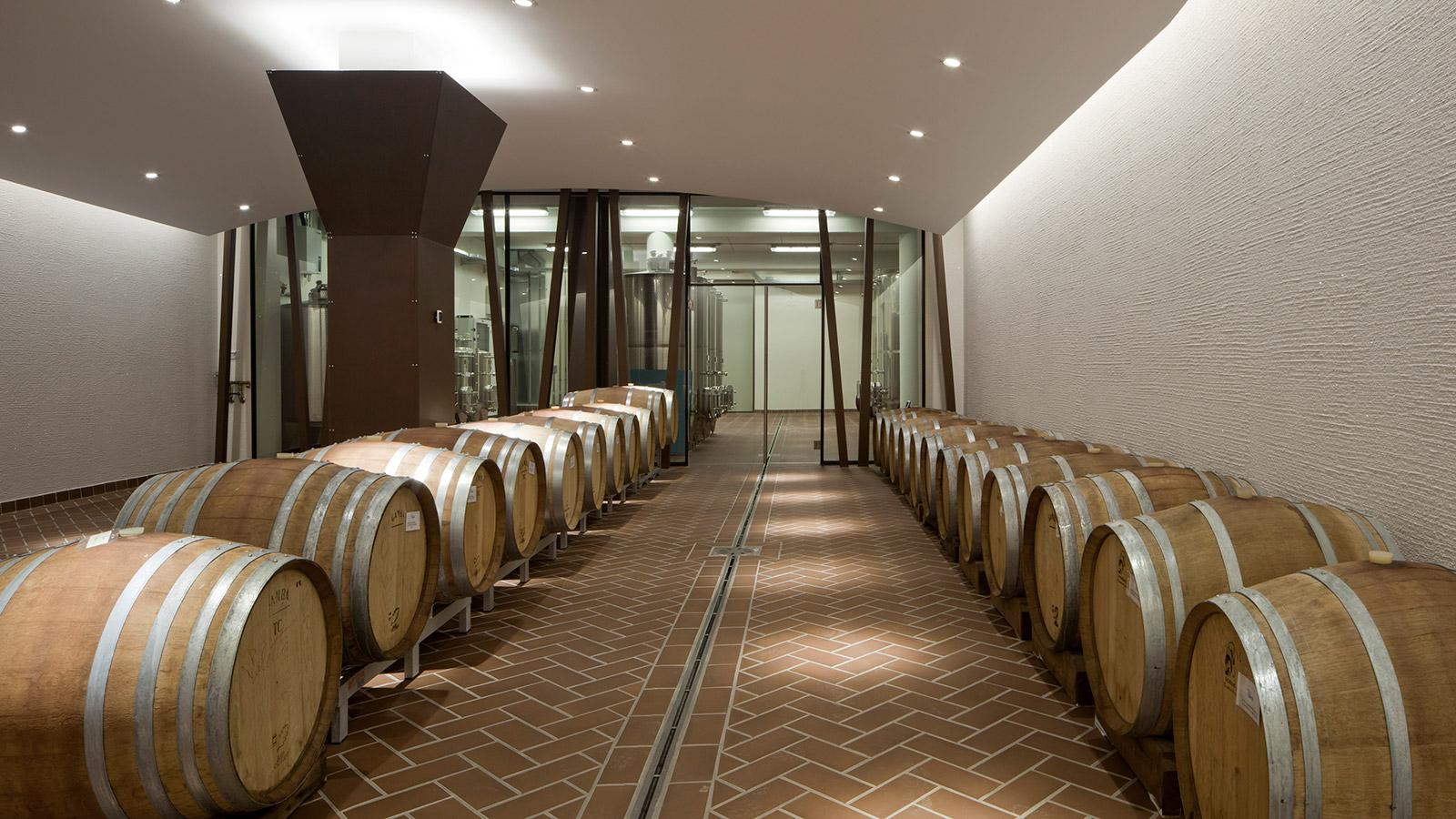
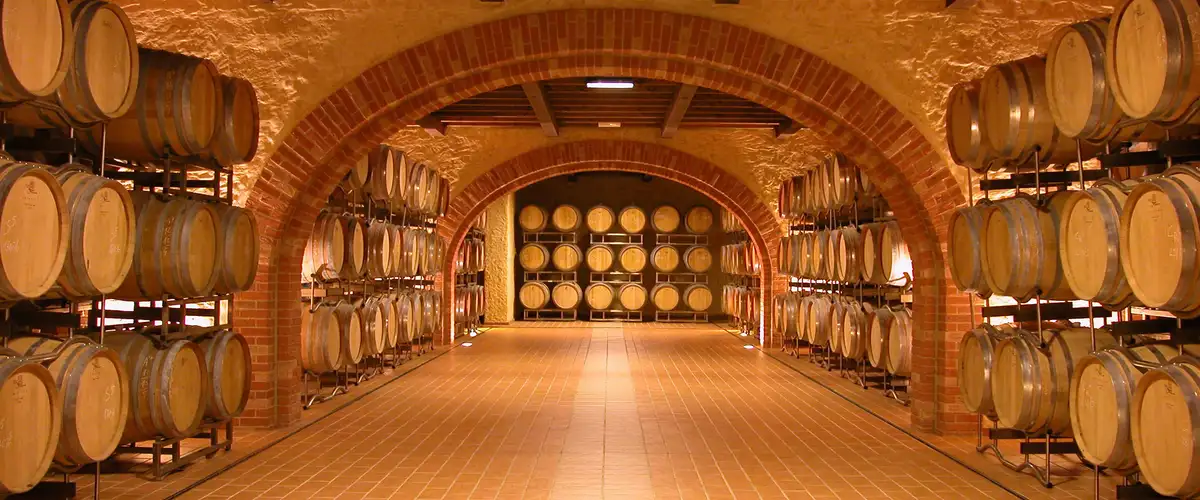
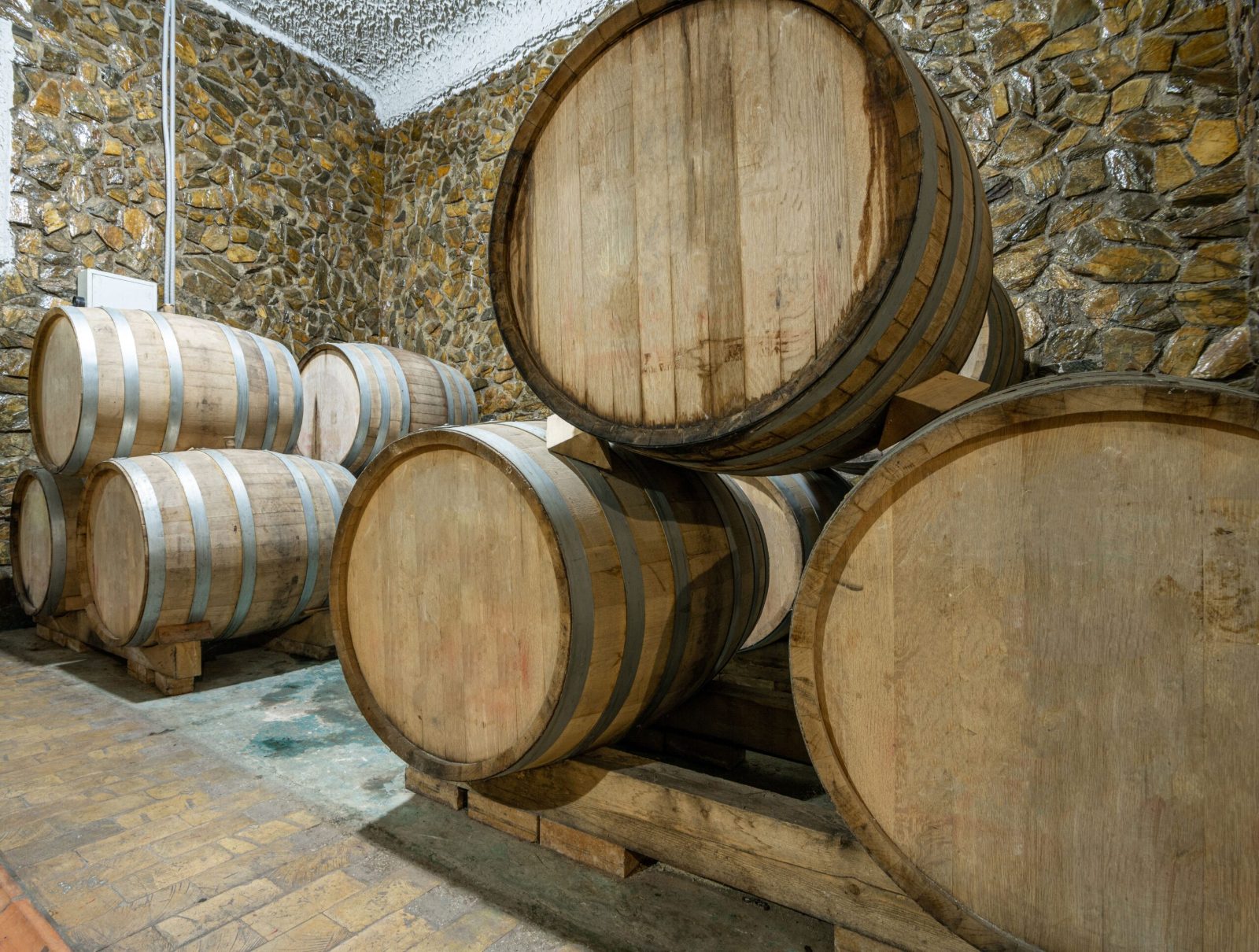
Capture the symmetrical perspective of the aging cellar where stacked barrels create depth. Low angles work well here to highlight the scale of the wood storage vessels during your local Bardolino wine tasting tour tours.
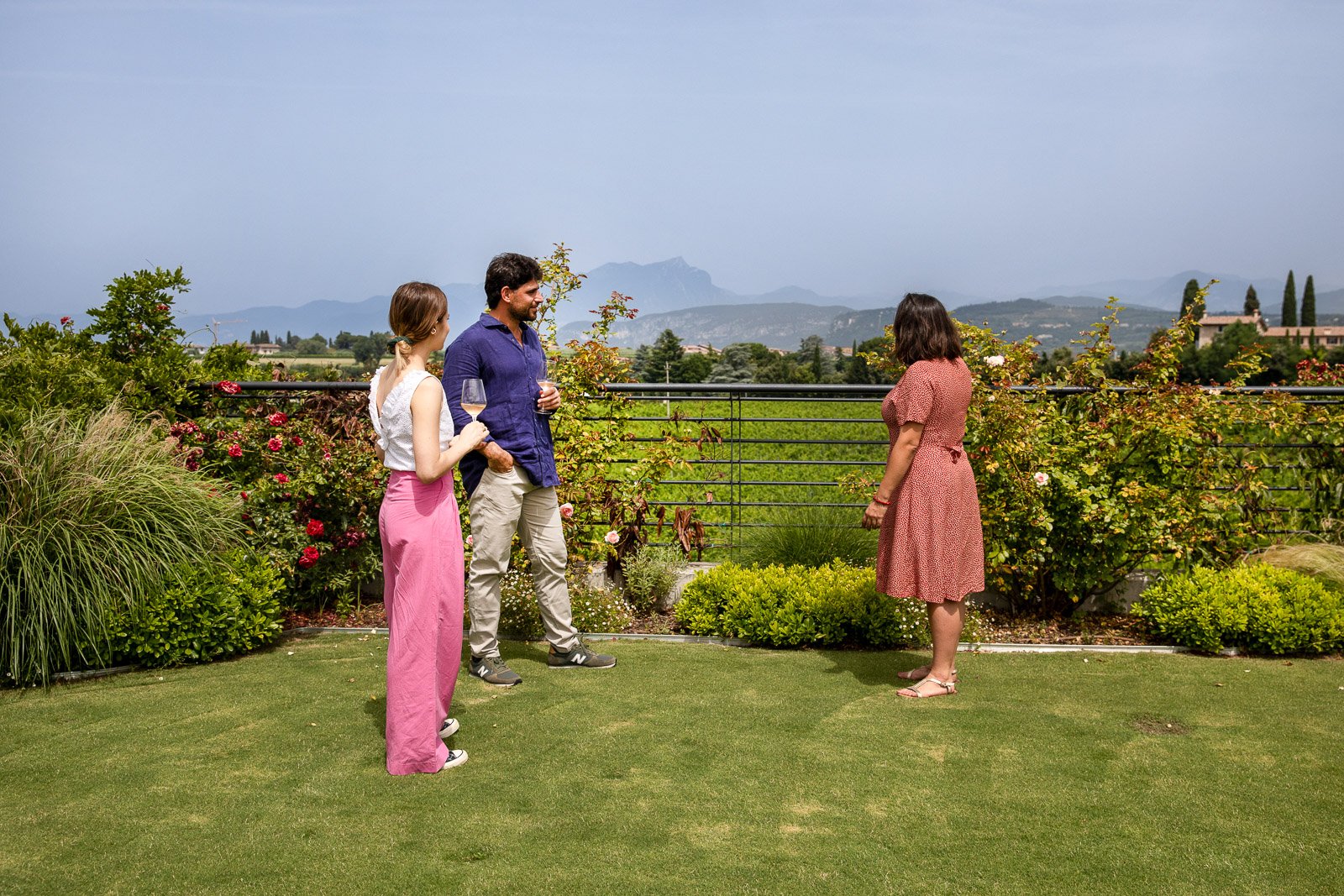
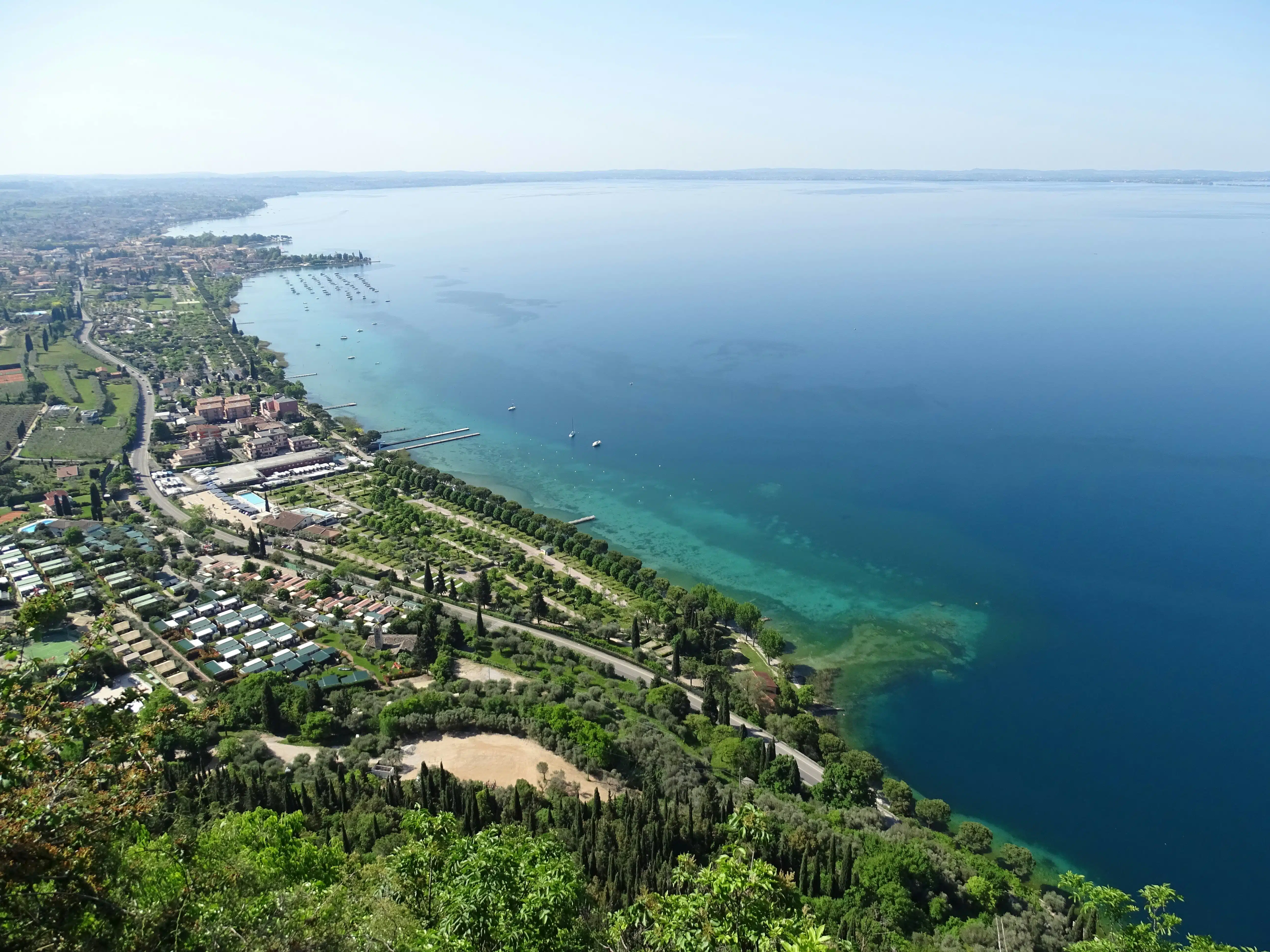
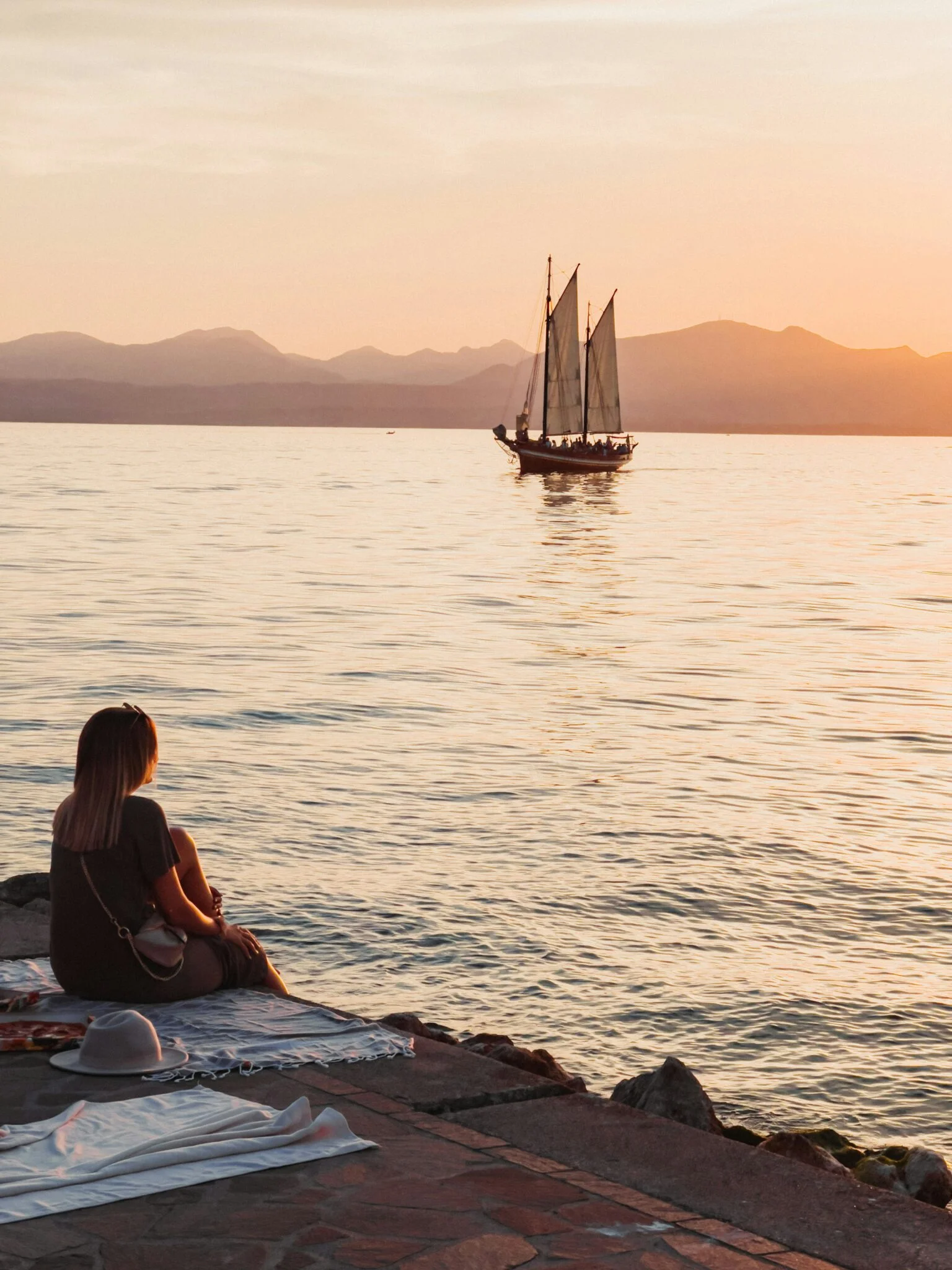
This viewpoint offers a glimpse of the water framed by local flora, providing a contrast to the indoor cellar shots. Frame your image with the stone balustrade to add foreground interest for your Bardolino wine tasting tour tour.
Visiting with children is straightforward at this historic site, which offers an educational look at local viticulture. Families often enjoy the bardolino wine tasting tour for its accessible displays and cultural context.
The venue is generally stroller-friendly, allowing parents to navigate the exhibits easily with young children. Be mindful of occasional steps in older sections of the facility
This experience is best suited for children who can appreciate cultural history, as there are no interactive play areas for toddlers. Older children typically engage well with the wine production equipment and antique tools
The museum provides basic amenities for visitors, though specific baby-changing facilities are limited. It is advisable to plan your visit around these needs before starting your bardolino wine tasting tour tours
Families should target the 09:00–11:00 arrival window to enjoy a relaxed visit before midday heat. This timing also helps you secure your bardolino wine tasting tour tickets while avoiding larger afternoon crowds
The museum serves as an excellent indoor activity for families during inclement weather. You can comfortably explore the indoor collections and learn about the local terroir regardless of the conditions outside
Visitors planning a bardolino wine tasting tour will find several authentic taverns and agriturismi within a short walk of the museum, perfect for pairing local grapes with seasonal Garda cuisine. While the venue itself does not serve meals, the surrounding streets offer convenient access to traditional Venetian dining experiences.
This historic spot serves classic lake fish and local pasta dishes that pair well with the region's reds after you finish your bardolino wine tasting tour tours.
Everything you need to know for your journey
Entrance fee: 0 EUR (Free entry for individual visitors under 10 people).
Yes, families are welcome, provided children under 12 are supervised during the bardolino wine tasting tour.
Individual visitors do not need to book, but groups of over 10 require reservations for a guided bardolino wine tasting tour.
Yes, much of the museum space is accessible; ask staff for assistance upon arrival at your bardolino wine tasting tour.
Yes, personal photos are encouraged during your visit to the museum and on your bardolino wine tasting tour.
Visit between 09:00–11:00 to avoid mid-day heat and large afternoon groups on your bardolino wine tasting tour.
A standard self-guided visit or basic bardolino wine tasting tour typically takes 60–90 minutes.
Pets are generally not permitted inside the museum exhibition rooms during a bardolino wine tasting tour.
Groups of more than 10 people must book in advance to secure guided bardolino wine tasting tour tickets.
Bring comfortable walking shoes and your camera to capture the history of your bardolino wine tasting tour.
Join thousands of happy travelers who have discovered this incredible experience
Book Your Experience Now