1 hr 30 min
Bardolino Vineyard Tour with Wine & Olive Oil Tasting
- Entry ticket
- Mobile voucher
- Valid same day
- Free cancellation
Bardolino Wine Tasting — Museum Visits & Guided Tastings
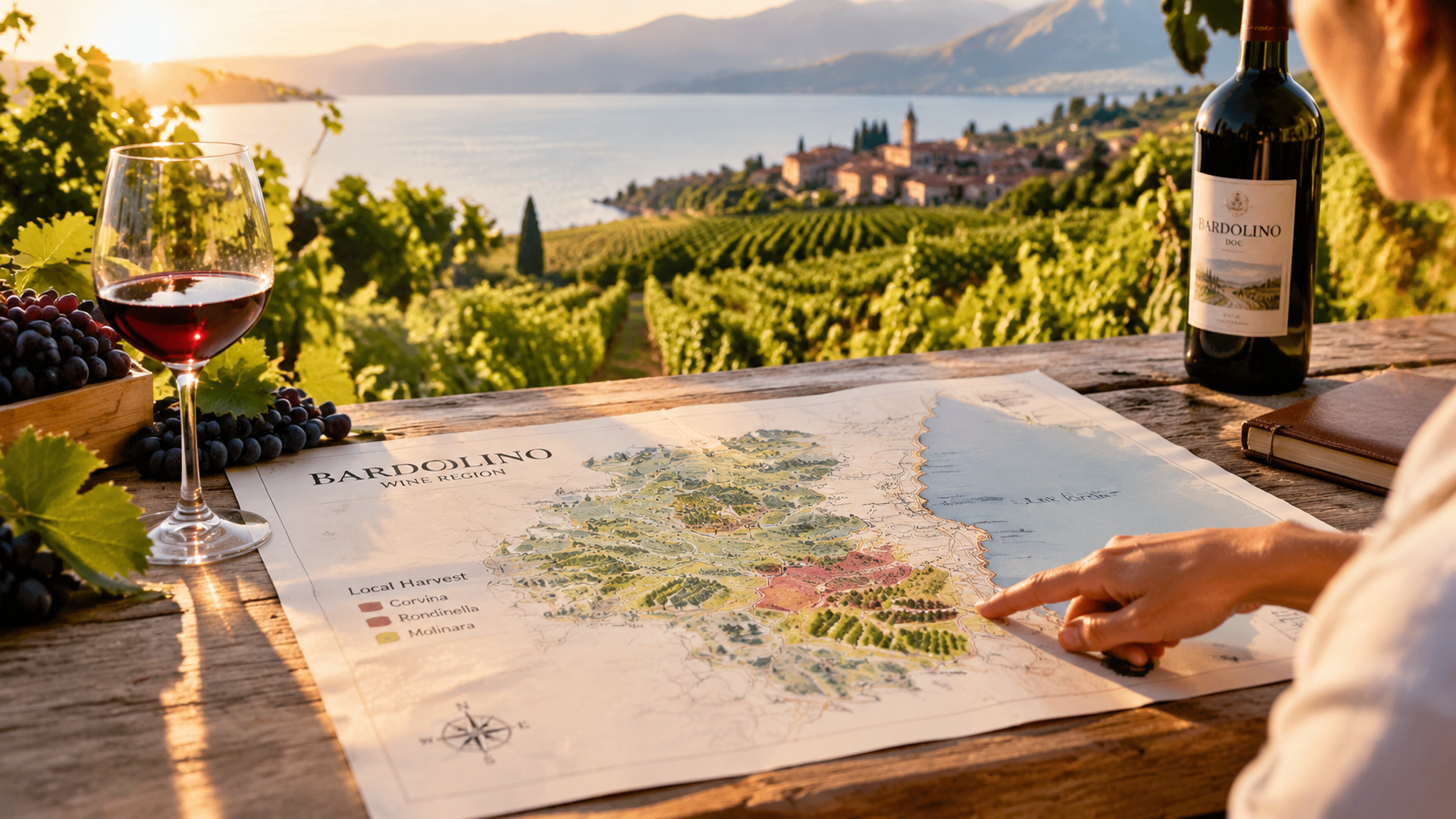
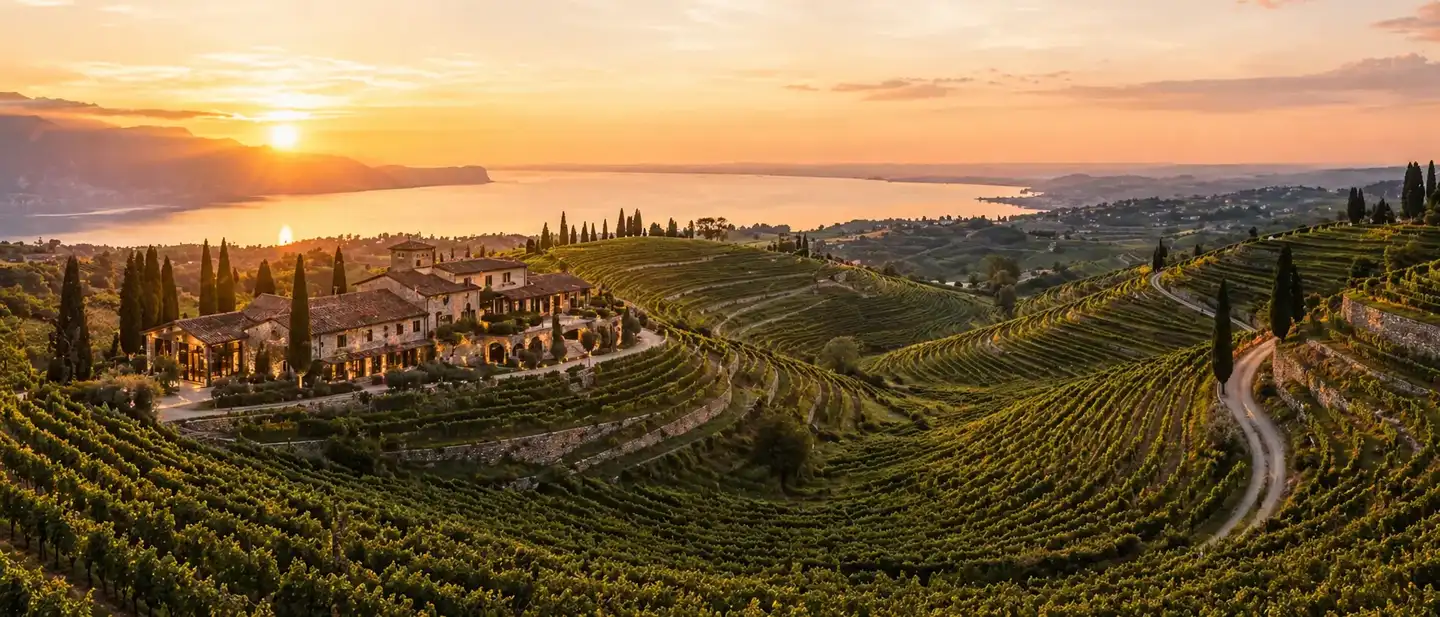
Sample Corvina, Rondinella, and Molinara at Lake Garda's wine capital, where terroir meets tradition.
Compare fares, pick the fit — all bookings are mobile-voucher and eligible for free cancellation where shown.
1 hr 30 min
1 hr 30 min
2 hr
| Experience | Duration | Rating | Guide | Small group | Free cancel. | Price | |
|---|---|---|---|---|---|---|---|
|
Standard Entry
Most popular
Bardolino Vineyard Tour with Wine & Olive Oil Tasting
|
1 hr 30 min | ★ 4.8 | — | — | ✓ | €36 | Book → |
|
Standard Entry
Bardolino Winery Tour & Tasting
|
1 hr 30 min | ★ 4.8 | ✓ | ✓ | ✓ | $46 | Book → |
|
Standard Entry
Bardolino Vineyard Walk with Wine & Cheese Tasting
|
2 hr | ★ 4.7 | — | — | ✓ | $52 | Book → |
Hand-picked experiences loved by thousands of travelers
2 hours
Free Cancellation
Tour historic hillside vineyards above Lake Garda, visit the barrel cellar, and sample five estate wines with local pairing.
1 hour
Free Cancellation
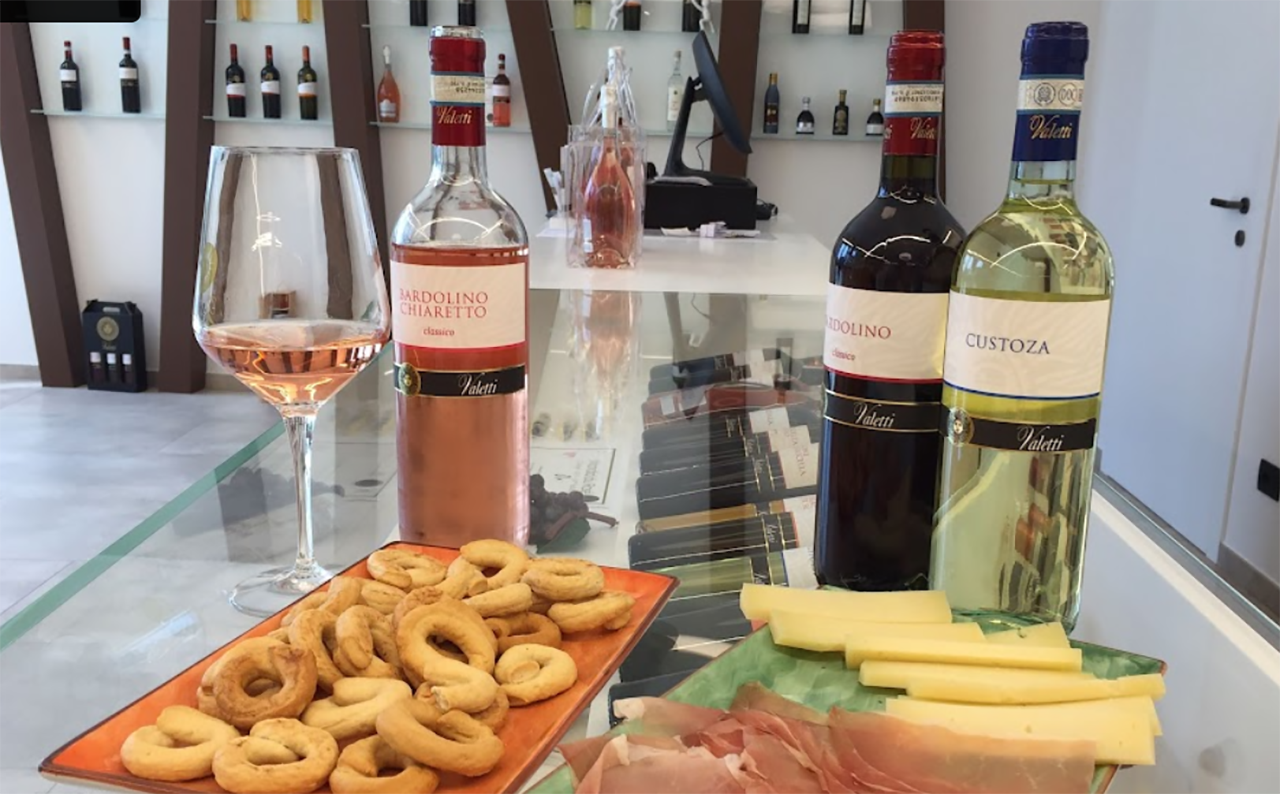
Sample Lake Garda wines at a family winery with vineyard views, local cheese, and your choice of tasting flight
1.5 hours
Free Cancellation
Discover lakeside winemaking with a guided cellar visit and taste four regional wines paired with artisan foods
2 hours
Free Cancellation
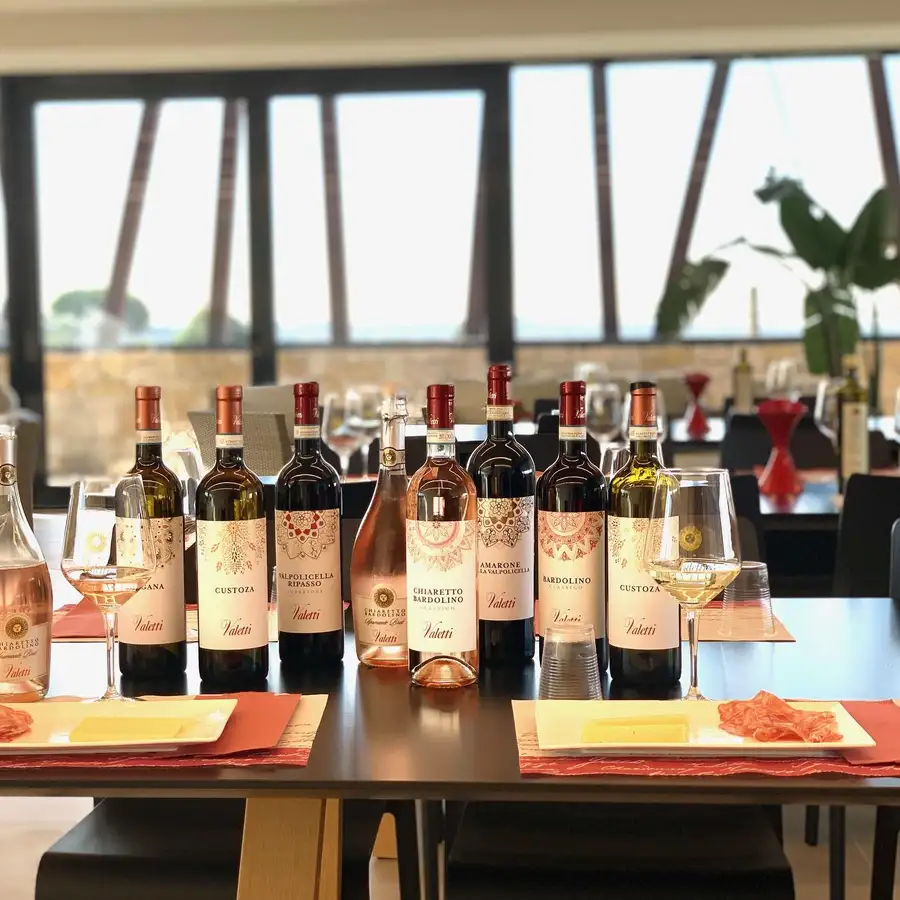
Sample six distinctive reds at a family estate, from light Bardolino to bold Amarone, paired with local charcuterie
2 hours
Free Cancellation
Explore historic vineyards, tour working cellars, and taste four regional wines at a family estate
2 hours
Free Cancellation
Sample six local wines on a lakefront terrace at a family-run Bardolino estate with charcuterie pairings
4 hours
Free Cancellation
Speedboat journey past medieval fortresses with sommelier-led tasting and swimming stops
3 hours
Free Cancellation
Private winery visit in UNESCO-recognized vineyards, three-wine tasting, and three-course lunch on the lake
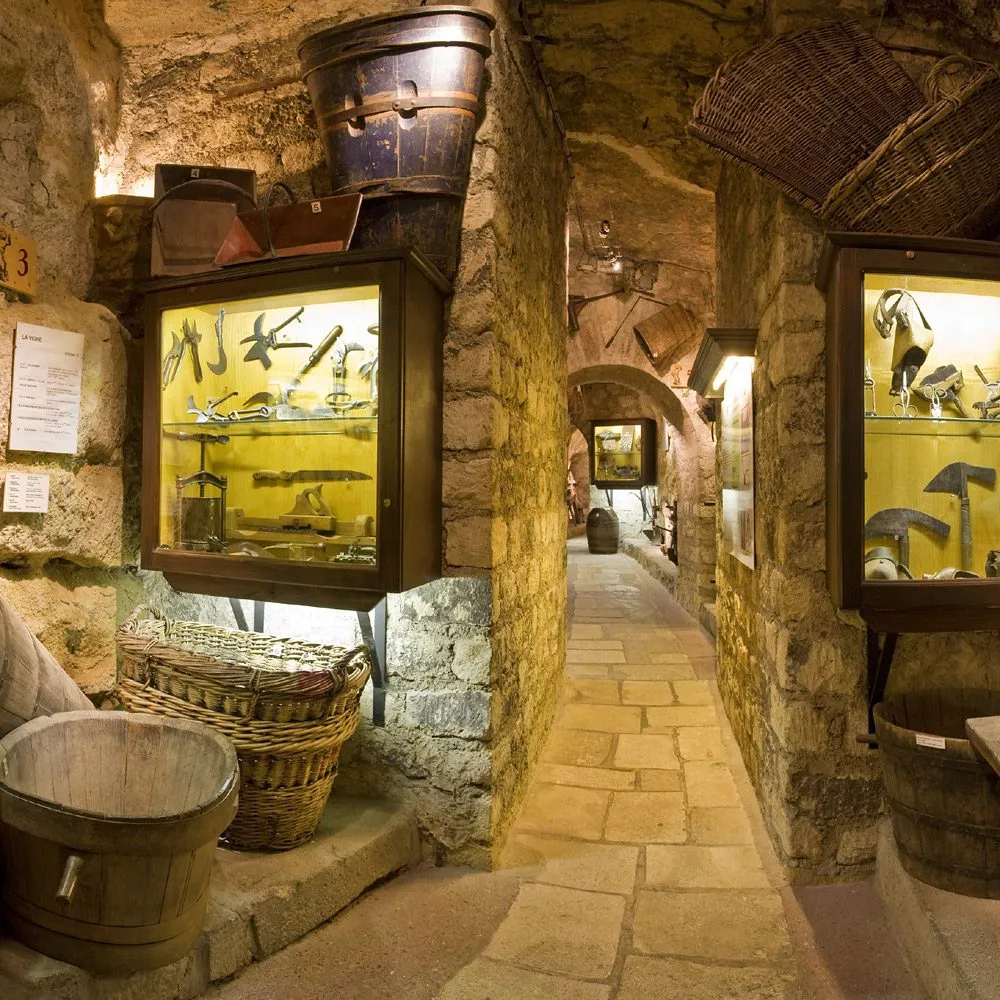
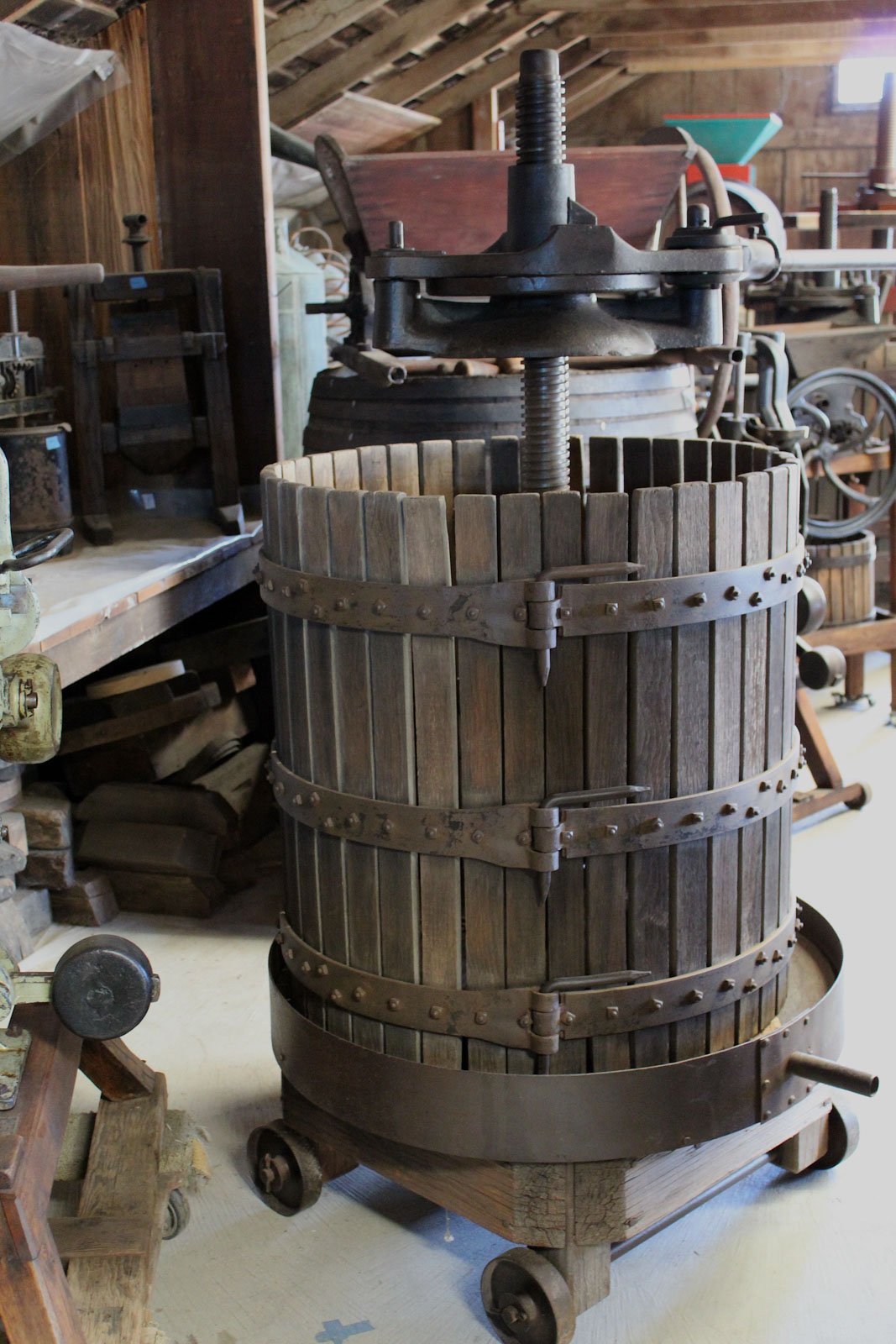
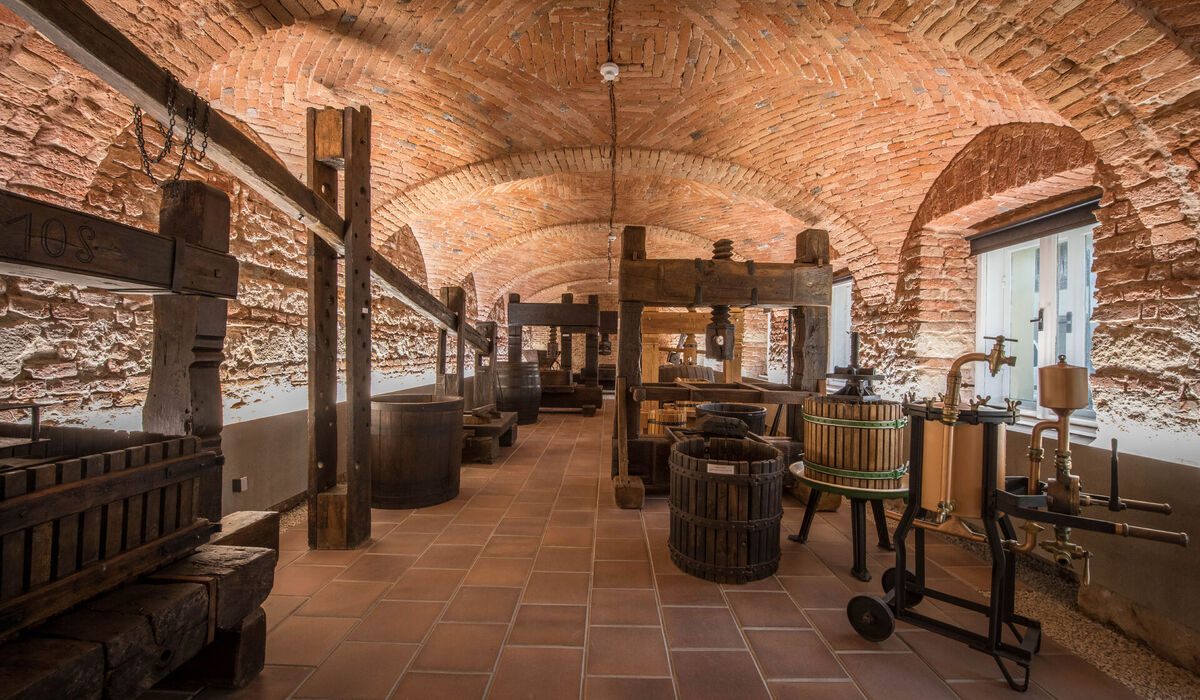
Begin by exploring the historical wine-making tools.
Walk through the legacy of the local grape varieties.
Participate in the scheduled bardolino wine tasting.
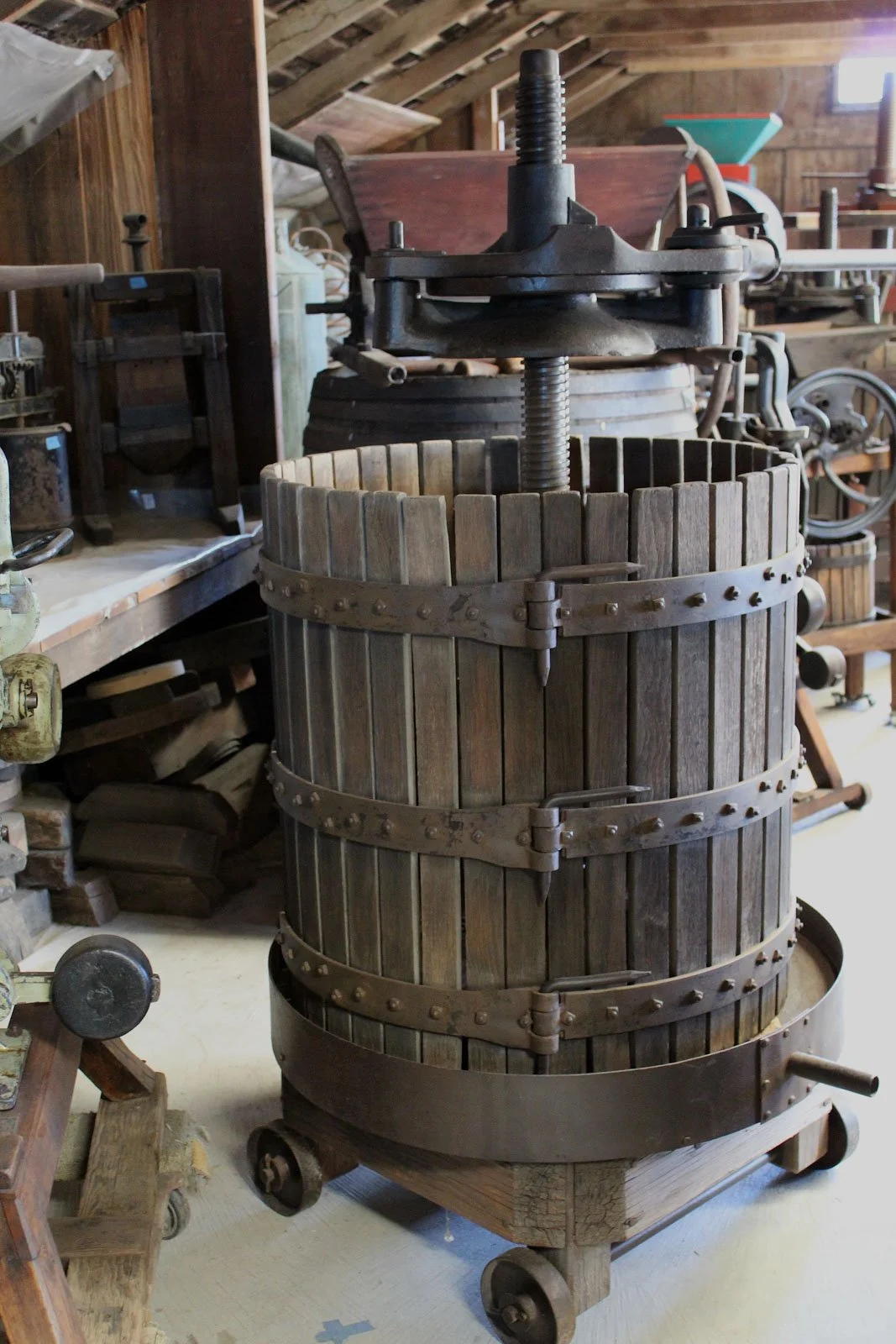
Explore the massive wooden structure used for traditional extraction.
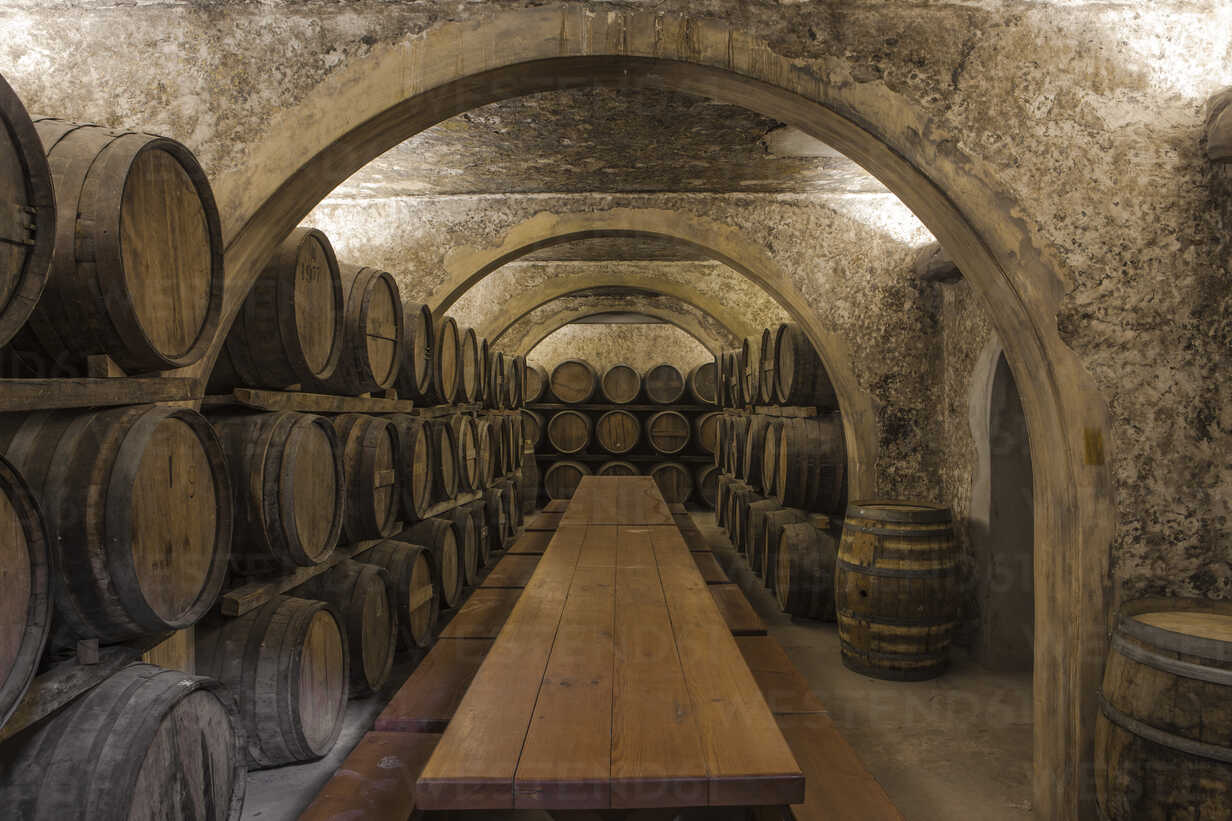
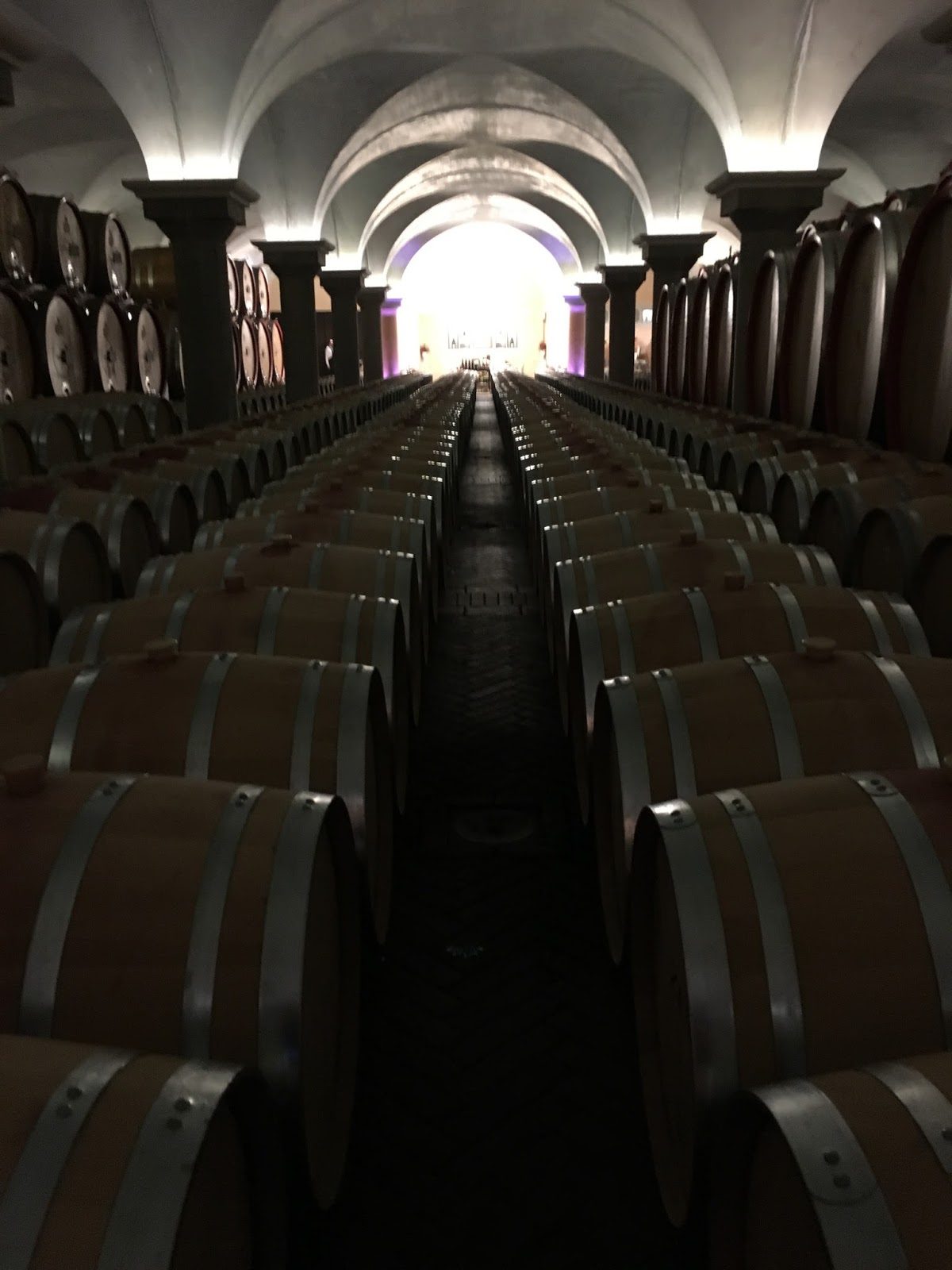
See centuries of viticulture history through these preserved casks.
Discover the local terroir and the science behind the harvest.
View historic vessels used in regional celebrations.
Trace the origins of the grapes used in your bardolino wine tasting.
You arrive at Museo del Vino Zeni mid-morning, when the tasting room is quiet and the lake visible through cypress trees. The museum requires no ticket—you walk directly into the ground-floor gallery, where a timeline maps Bardolino's elevation from vino da tavola to protected appellation.
Copper distillation equipment fills one corner; wooden presses occupy another. You spend 20 minutes reading labels in Italian and English, learning how phylloxera nearly erased these vineyards in 1880.
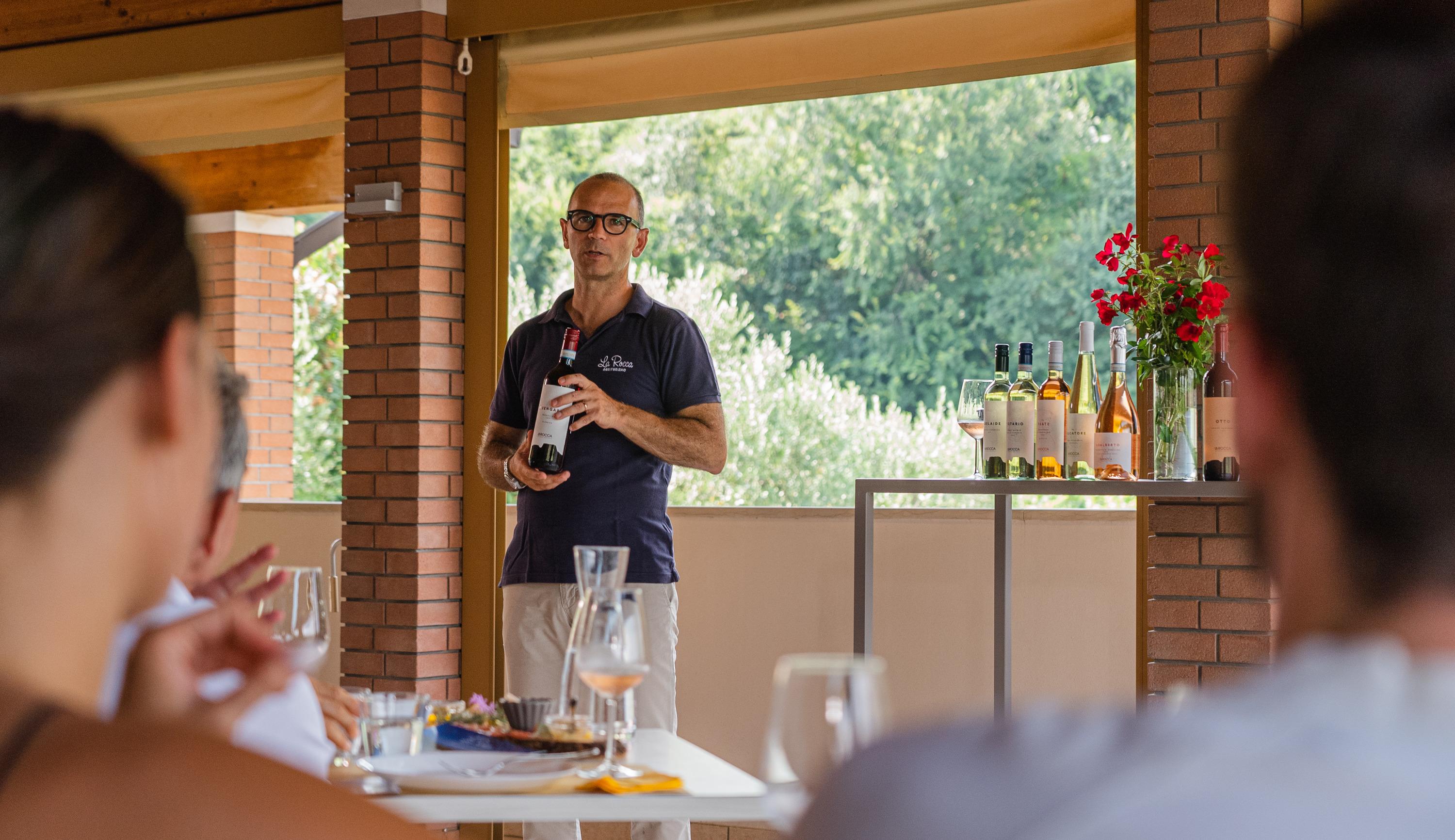
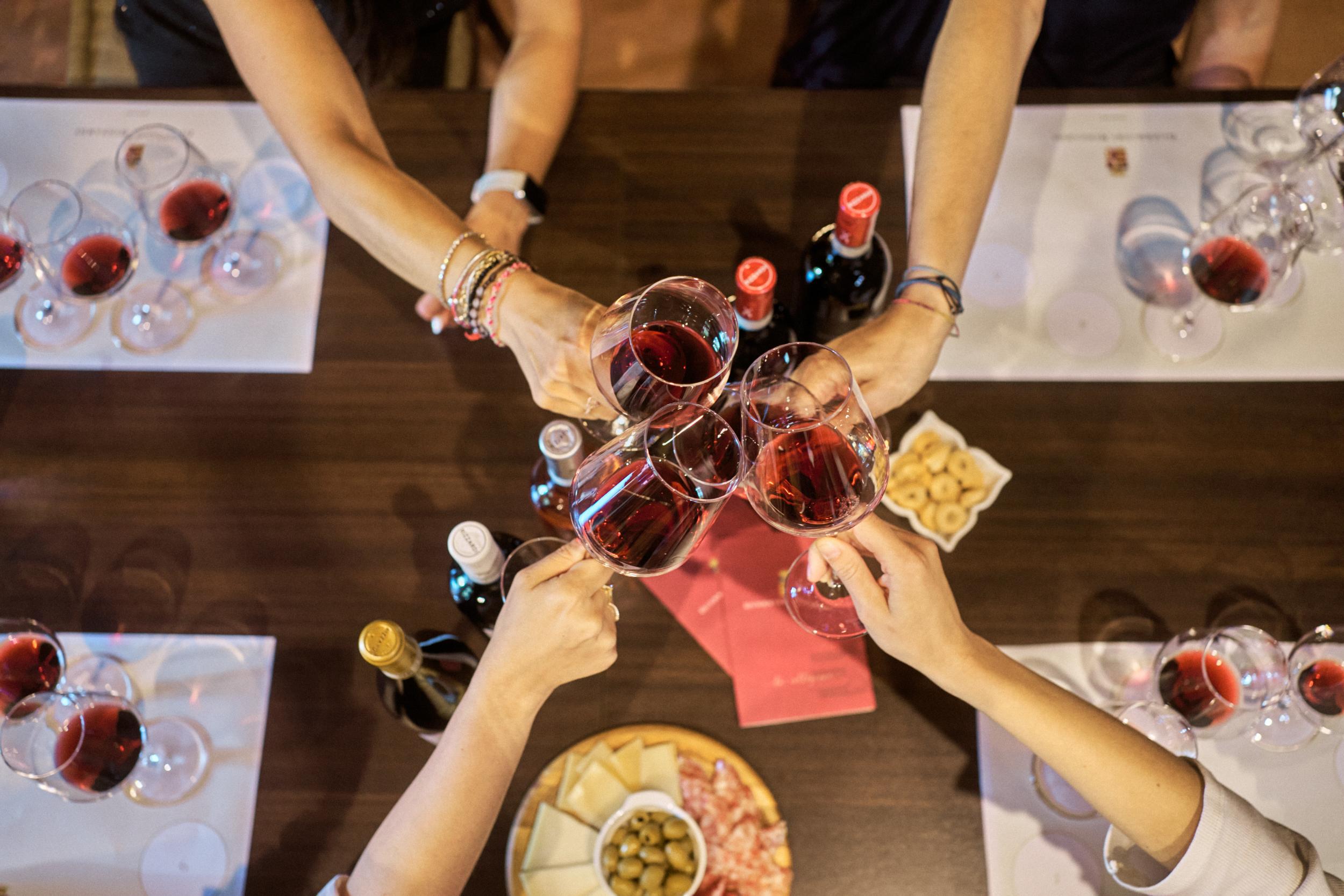
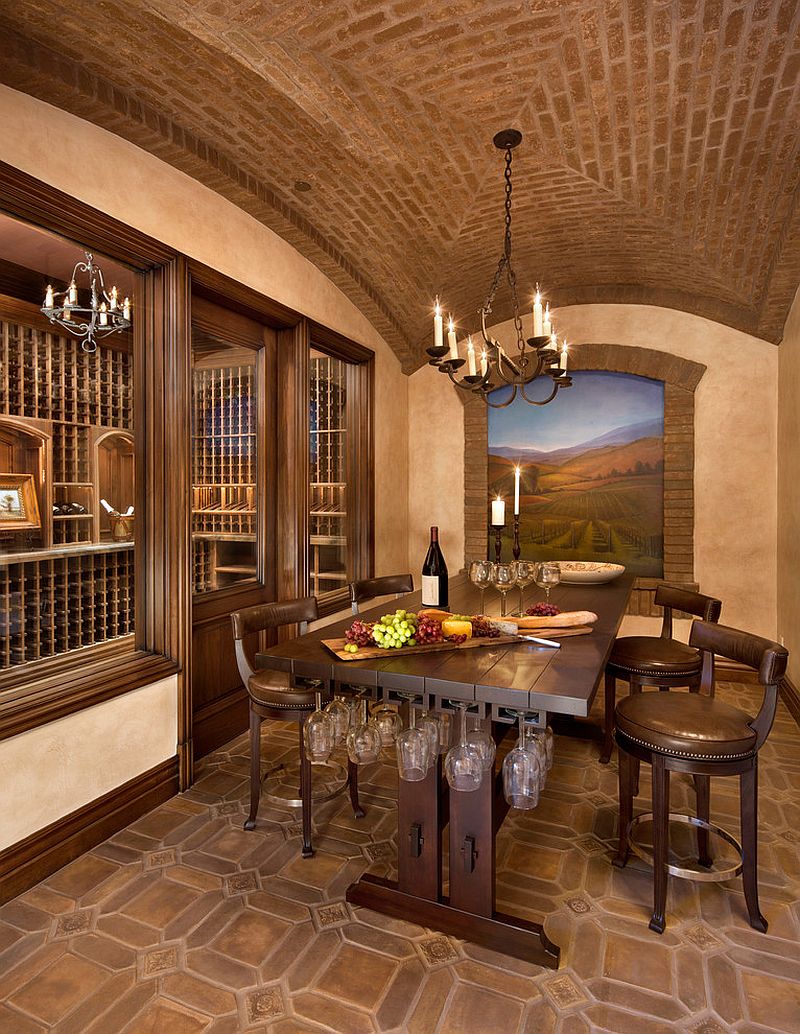
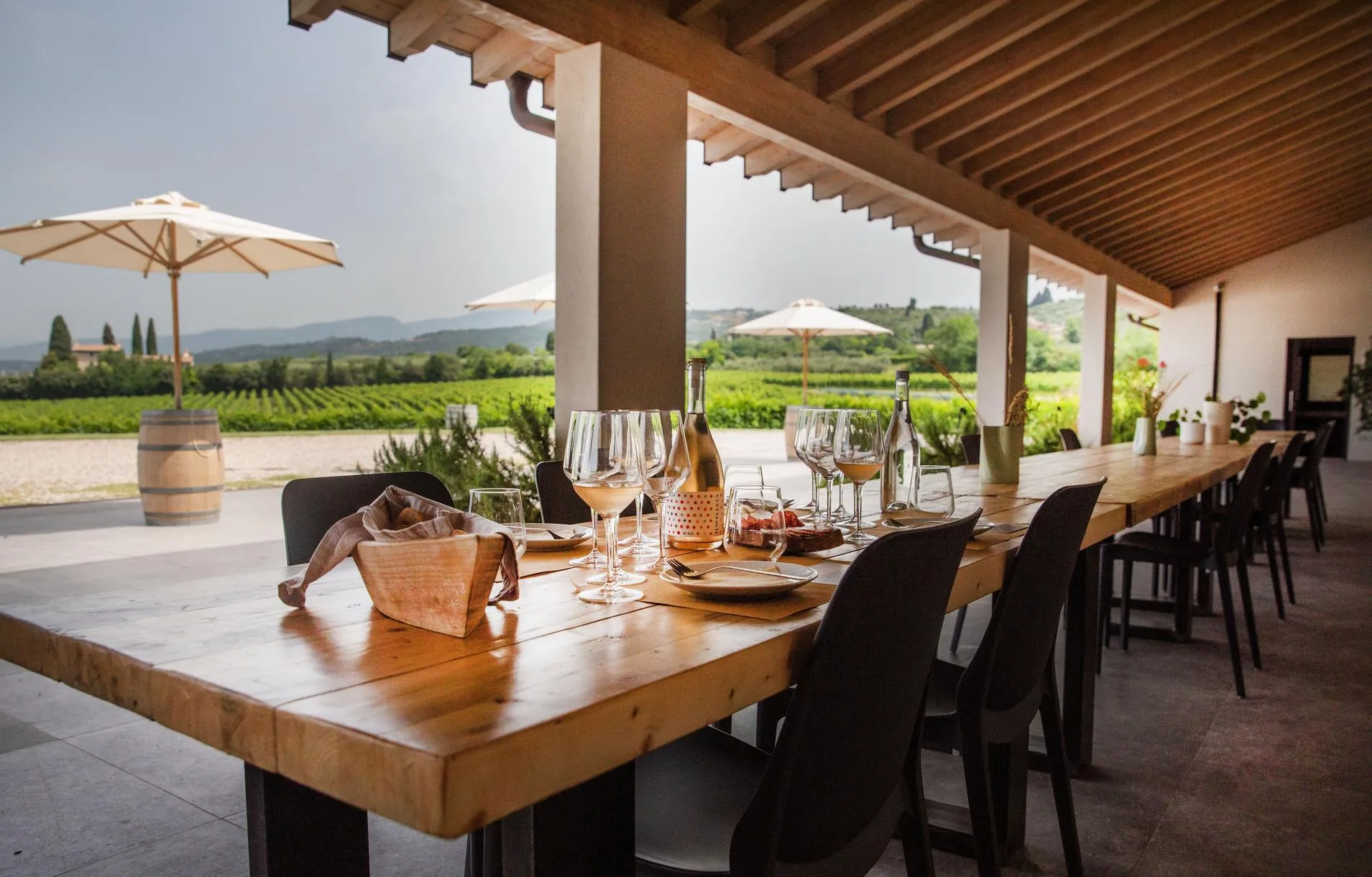
Upstairs, the guided Bardolino wine tasting tour begins at a long wooden table set with six glasses. The host pours Chiaretto first—pale coral, strawberry on the nose, bone-dry on the palate. You taste it against Bardolino Classico, noting the red's darker fruit and soft tannins. The third pour is Superiore, aged in large Slavonian oak, with enough structure to match the cured meats on the cheese board. Between wines, you ask about Corvina's role, and the conversation shifts to vineyard elevation and harvest timing.
You leave with tasting notes and a bottle of the Superiore, purchased at cellar-door pricing. The entire visit—museum, tasting, purchase—takes 90 minutes. Outside, the Strada del Vino continues north toward other cantinas, but you've already learned how to taste red wine properly, and the lesson came with a view.
All the details about your upcoming adventure in one place
Bardolino wine tasting tours guide you through lakeside vineyards where Bardolino Classico and Chiaretto rosé are produced using traditional methods. Tastings typically include 4-6 wines paired with local olive oil, cheeses, and cured meats, led by sommeliers who explain terroir and winemaking techniques. Most bardolino wine tasting experiences take place in family-run estates along the eastern shore of Lake Garda, offering cellar tours and vineyard walks.
Bardolino's wine culture predates the Roman Empire, but the modern DOC classification arrived only in 1968, transforming a regional table wine into one of northern Italy's signature light reds.
The hills between Verona and Lake Garda produce nearly 15 million bottles annually, built on three indigenous varieties—Corvina, Rondinella, and Molinara—that thrive in the moraine soils left by Alpine glaciers. The Museo del Vino Zeni, housed in a former lakeside villa on Via Costabella, opened in 1991 to preserve the region's viticultural archive: oak barrels from the 1800s, hand-cranked presses, and copper stills that distilled grappa before electricity reached these shores.
The museum's permanence contrasts with the wine itself. Bardolino is designed for immediacy—light tannins, cherry and almond notes, served cool and consumed young. The Chiaretto rosé, pressed from the same grapes, accounts for 40% of local production and outsells the red in summer months. Both styles reflect the microclimate: warm lake breezes moderate frost risk, while the Ora wind from the south accelerates ripening without concentrating sugar. The result is a wine that finishes dry at 11-12% alcohol, rare in an era of extraction and oak.
Zeni's collection spans five centuries of winemaking technology. The ground floor traces fermentation from clay amphorae to stainless steel, with diagrams showing how température control replaced intuition. Upstairs, the tasting room overlooks terraced vineyards that climb toward Monte Baldo. Guided sessions begin with Bardolino Classico, the entry-level DOC, then progress to Superiore—aged 12 months, deeper in color, structured enough to pair with Lake Garda's freshwater fish. The museum offers free admission for individual visitors, removing the barrier between curiosity and education.
Bardolino Italy wine tasting extends beyond Zeni. A dozen family cantinas line the Strada del Vino, many offering vertical tastings that compare vintages or single-vineyard bottlings. Cantina Casetto Bardolino wine tasting focuses on organic practices; others emphasize the region's emerging sparkling production. What unites them is transparency—most wineries here are third or fourth-generation operations where the person pouring the wine also prunes the vines. The intimacy reshapes the tasting experience from transaction to conversation, and the absence of sommelier theater keeps focus on the liquid itself.

Bardolino is designed for immediacy—light tannins, cherry and almond notes, served cool and consumed young.
Casual attire is appropriate for a bardolino wine tasting experience. Comfortable footwear is recommended for walking through the historical exhibition areas.
Large backpacks and bulky luggage are discouraged inside the museum galleries. Guests should keep personal items with them at all times during their bardolino wine tasting visit.
Personal photography is permitted in most areas of the museum and during a standard bardolino wine tasting session. Professional equipment or tripods require prior authorization.
Children are welcome to accompany adults during their visit. The museum offers educational displays that provide context for a typical bardolino wine tasting.
The museum is designed to accommodate visitors with reduced mobility. Please inquire at the main entrance regarding specific elevator access for your bardolino wine tasting tour.
Outside food and beverages are not permitted within the museum halls. Consumption of regional products is restricted to designated areas following your bardolino wine tasting.
Opening Hours
08:30–12:30, 14:30–18:30
Address
Via Costabella, 9, 37011 Bardolino VR, Italy
Entry
0 EUR (Free entrance for individual visitors under 10 people)
Best Arrival
09:00–11:30
Storage
Not available on-site
Location
Bardolino Wine Museum
Public transport · 30-60 min · 5-10 EUR
ATV bus lines connect the museum to surrounding towns.
Car · Varies · Free to 15 EUR
Parking is available near the town center of Bardolino.
Individual visitors do not require formal cancellation as there is no entrance fee. Groups of 10 or more should contact the museum directly to manage reservations.
Recommended time
1.5-2 hours
To fully enjoy your bardolino wine tasting experience, plan for approximately two hours to explore the museum exhibits and enjoy a structured flight of local vintages. Arriving during the suggested morning window helps you avoid mid-day congestion, ensuring a more relaxed atmosphere for your barrel room visit. These bardolino wine tasting tours typically flow best when guests allow time for both historical education and the final sommelier-led session. If you secure your bardolino wine tasting tickets in advance, you can streamline your check-in process and maximize your time in the cellar.
Crowd levels through the day
Weather · crowds · average price — dots go green to amber to red as each metric rises.
Mild temperatures and blooming vineyards make this a pleasant time for a bardolino wine tasting tour.
Expect higher visitor numbers; prioritize early arrival for a smooth bardolino wine tasting experience.
The harvest season offers unique insight into the region's viticulture.
Quieter periods allow for an intimate look at the historical collections.
Arrive at 09:00 to maximize your time before the mid-day break.
Visit the museum displays before starting your bardolino wine tasting.
Note that the museum is closed on Sundays.
Book accommodation within walking distance to enjoy a stress-free bardolino wine tasting tour.
Contact the museum in advance if your party exceeds 10 people.
The shores of Lake Garda have supported viticulture since Roman times, when Pliny the Elder documented the light red wines produced in the Veronese territories. By the medieval period, Bardolino's vineyards supplied Venice with everyday drinking wine, transported across the lake in wooden barrels. The zone remained fragmented among small growers until the late nineteenth century, when phylloxera devastated European vineyards and forced Italian winemakers to rethink their methods. Bardolino's recovery was slow, relying on American rootstock grafts and a gradual shift toward quality over volume. The Zeni family began cultivating vines in Bardolino in 1870, working parcels along the Costabella ridge. In 1950, Gaetano Zeni formalized the estate's commercial operations, bottling wine under the family name and expanding distribution beyond the immediate lakeshore. His son Fausto assumed control in 1960 and recognized that the region lacked a public institution dedicated to its winemaking heritage. In 1974, Fausto Zeni opened the Wine Museum inside the family's renovated cellars on Via Costabella, displaying antique presses, copper stills, and hand-drawn vineyard maps. The museum was one of Italy's first private wine museums and offered bardolino wine tasting as an educational complement to the exhibits. The museum's collection grew through the 1980s as Fausto acquired tools from defunct estates across Veneto. Visitors could trace the evolution from foot-treading to mechanical crushing, and the tasting room introduced them to Bardolino Classico, Chiaretto, and Bardolino Superiore styles. The Denominazione di Origine Controllata designation, granted in 1968, had standardized grape proportions—Corvina, Rondinella, and Molinara—but many small producers still blended by intuition rather than regulation. Bardolino wine tasting tours at the Zeni estate became a model for agriturismo initiatives that spread across the denomination in the 1990s. Today the museum preserves over two centuries of viticulture artifacts while the adjacent tasting room offers visitors samples of estate-bottled wines. The Zeni family continues to manage both the museum and vineyards, maintaining the link between historical practice and contemporary production that Fausto established in 1974.
Pliny the Elder records light red wines from the Veronese lake territories.
The Zeni family begins cultivating vineyards on the Costabella ridge in Bardolino.
Gaetano Zeni formalizes commercial bottling operations under the family estate label.
Bardolino receives Denominazione di Origine Controllata status, standardizing grape varietals and production methods.
Fausto Zeni opens the Wine Museum in the family cellars, establishing one of Italy's first private wine museums.
The museum expands its collection with antique presses and tools from defunct Veneto estates.
Agriturismo and bardolino wine tasting tickets become widespread across the denomination, modeled on the Zeni estate experience.
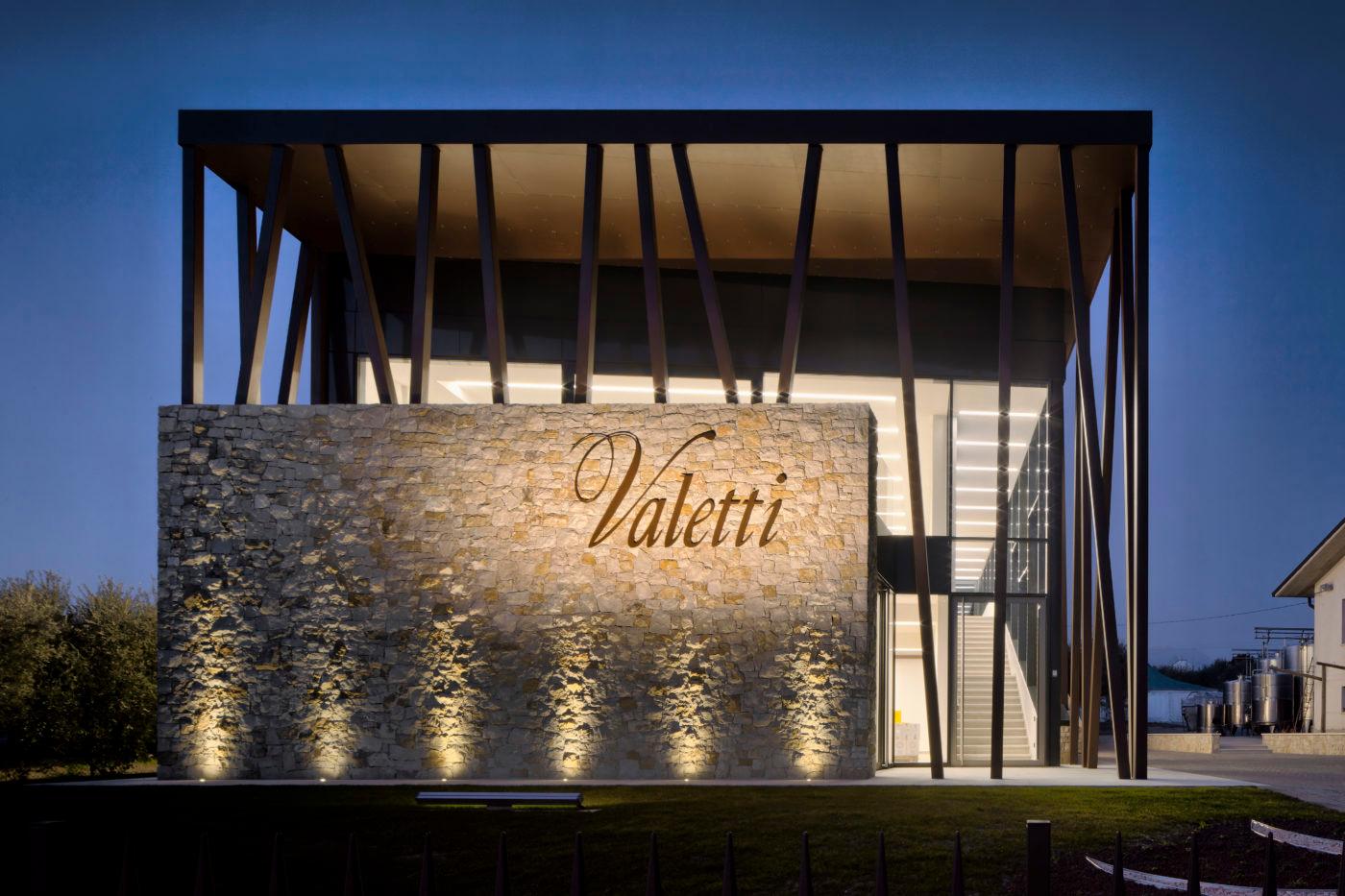
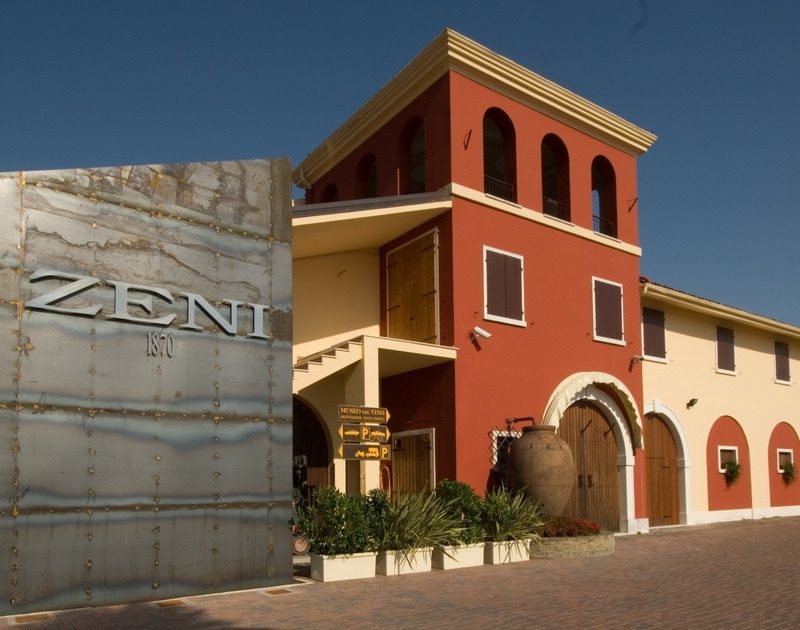
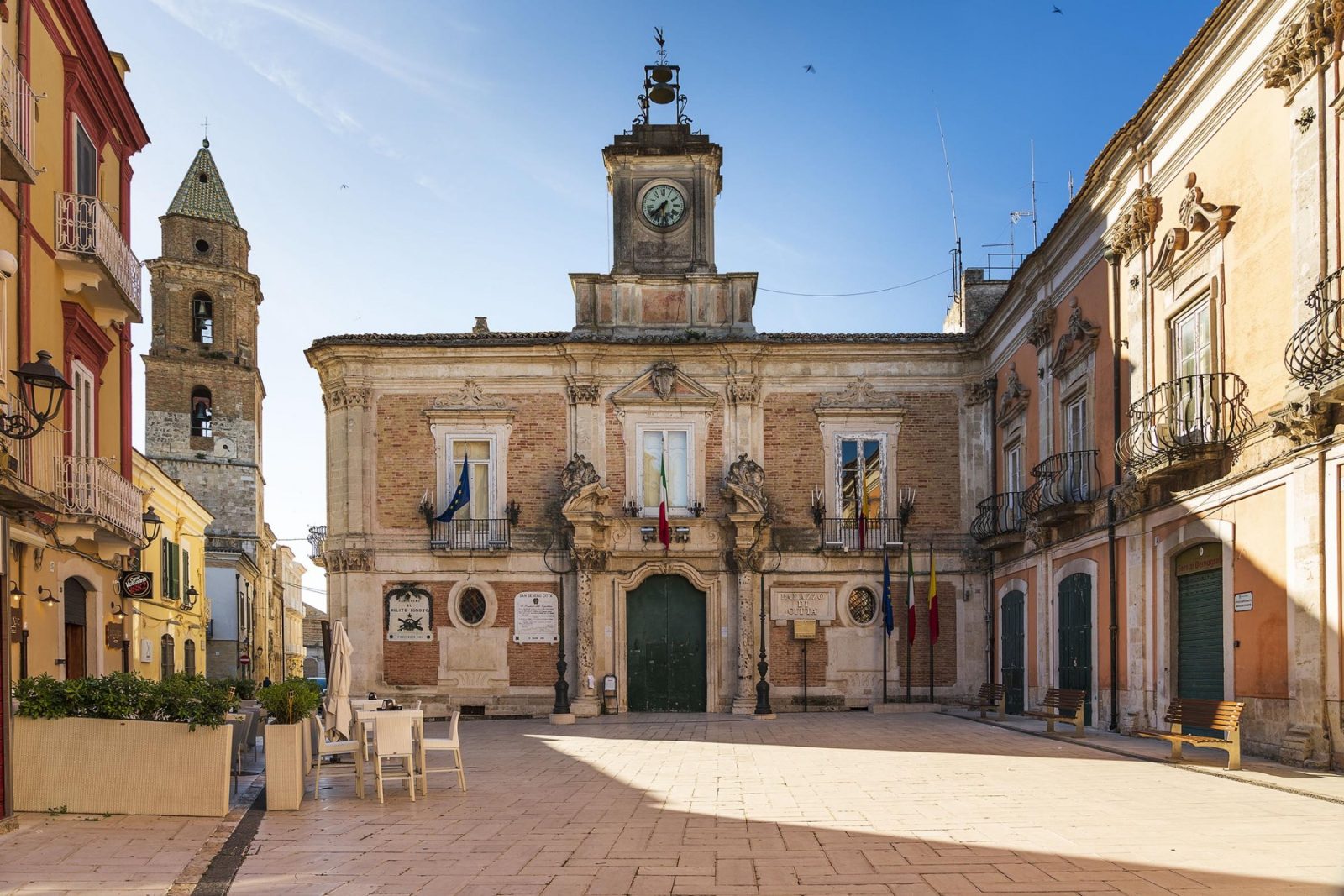
Stand across the street to capture the signage and historic architecture of the building, which provides a welcoming start to your bardolino wine tasting experience.
Position your camera low to emphasize the scale of the antique wooden machinery located in the exhibit hall.
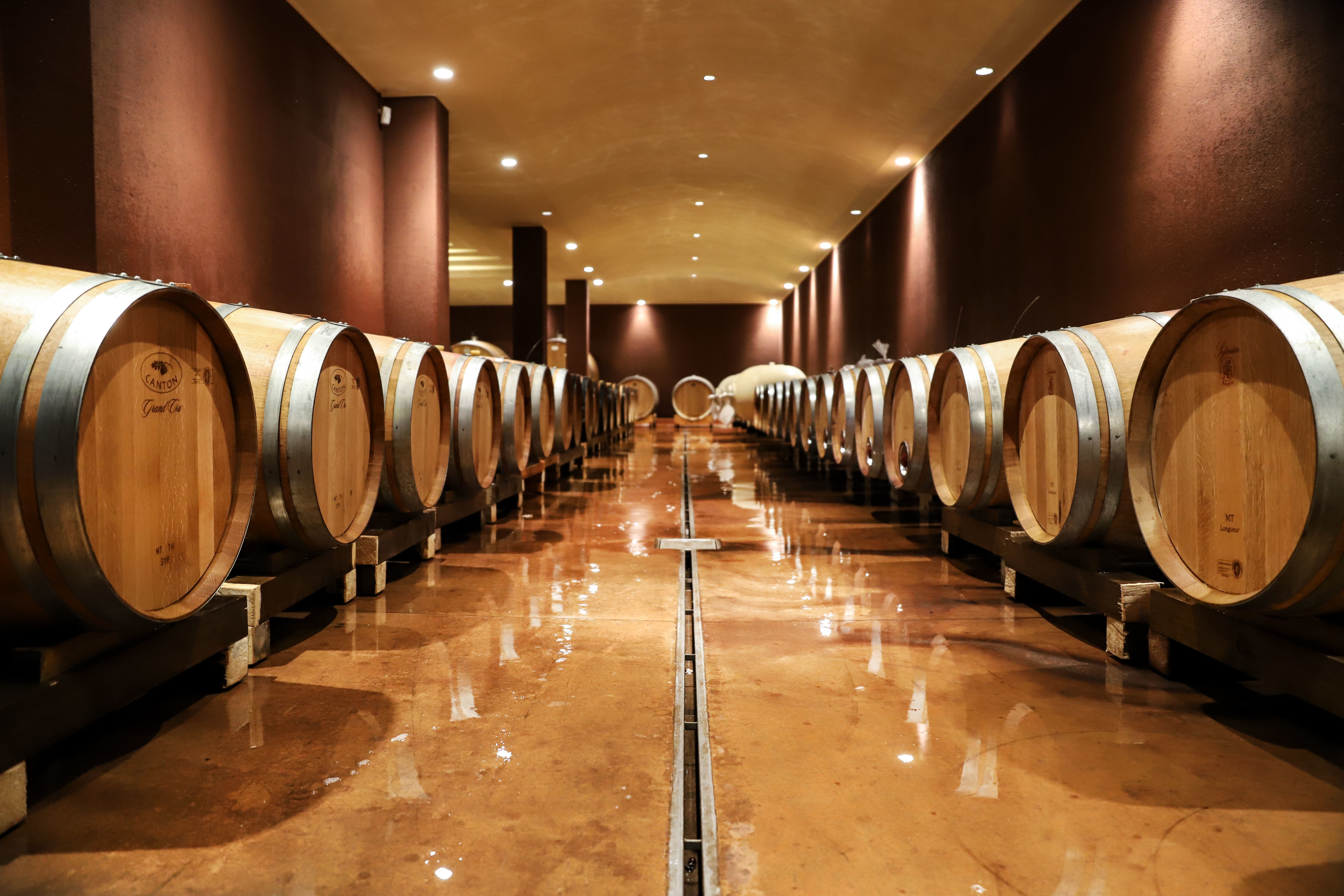
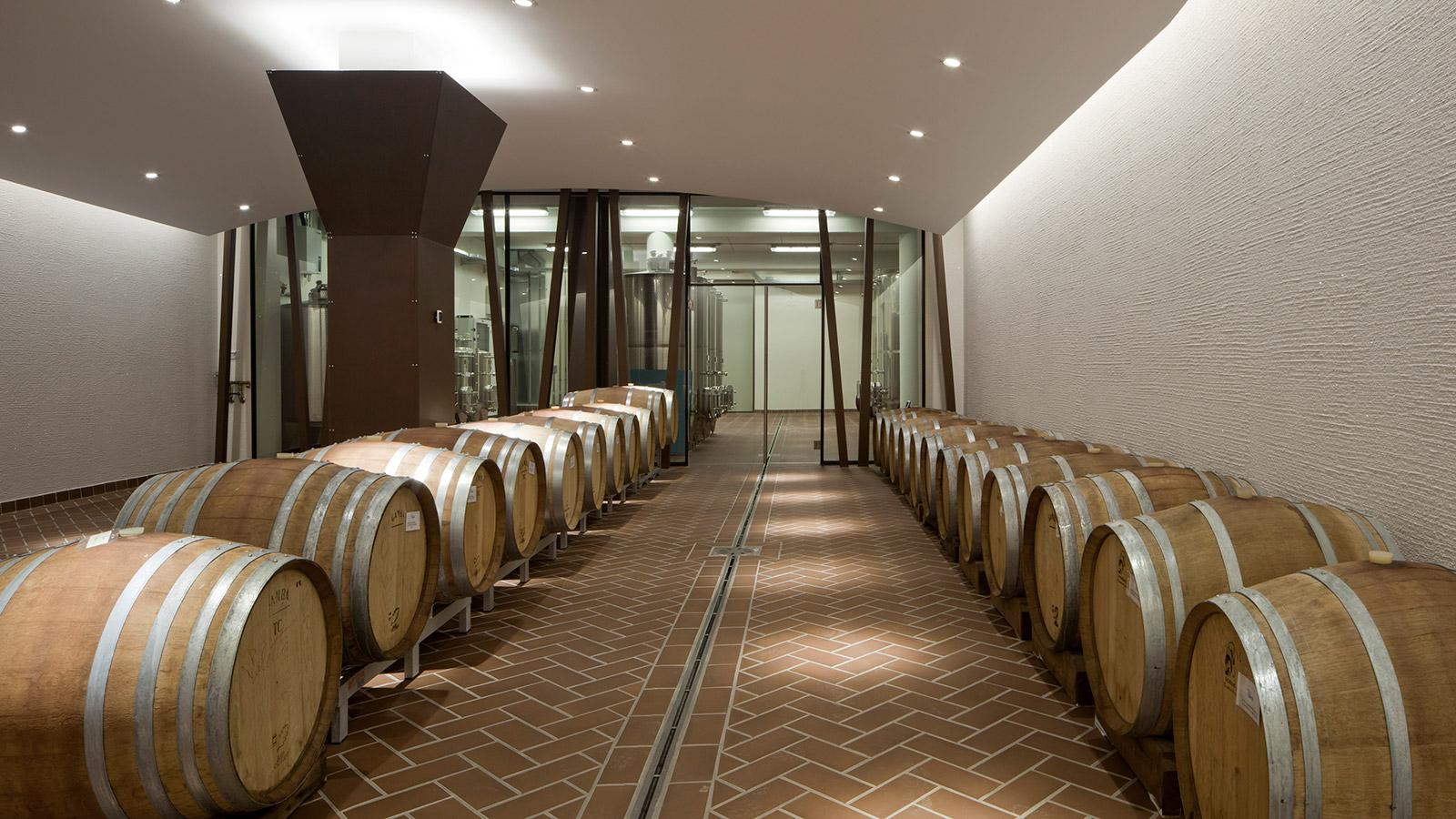
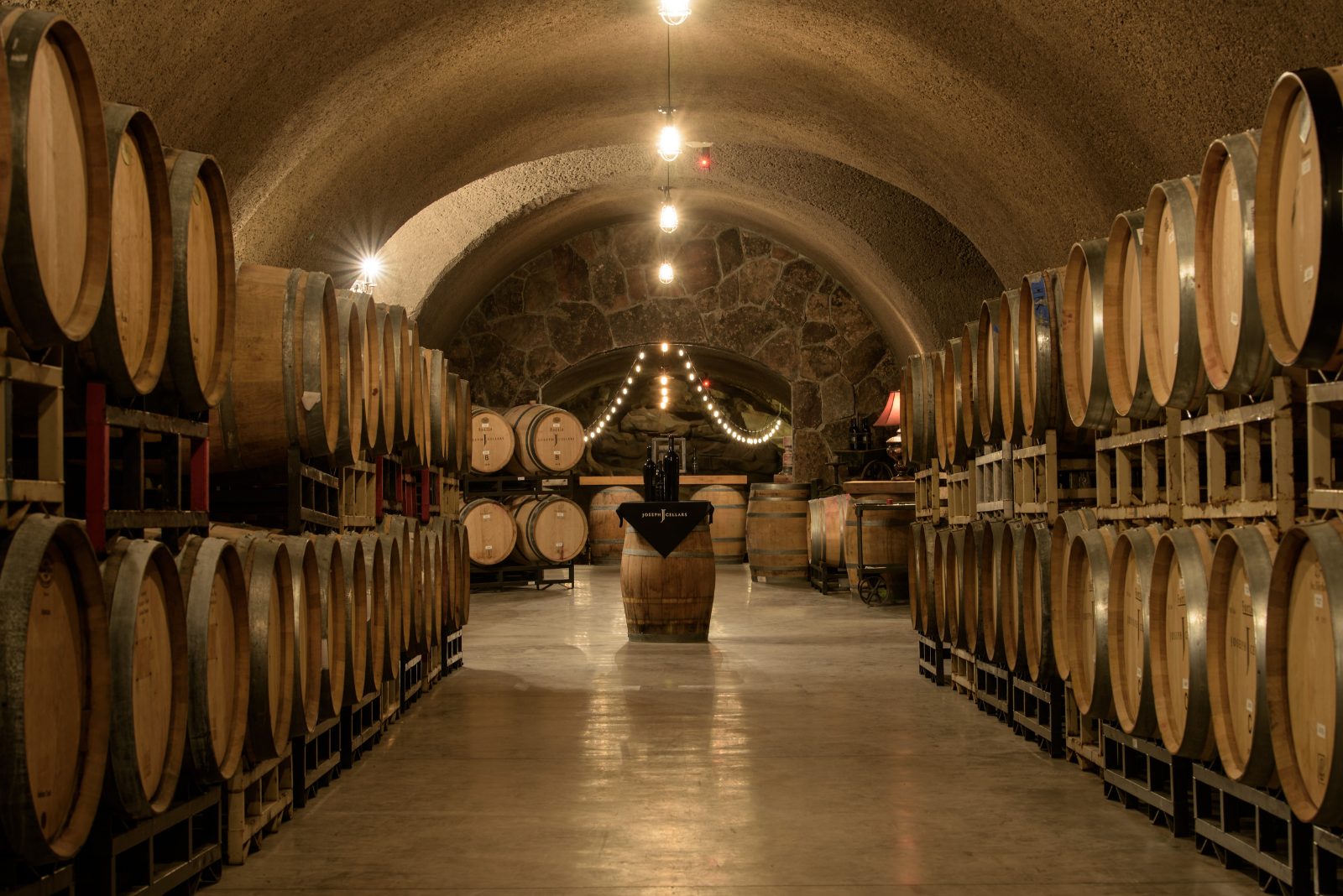
Use a wide-angle lens to photograph the symmetry of the oak barrels stacked in long, dim rows during your bardolino wine tasting tour.
Capture the intricate metalwork of historic viticulture implements set against the rustic stone walls, ideal for those seeking bardolino wine tasting tickets to document regional craft.
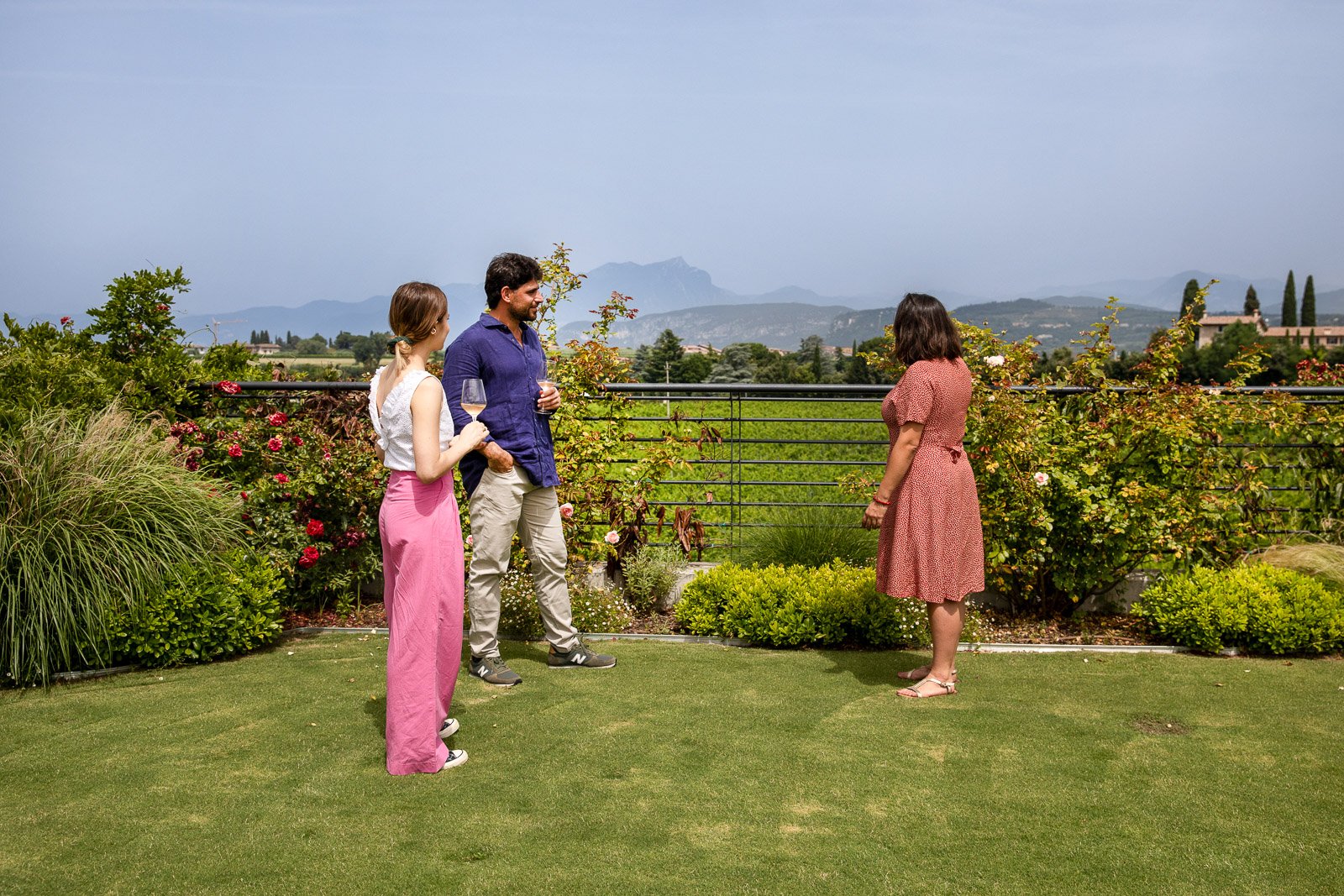
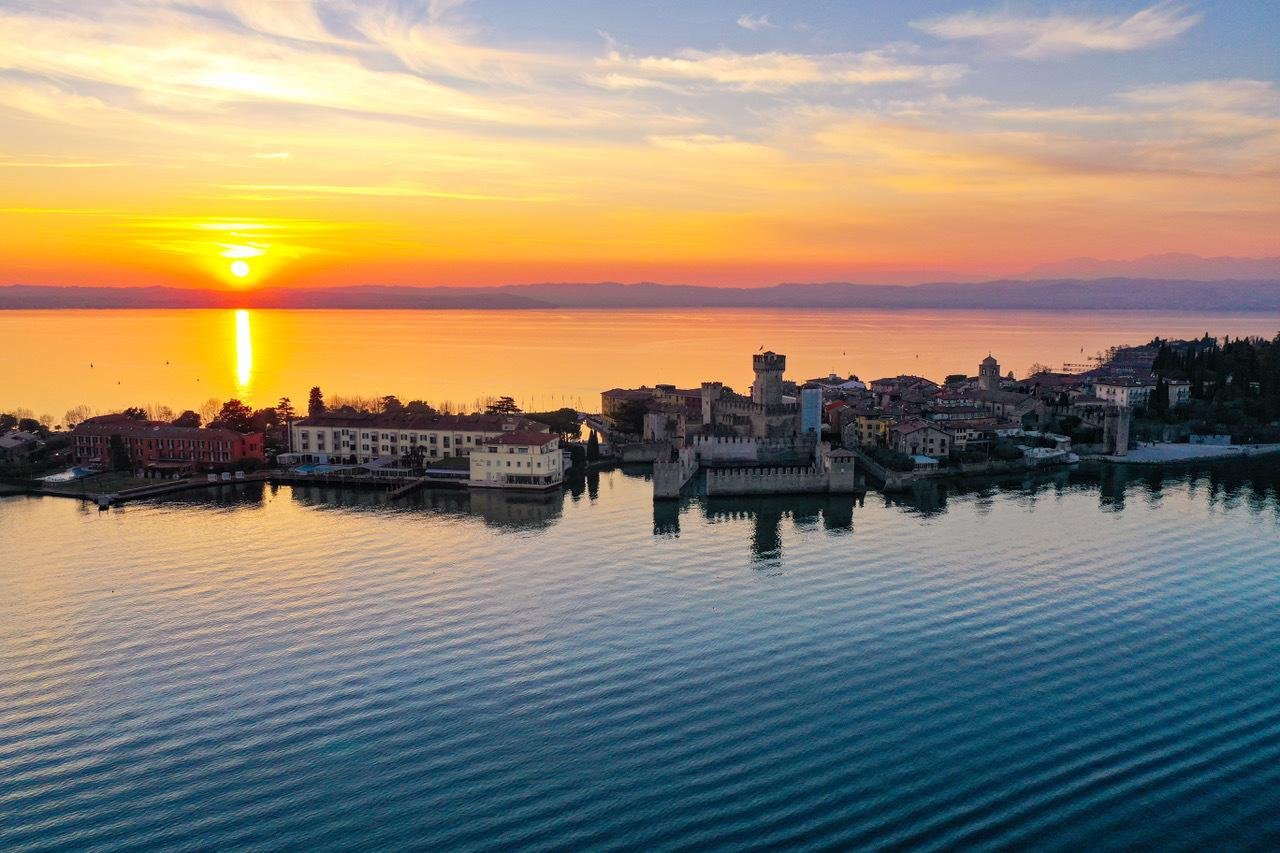
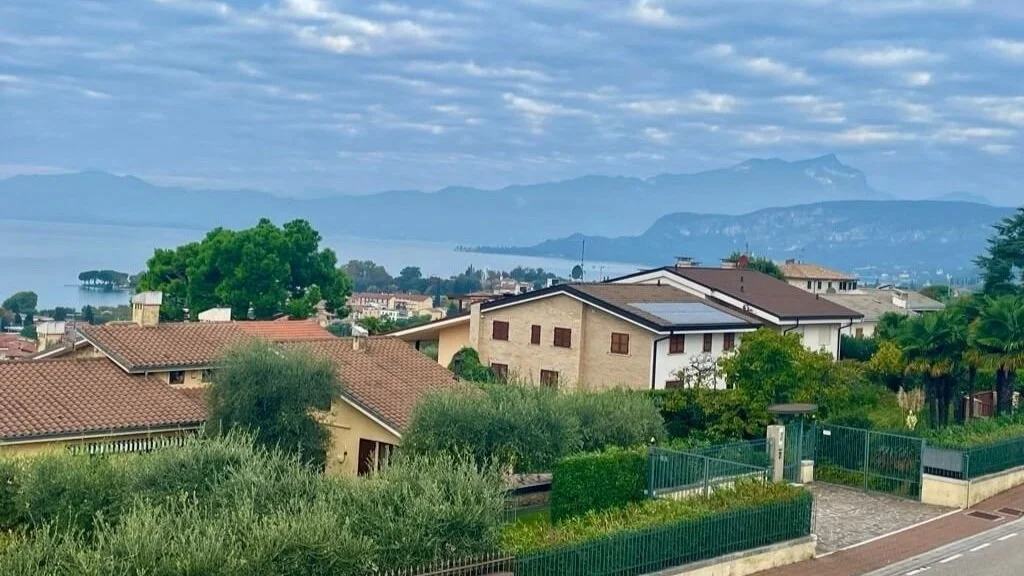
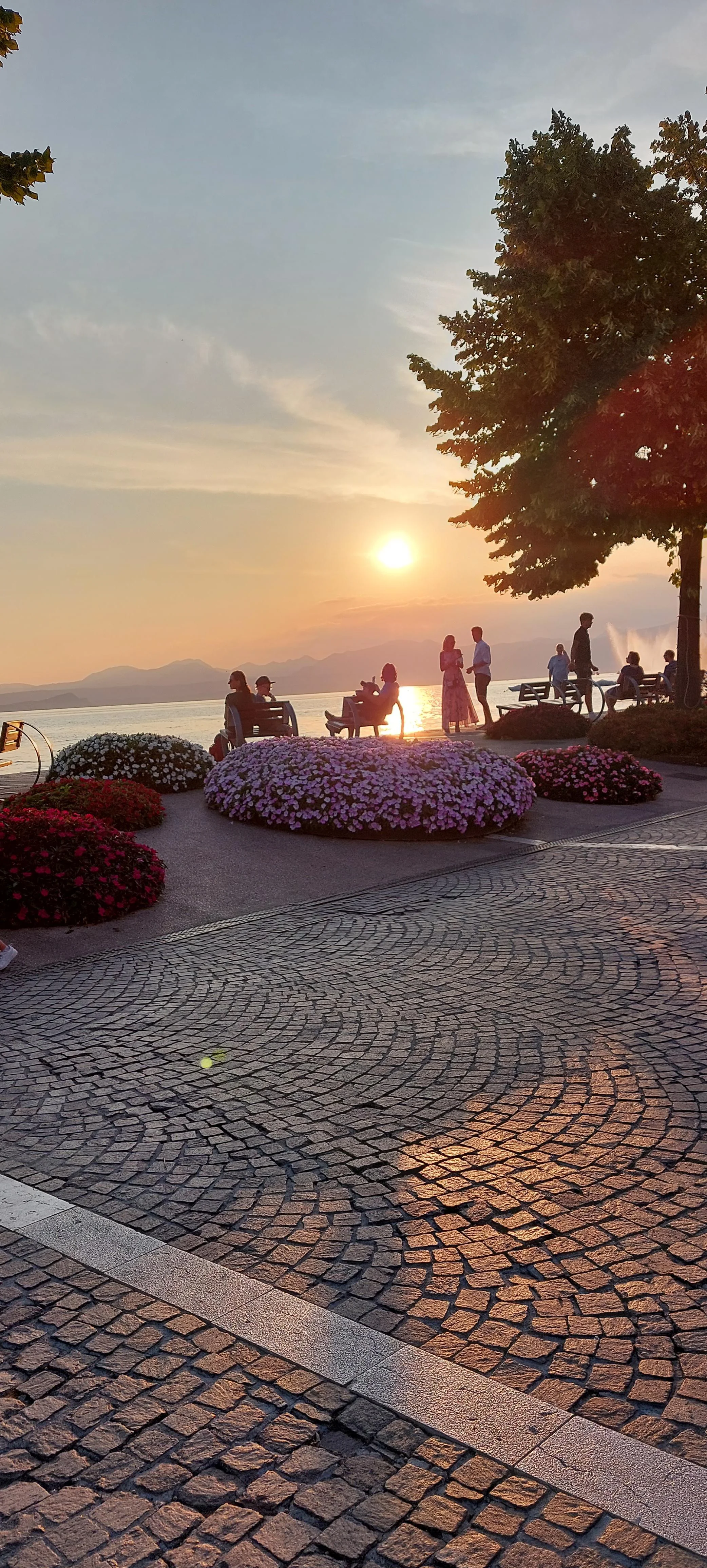
Frame the view from the outdoor area looking toward the surrounding landscape to highlight the geography behind your bardolino wine tasting tours.
Planning a bardolino wine tasting experience with children requires balancing educational curiosity with practical logistics in this historic region. Engaging older children in the process of viticulture offers a unique cultural perspective on the local heritage.
The venue is accessible, though navigating historic buildings can be tight; keeping a lightweight stroller is advisable for moving between the exhibits and the yard. This makes participating in bardolino wine tasting tours manageable for parents with infants
The museum environment is most engaging for children aged ten and older who can appreciate the historical machinery and agricultural tools on display. Younger children may find the focus on viticulture less stimulating, so plan your bardolino wine tasting tour accordingly
There are restroom facilities available on-site to accommodate families, and the layout allows for easy access to information regarding the production process. Please check at the desk regarding specific baby-change requirements before beginning your visit
To ensure a smooth experience, aim for the best arrival window of 09:00–11:30 to avoid mid-day crowds and allow ample time for exploration. Booking your bardolino wine tasting tickets ahead of time ensures you have the flexibility to move at a pace that suits your family needs.
After finishing your bardolino wine tasting, the town center offers a variety of traditional eateries perfect for pairing local vintages with regional cuisine. Visitors often enjoy relaxing in the nearby piazzas for an authentic *degustazione* experience.
This cozy spot is ideal for those completing their bardolino wine tasting tours, offering excellent small plates and local appetizers. It gets busy during the dinner rush, so arrive early for a seat on the terrace.
Specializing in lake fish and homemade pasta, this venue provides a refined setting to reflect on your bardolino wine tasting tour. The atmosphere is quiet, making it a great choice for a relaxed afternoon meal.
Perfect for a quick bite after securing your bardolino wine tasting tickets, this shop serves high-quality artisanal gelato. It is a local favorite for a refreshing treat while wandering the scenic lakeside paths.
Located in the heart of town, this casual bar is a practical stop to enjoy a coffee or light snack. It serves as a convenient midpoint for travelers mapping out their next landmarks in the area.
Real experiences from real travelers
Spent an afternoon at a family-run estate where the winemaker walked us through their Chiaretto production. The lakefront setting made the tasting memorable. Each varietal told a story about the microclimate and soil composition around Bardolino.
Visited three estates in one day and learned how Corvina grapes thrive in this specific zone. The cellar tours revealed traditional aging methods still used by local producers. Light rosés paired beautifully with lake views.
The bardolino wine tasting tour exceeded expectations with knowledgeable guides explaining DOC regulations and terroir differences. Sampled seven wines including their reserve Superiore. The estate grounds overlook the water with cypress-lined paths between vines.
Booked a morning session that covered Bardolino Classico basics and pressing techniques. The tasting room had views across rows of Rondinella vines. Would have preferred more time in the cellars but the pours were generous.
Three generations of the same family still manage the property we visited. They opened a 2019 Superiore that showed how well these wines age. The tour included barrel rooms and bottling facilities before the tasting flight on their terrace.
Cycled between four wineries along the lake route and stopped for tastings at each. Local producers focus on fresh, fruit-forward styles perfect for summer. The Chiaretto rosé at the second estate was exceptional with notes of strawberry and lake breeze minerality.
The bardolino wine tasting experience included a walk through organic vineyards where they explained sustainable practices. Tasted six different expressions including a sparkling version. Staff spoke multiple languages and shared pairing suggestions for each wine.
Our guide explained how proximity to Lake Garda moderates temperatures and extends the growing season. The underground cellars maintained perfect humidity for aging. Finished with a vertical tasting of their flagship Bardolino spanning four vintages.
Joined a small group tour that visited estates producing both red and rosé styles. Learned to identify Corvina, Rondinella, and Molinara characteristics in the blends. The final stop offered panoramic views over the lake with cheese and salumi pairings.
Spent three hours at a boutique winery where the owner personally conducted our tasting. The property dates back centuries with original stone walls in the cellar. Each pour came with stories about harvest years and family traditions in Bardolino viticulture.
Everything you need to know for your journey
The museum is open Monday through Saturday from 08:30–12:30 and 14:30–18:30. It is closed on Sundays, so please plan your bardolino wine tasting accordingly.
Entrance is 0 EUR for individual visitors under 10 people, making it accessible for a standard bardolino wine tasting tour.
Yes, children are welcome at the museum, though a bardolino wine tasting tour is best suited for those of legal drinking age.
Large bags are discouraged, and you should keep your personal items with you during your bardolino wine tasting.
The best arrival window is 09:00–11:30 to avoid midday crowds during your bardolino wine tasting visit.
There is no formal dress code, but comfortable walking attire is suggested for your bardolino wine tasting tour.
Outside food is not permitted, but the facility allows visitors to explore the museum before a bardolino wine tasting.
The site is located at Via Costabella, 9; public buses and car parking are available near the town center for your bardolino wine tasting.
You can easily visit the Church of San Severo or the lakefront after your bardolino wine tasting.
A Romanesque landmark featuring medieval frescoes.
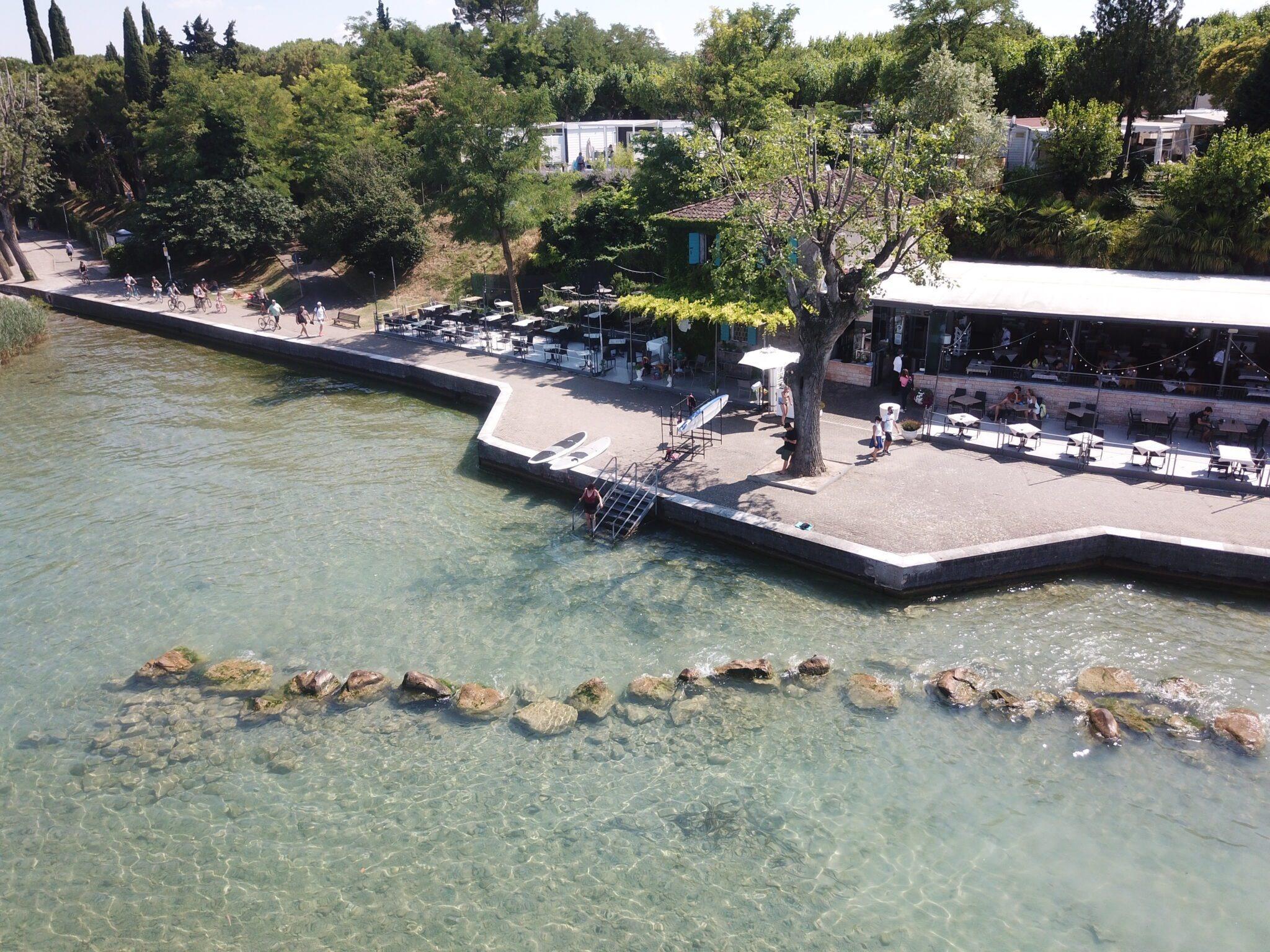
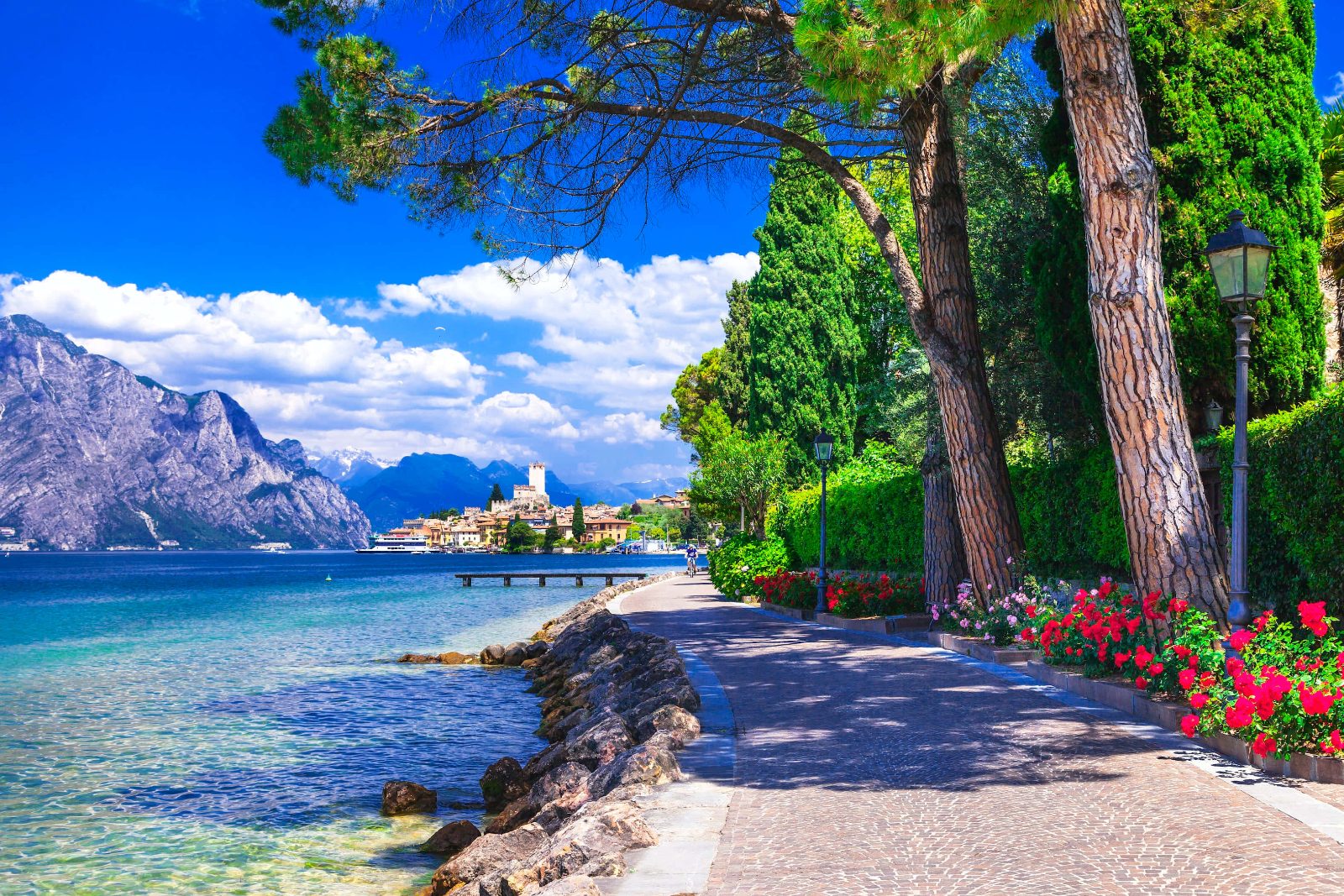
Scenic path offering expansive views of the lake.
A quiet garden space perfect for a post-tasting stroll.
Upscale resort near the lake shore.
Classic lakeside hotel with traditional service.
Various apartments located in the town heart.
Join thousands of happy travelers who have discovered this incredible experience
Book Your Experience Now