
Quick answer
To taste red wine properly, follow five steps: examine the wine's color against a white background to assess age and body; swirl the glass to release aromatics; nose the wine with short sniffs to identify fruit, earth, and oak notes; take a small sip and aerate it across your palate to evaluate tannin, acidity, and structure; then assess the finish—how long flavors persist after swallowing. The entire sequence takes two to three minutes per wine.
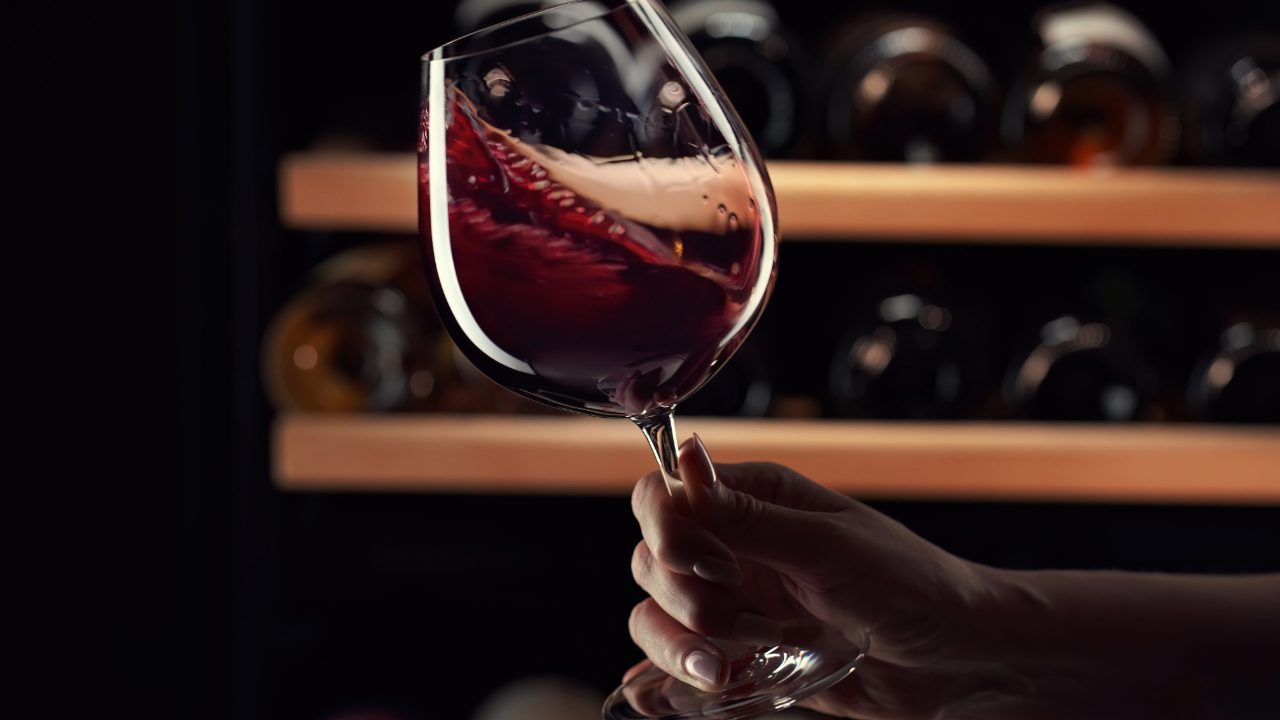
The color of a red wine reveals its age before the first sip. Young reds from Bardolino and the broader Veneto region display vivid ruby or garnet hues, while mature wines shift toward brick or amber at the rim. Tilt your glass against a white surface—a napkin or tablecloth works—and observe the gradient from core to edge. A wide, pale rim suggests lighter-bodied styles like Bardolino Classico; a narrow, opaque edge indicates fuller extraction and tannin. Swirling releases volatile aromatic compounds that define a wine's identity. Hold the glass by the stem to avoid warming the wine, then rotate it gently for five seconds. Bring your nose to the rim and inhale in short pulses rather than one deep breath—this prevents olfactory fatigue and lets you isolate individual notes. Red fruit (cherry, raspberry) dominates in younger Corvina-based wines; darker fruit (plum, blackberry) and earthy undertones emerge as wines mature. Oak aging adds vanilla, toast, or leather. The palate assessment begins with a small sip held in the mouth for several seconds. Draw a thin stream of air through pursed lips to aerate the wine—this technique, called slurping, intensifies flavor perception and reveals structural elements. Tannin registers as a drying sensation on the gums and tongue; acidity produces salivation and brightness; alcohol contributes warmth in the throat. Note the wine's body (light, medium, or full) and whether flavors align with what you detected on the nose. Discrepancies between aroma and taste often signal imbalance. The finish is the final measure of quality. After swallowing, pay attention to how long flavors persist—a finish lasting fifteen seconds or more indicates complexity and well-integrated components. Short finishes suggest simple or flawed wines. In Bardolino, the best examples maintain bright red fruit and herbal notes through a clean, persistent finish. Practice this method across multiple wines to calibrate your palate and recognize regional signatures. The Museo del Vino in Bardolino offers comparative tastings that make these distinctions tangible.
“A wine's finish—the persistence of flavor after swallowing—separates well-crafted bottles from ordinary ones.”
How To Taste Red Wine Properly at the Bardolino Wine Museum
Professional wine tasting follows a systematic three-stage evaluation—visual, aromatic, and gustatory—that reveals the structure and character of Bardolino red wine. The complete tasting sequence takes 3–5 minutes per wine.
Examine the wine visually
Pour wine into a clear glass against a white background. Bardolino should show a ruby-red color with garnet edges; cloudiness or browning indicates oxidation or poor storage.
Swirl and assess the nose
Gently swirl the glass to release aromas, then inhale deeply. Bardolino typically presents red cherry, wild strawberry, and subtle almond notes; a vinegar or cardboard smell signals faults.
Take a small sip, aerate
Draw a small amount into your mouth and aspirate air through pursed lips to spread the wine across your palate. This technique amplifies flavor perception and reveals Bardolino's light tannins and bright acidity.
Evaluate the finish
Swallow and note how long the flavors persist. Quality Bardolino leaves a clean, fruit-forward finish lasting 5–10 seconds; bitterness or harshness suggests imbalance.
Compare multiple expressions
Taste Bardolino, Bardolino Superiore, and Bardolino Chiaretto side-by-side to understand how ripeness and vinification alter the same grape varieties. The museum's tasting room provides structured flights for direct comparison.
The Best Time to Practice How To Taste Red Wine Properly
To practice the sensory analysis of Bardolino wine effectively, arriving during the morning window is recommended. A quieter environment allows for the concentration required to identify subtle aromatic profiles and flavor nuances.
Weekday mornings
Minimal—
These hours offer the most composed atmosphere for analytical tasting. Visit during this time to engage with the wine without the distraction of larger groups.
Spring (April–May)
ModerateMild temperatures (15–22°C)
Vineyards are active and the climate is comfortable for touring. These months avoid the intense heat of peak summer.
Autumn (September–October)
ModerateCooler evenings (12–20°C)
The harvest season provides a context for the production cycle. Weather is generally stable and conducive to indoor tasting sessions.
Verdict: The best time to practice red wine tasting is Tuesday to Thursday during the morning arrival window, ideally in April or October.
Opening Hours for How To Taste Red Wine Properly
The museum and tasting facilities follow a consistent weekly schedule, providing opportunities for visitors to explore Bardolino wine throughout the week.
| Monday | 09:00–12:30, 14:30–19:00 | |
|---|---|---|
| Tuesday | 09:00–12:30, 14:30–19:00 | |
| Wednesday | 09:00–12:30, 14:30–19:00 | |
| Thursday | 09:00–12:30, 14:30–19:00 | |
| Friday | 09:00–12:30, 14:30–19:00 | |
| Saturday | 09:00–12:30, 14:30–19:00 | |
| Sunday | 09:00–13:00 |
Getting to the Venue to Learn How To Taste Red Wine Properly
The venue is located at Via Costabella, 9, 37011 Bardolino VR, Italy. It is most easily reached by regional bus services connecting the towns along Lake Garda or by private vehicle via the nearby motorway exits.
ATV Line 164 from Verona Porta Nuova to Bardolino Autostazione
A22 Brennero Motorway to Affi exit, then SP9 to Bardolino
From Bardolino town center via Via Costabella
Check availability
Frequently Asked Questions About How to Taste Red Wine Properly
Everything you need to know about how to taste red wine properly