

Quick answer
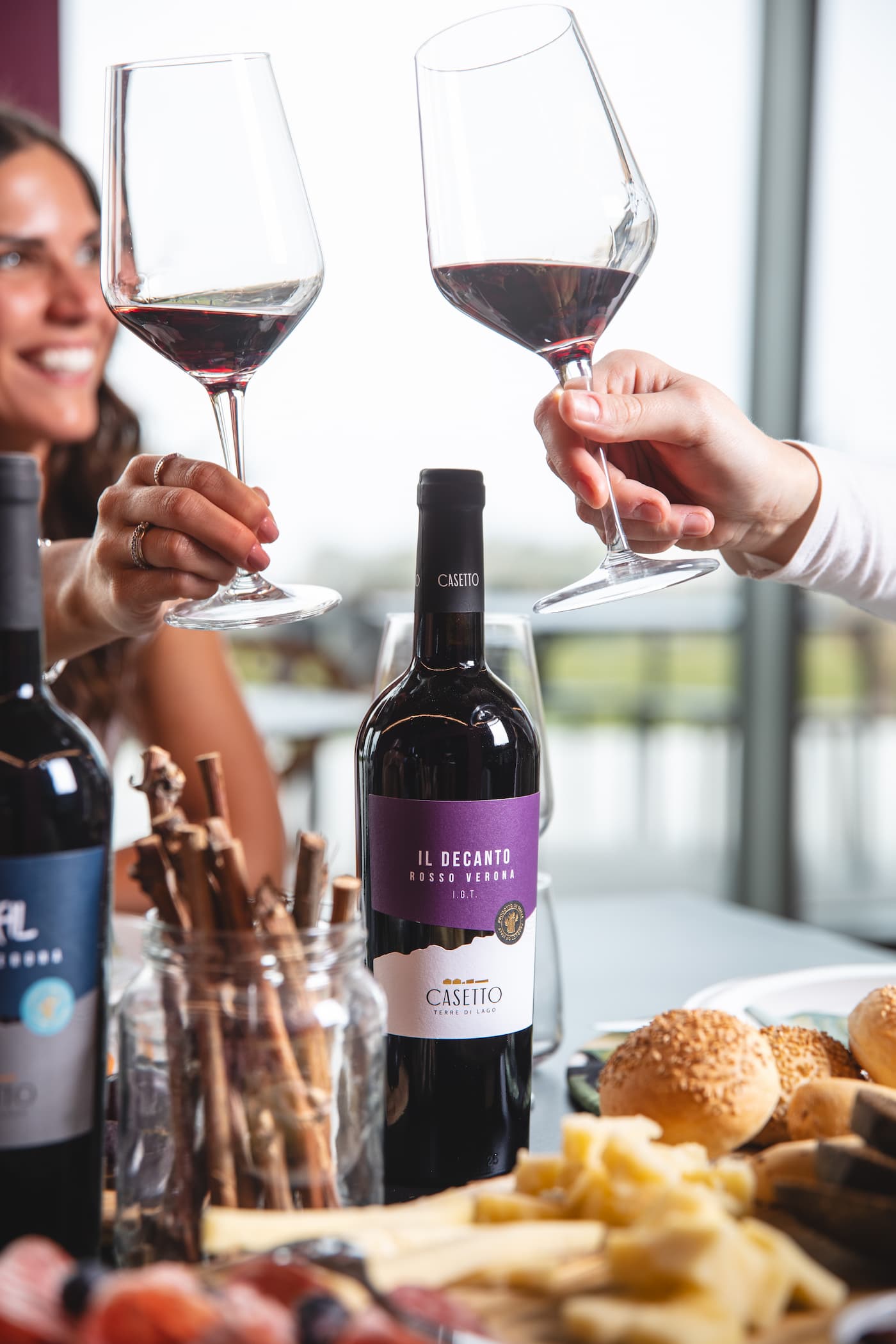
Bardolino wine tasting notes center on bright red cherry, wild strawberry, and almond skin flavors with herbaceous undertones of bay leaf and white pepper. The standard rosso style is light-bodied with soft tannins and refreshing acidity, while Bardolino Superiore offers deeper concentration, darker fruit notes, and structured tannins from extended aging. Chiaretto rosé presents watermelon, citrus zest, and saline minerality. All three styles share a characteristic bitter-almond finish and moderate alcohol around 11-12.5%.
The Corvina grape accounts for up to 95% of Bardolino blends and defines the wine's core character. Unlike the dried-grape Amarone process used in nearby Valpolicella, Bardolino ferments fresh fruit harvested in late September, preserving the bright acidity and delicate aromatics that make these wines approachable young. Tasters often describe the bouquet as a mix of fresh-crushed cherries, violet petals, and Mediterranean herbs—rosemary and thyme growing wild along the lakeshore. Bardolino rosso, the everyday red, shows translucent ruby color and offers immediate drinkability. The palate is smooth rather than grippy, with red fruit dominating and a subtle bitter note reminiscent of cherry pits or raw almonds. This bitterness is not a flaw but a regional signature, balancing the wine's natural softness. Serve it lightly chilled to 14-16°C alongside lake fish, pasta with tomato sauce, or cured meats. The wine rarely improves beyond two years in bottle. Bardolino Superiore represents the appellation's structured expression. Aged at least one year before release, including time in Slavonian oak or stainless steel, Superiore develops darker cherry and plum notes, integrated tannins, and earthy complexity. The alcohol climbs slightly, and the finish lengthens. It pairs with roasted poultry, aged cheeses, and richer pasta dishes. Chiaretto, the rosé style, ferments with minimal skin contact, yielding pale coral wines with crisp minerality, citrus peel, and red berry flavors. Its saline edge mirrors the lake's influence on the microclimate. The Zeni winery's tasting room on Via Costabella offers guided sessions that compare these styles side by side, often including a vertical tasting of Superiore vintages to illustrate how the wine evolves. Visitors learn to identify the almond-skin finish and the herbal lift that distinguish Bardolino from fuller-bodied Veronese reds, understanding why the DOC thrives as a versatile, food-friendly wine rather than a cellar candidate.
“The characteristic bitter-almond finish is not a flaw but a regional signature, balancing Bardolino's natural softness and bright red fruit.”
Optimal Timing for Bardolino Wine Tasting Notes and Visits
For those seeking a quieter museum and tasting experience, the best arrival window is 09:00–12:00. Aligning your visit with this timeframe avoids mid-day crowds and allows for a more focused exploration of Bardolino wine characteristics.
Weekday mornings
Minimal crowds—
Arriving at opening time provides the calmest environment for engaging with tasting notes.
April and May
Moderate crowdsMild, 15°C–22°C
Spring weather offers pleasant conditions for regional exploration before the peak summer heat.
September and October
High, decreasingWarm to mild, 16°C–25°C
The harvest season brings activity to the vineyards and is a significant time for local wine culture.
Verdict: The optimal approach is to arrive between 09:00–12:00 on a Tuesday or Wednesday during the months of April or October.
Opening Hours for Your Bardolino Wine Tasting Notes Research
The museum and tasting area maintain a consistent weekly schedule throughout the year. Visitors are welcome to explore and taste during the following daily hours.
| Monday | 09:00–12:30, 14:30–19:00 | |
|---|---|---|
| Tuesday | 09:00–12:30, 14:30–19:00 | |
| Wednesday | 09:00–12:30, 14:30–19:00 | |
| Thursday | 09:00–12:30, 14:30–19:00 | |
| Friday | 09:00–12:30, 14:30–19:00 | |
| Saturday | 09:00–12:30, 14:30–19:00 | |
| Sunday | 09:00–13:00 |
How to Arrive for Bardolino Wine Tasting Notes
The winery is located at Via Costabella, 9, 37011 Bardolino VR, Italy, situated in the hills overlooking Lake Garda. Visitors typically access the site by car or local regional bus services.
Follow the A22 motorway to the Affi exit and proceed toward Bardolino
Take the ATV Line 164 or 163 to the Bardolino bus station
Direct transfer from Peschiera del Garda railway station
Key Features of the Site for Bardolino Wine Tasting Notes
The facility at Via Costabella serves as an educational space focused on the viticulture and enology of the Bardolino region. Visitors can explore the wine museum and production areas to gain context before evaluating the local varietals.
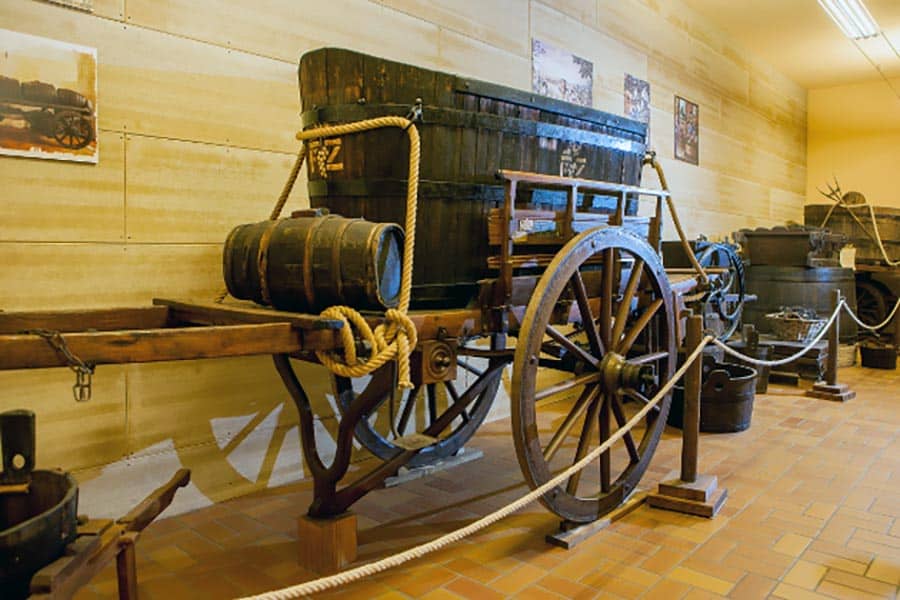
Wine Museum
This collection features traditional tools and equipment used in historical winemaking processes in the Lake Garda area.
Observe the antique presses to understand regional production methods.
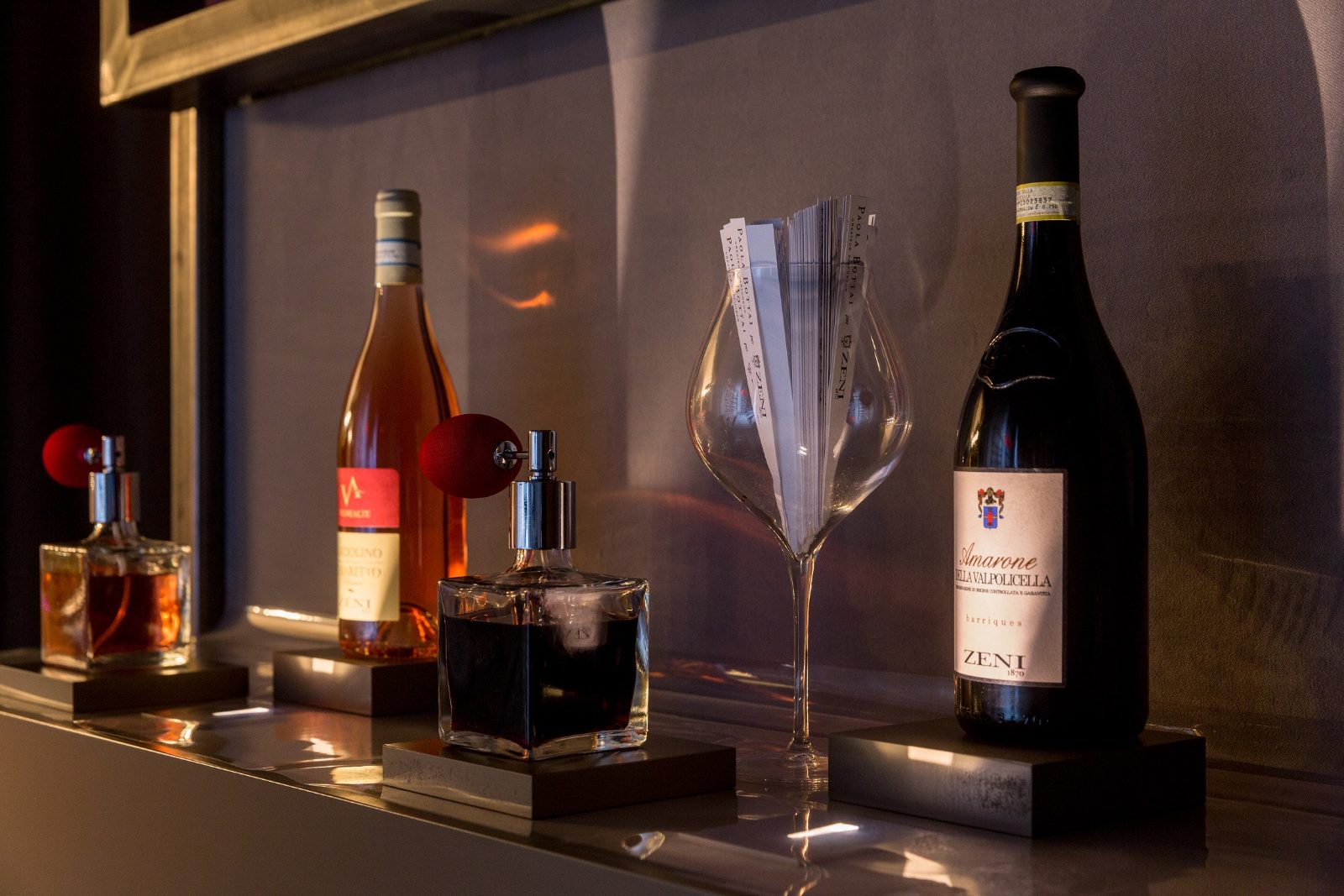
Olfactory Room
This specialized area allows visitors to identify and train their senses on specific aromas found in Bardolino wines.
Focus on the scent canisters to isolate individual grape characteristics.
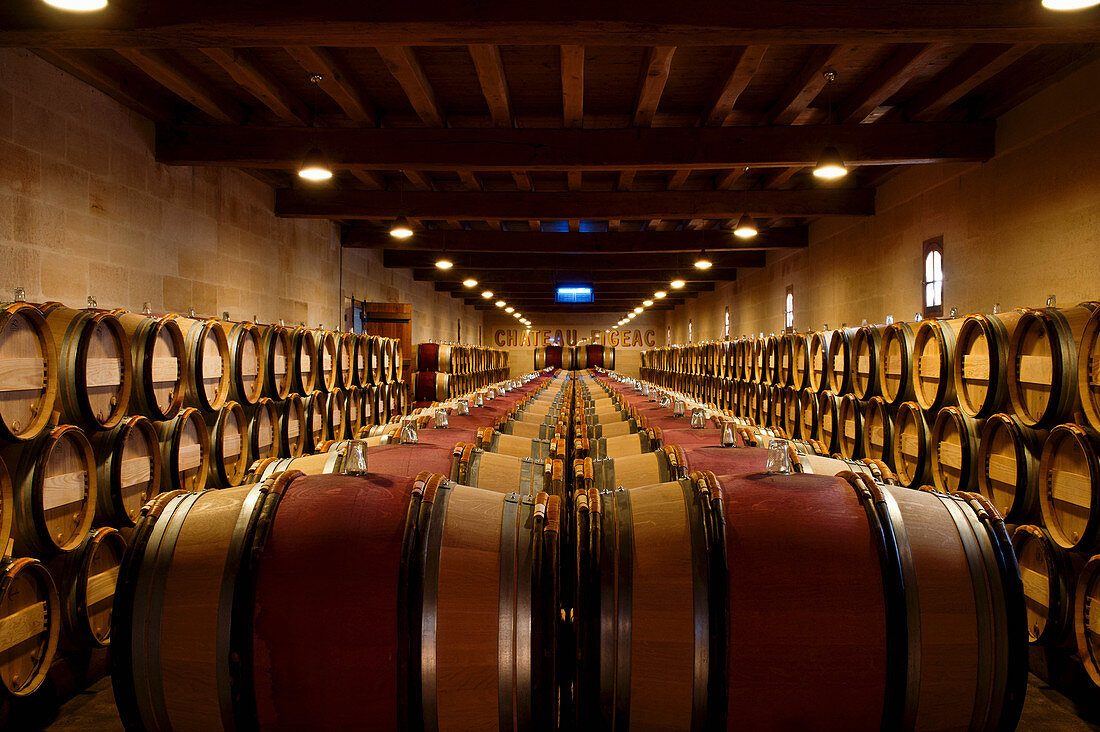
Barrique Cellar
The cellar houses rows of wooden barrels where aging and maturation processes occur for specific red wine selections.
Look for the ambient lighting changes that indicate the aging status.
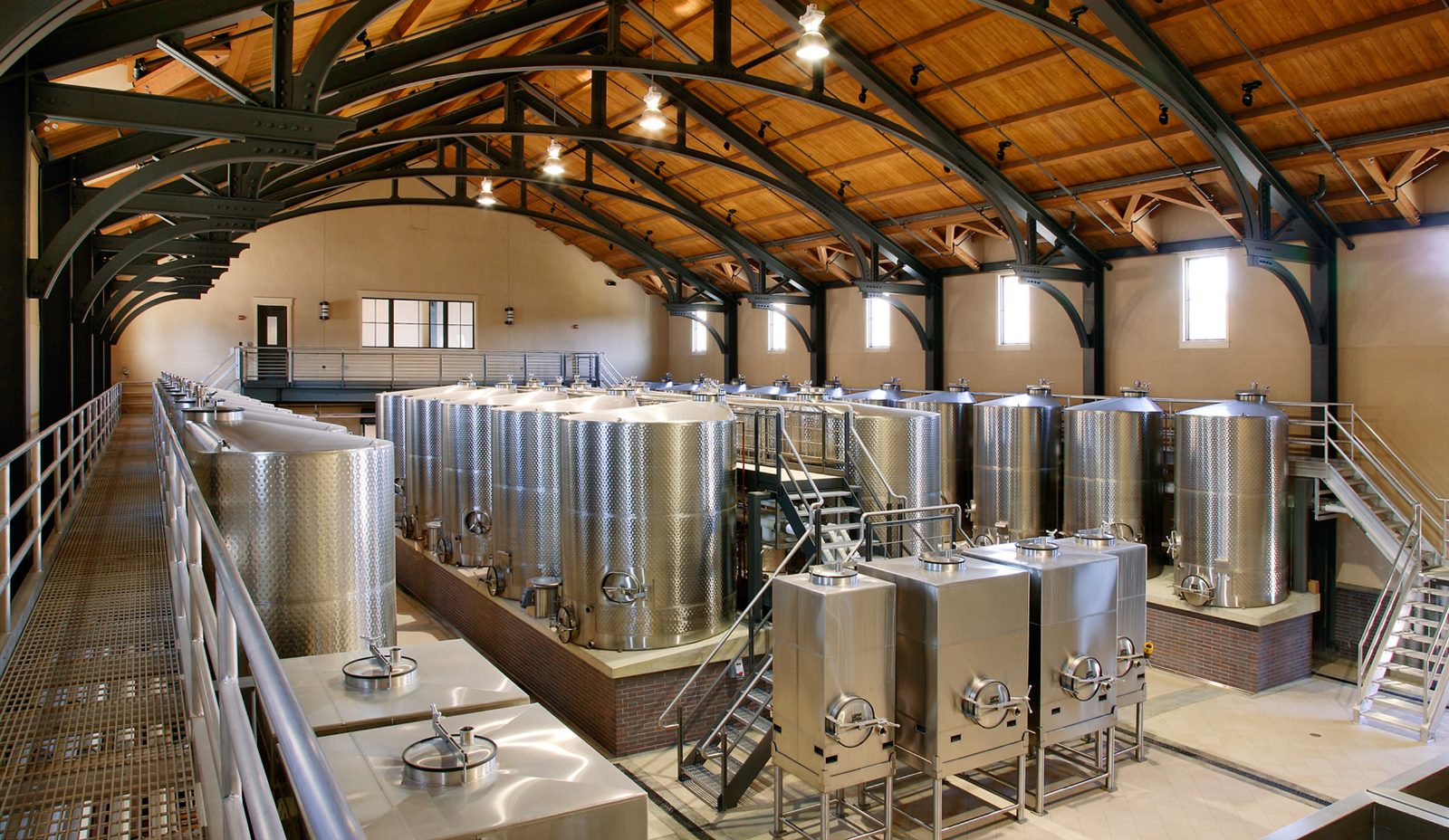
Production Area
This section provides a view into the modern technical operations where grapes are processed and fermented.
Peer through the glass partitions to see the stainless steel tanks.
Check availability
Frequently asked questions about bardolino wine tasting notes
Everything you need to know about bardolino wine tasting notes