

Quick answer
Bardolino wine is a light-bodied red from the province of Verona, made primarily from Corvina, Rondinella, and Molinara grapes grown in the hills east of Lake Garda. The wine is known for its bright cherry fruit, low tannins, and refreshing acidity. A rosé variant called Bardolino Chiaretto is produced using the same grapes with shorter skin contact, resulting in a pale pink wine served chilled.
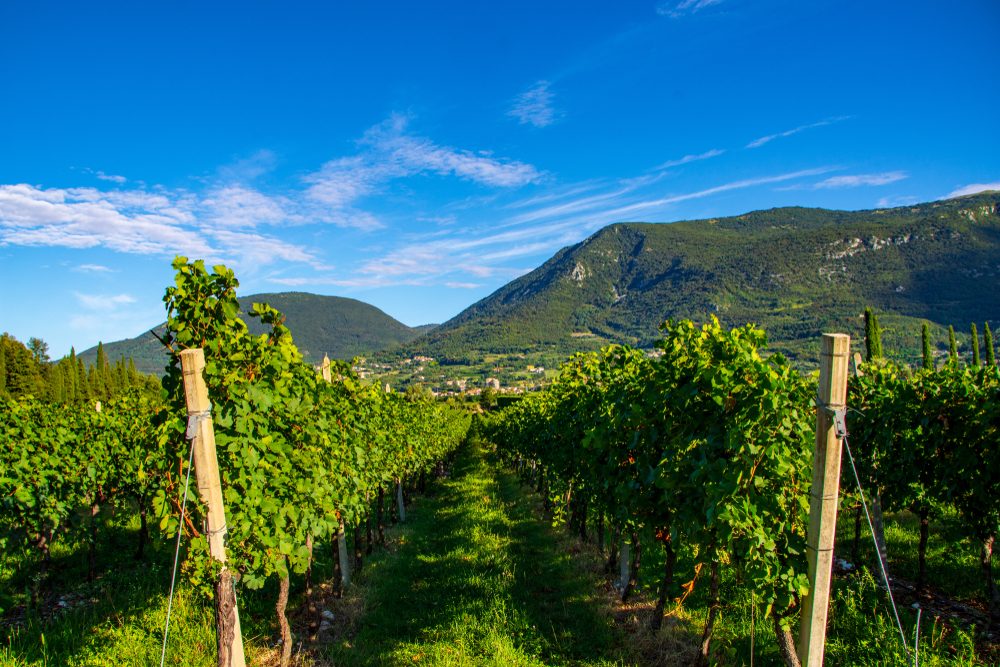
Bardolino takes its name from the lakeside town where the DOC zone begins, stretching across sixteen comuni between Peschiera del Garda and Lazise. The denomination was established in 1968, making it one of Veneto's older protected wine regions. The red wine shares its grape varieties with Valpolicella—Corvina forms the backbone, typically 35 to 80 percent of the blend, with Rondinella and Molinara filling out the structure—but the terroir here is distinct. The glacial soils and the moderating influence of Lake Garda produce wines with less body and concentration than their Valpolicella counterparts, but more immediate drinkability. What is Bardolino wine in terms of style? It occupies the space between a Beaujolais and a young Chianti: bright red fruit, minimal oak aging, and a texture that pairs as easily with lake fish as it does with cured meats. The classic Bardolino is released young, often within a year of harvest, and meant to be consumed without extended cellaring. Bardolino Superiore, introduced as a DOCG designation in 2001, requires longer aging and higher alcohol, but remains a wine defined by freshness rather than power. The Chiaretto variant—a dry rosé—accounts for nearly half the region's production and is especially popular in summer months. The Bardolino wine tasting route runs through the appellation's historic estates, many of which have operated since the Renaissance. Visitors walking the vineyards in autumn see Corvina clusters hanging late into October, the thick skins resisting early rain while the grapes build flavor without excessive sugar. The harvest here is manual in the hillside plots, mechanical in the flatter zones near the lake. What distinguishes Bardolino from neighboring appellations is not a single technique but a philosophy: the wines are not built to age or impress critics. They are built to be opened on a weeknight, poured slightly cool, and finished before the bottle warms. The Wine Museum in Bardolino offers context for understanding the appellation's place in Veronese viticulture, with exhibits tracing winemaking methods from Roman amphorae to modern stainless steel. The museum occupies a restored villa surrounded by Corvina vines, and entry is free for individual visitors. Tasting rooms in the denomination pour current releases alongside older Superiore bottlings, allowing direct comparison of how the wines develop with time in bottle.
“The wines are not built to age or impress critics—they are built to be opened on a weeknight, poured slightly cool, and finished before the bottle warms.”
What Is Bardolino Wine: Defining the Regional Identity
Bardolino is a protected Italian red wine originating from the eastern shores of Lake Garda. It is defined by a specific blend of indigenous grape varieties and adheres to strict production standards.
80% minimum Corvina grapes
Bardolino wine is primarily composed of Corvina Veronese, which must make up at least 35% to 80% of the blend to provide body and structure.
10% to 40% Rondinella composition
The blend also requires between 10% and 40% Rondinella grapes, contributing to the wine's characteristic color and floral notes.
Up to 20% Molinara
Producers may add up to 20% Molinara grapes, a variety known for providing acidity and freshness to the final profile.
DOC classification status
Bardolino earned Denominazione di Origine Controllata (DOC) status in 1968, ensuring geographical authenticity and adherence to traditional winemaking methods.
Lake Garda regional influence
The unique microclimate of the morainic hills surrounding Lake Garda provides the necessary temperature regulation for these specific grapes to ripen properly.
Light body and versatility
Unlike many robust Italian reds, Bardolino is recognized for its light body, high acidity, and red fruit profile, making it a versatile pairing for local cuisine.
Bardolino Superiore DOCG distinction
While standard Bardolino holds DOC status, the higher-tier Bardolino Superiore was granted DOCG classification in 2001, requiring longer aging and stricter alcohol content levels.
Exploring the Wine Museum When Learning What Is Bardolino Wine
The Museo del Vino, established by the Zeni family, provides a comprehensive look at the viticulture and enology that define Bardolino wine. Visitors can explore distinct sections dedicated to the traditional tools and scientific processes involved in regional production.
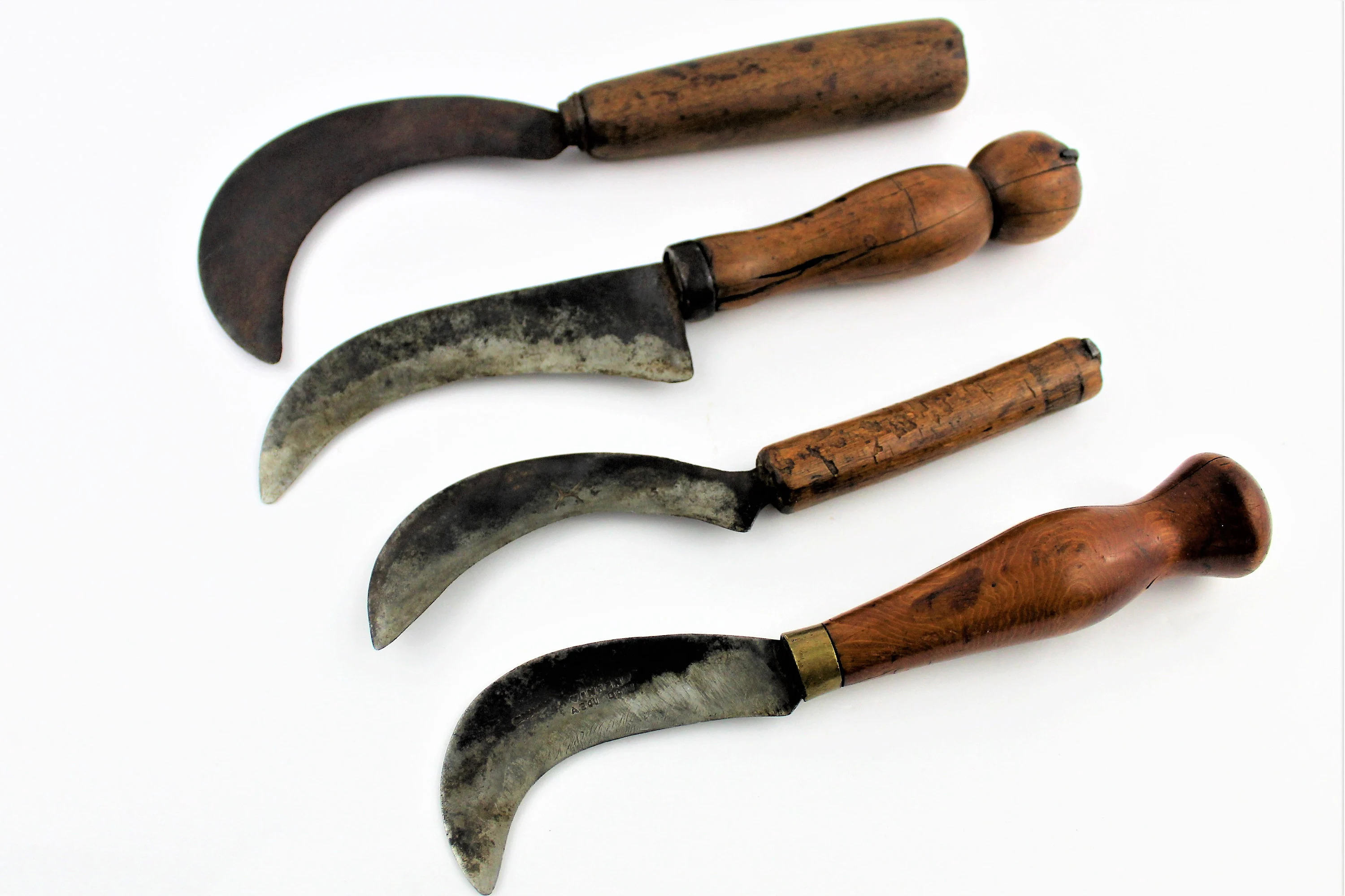
Vineyard Tools Collection
This zone features authentic historical implements used for soil cultivation and grape harvesting throughout the centuries.
Look closely at the iron pruning shears for unique craftsmanship.
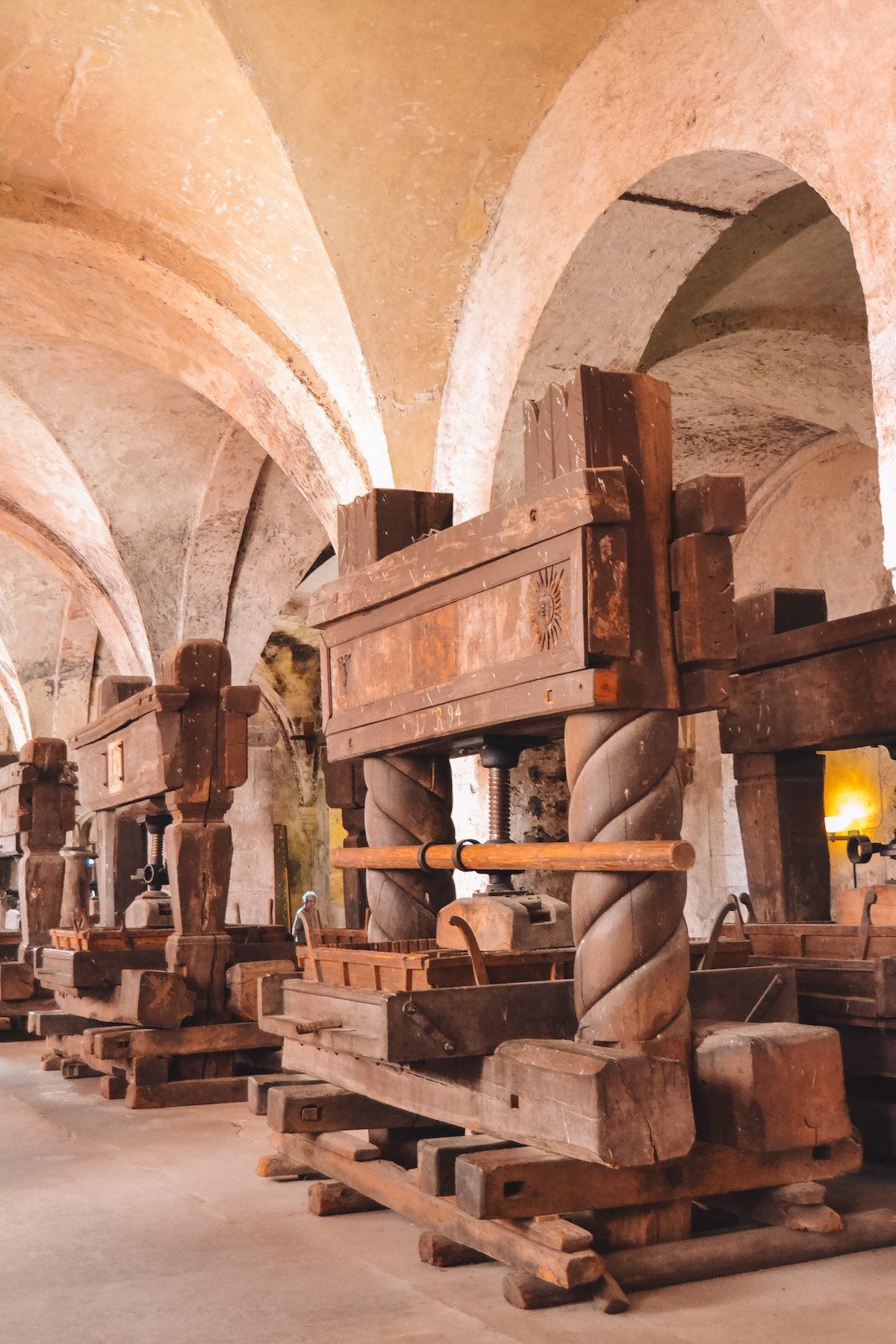
Pressing and Fermentation Room
See the evolution of wine-making technology, including antique wooden presses and large fermentation vessels.
Stand near the central press to view the intricate lever systems.
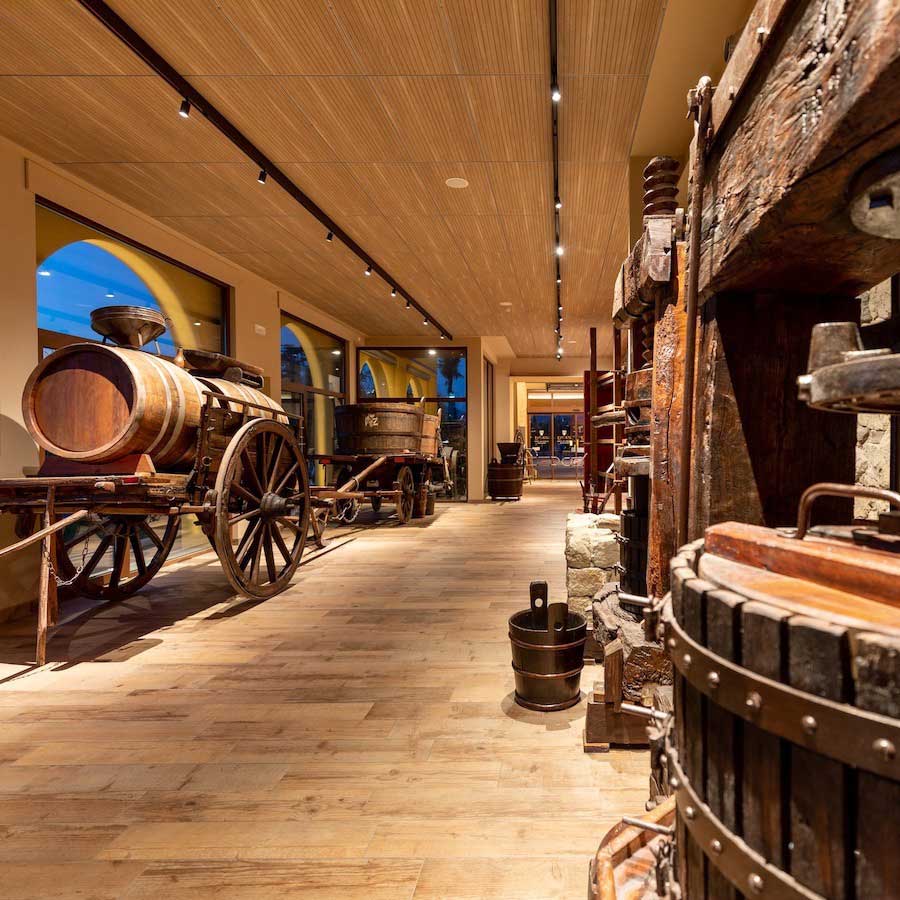
Zeni Family Gallery
This section documents the history of the Zeni winery and their long-standing commitment to local wine production.
Walk the perimeter to view family photographs and early documents.
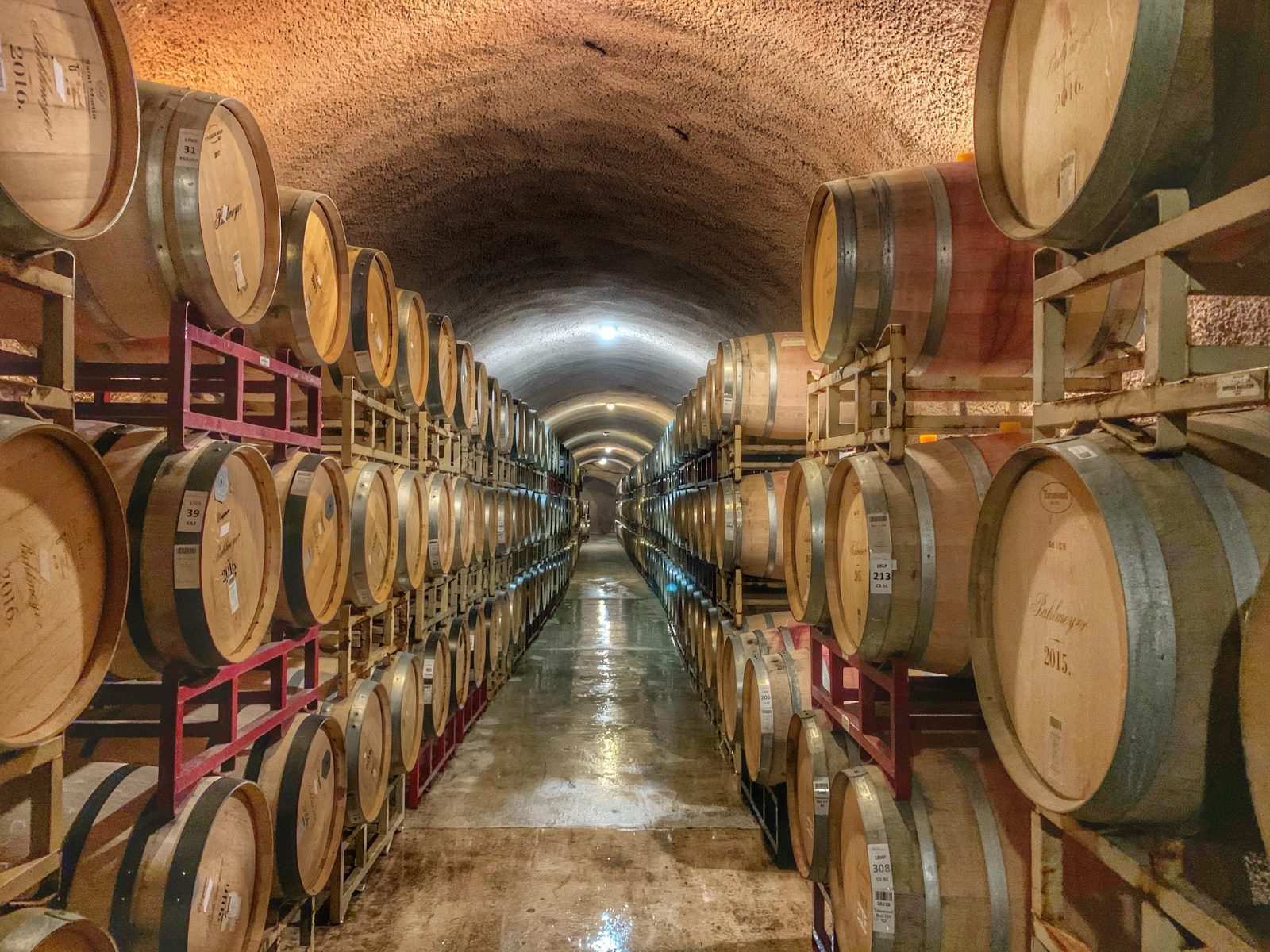
Bottling and Aging Cellar
Observe the transition from traditional aging methods to modern bottling techniques within this educational space.
Check the lower shelves to identify the specific bottle shapes.
Opening Hours for Understanding What Is Bardolino Wine On-Site
The Wine Museum in Bardolino welcomes visitors six days a week. The facility operates on a split-shift schedule from Monday through Saturday.
| Monday | 08:30–12:30, 14:30–18:30 | |
|---|---|---|
| Tuesday | 08:30–12:30, 14:30–18:30 | |
| Wednesday | 08:30–12:30, 14:30–18:30 | |
| Thursday | 08:30–12:30, 14:30–18:30 | |
| Friday | 08:30–12:30, 14:30–18:30 | |
| Saturday | 08:30–12:30, 14:30–18:30 | |
| Sunday | Closed |
Best Time to Visit the Wine Museum to Learn What Is Bardolino Wine
The best arrival window is 09:00–11:30 to avoid mid-day crowds and enjoy the museum before the afternoon peak. Planning your visit for these morning hours ensures a quieter experience while exploring the origins of Bardolino wine.
Spring (April–May)
Moderate crowdsMild, 15°C–22°C; ideal for walking. Enjoy the blooming vineyards before the intense summer heat.
Autumn (September–October)
High during harvestPleasant, 16°C–24°C; harvest season activity. This period offers the most authentic glimpse into the winemaking cycle.
Weekday mornings
Low crowds—; consistent museum access. Arriving early allows for focused study of the local viticulture.
Verdict: For the most peaceful visit, aim for Tuesday to Thursday, arriving at 09:00 during the months of April or October.
Check availability
Frequently Asked Questions About What Is Bardolino Wine
Everything you need to know about what is bardolino wine